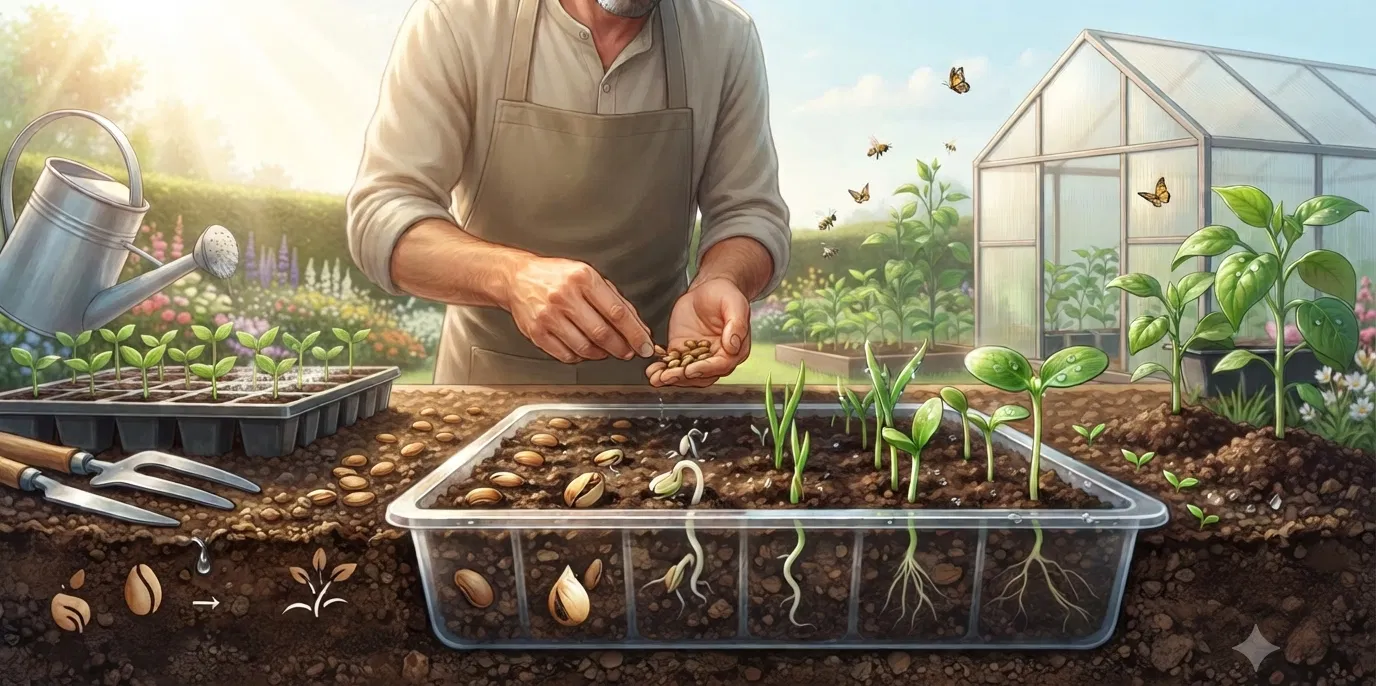
If you’ve ever planted seeds and waited impatiently for sprouts that never came, you’re not alone. Seed germination can feel like a mystery at first, but once you understand the basics, your success rate can improve dramatically. Whether you’re starting vegetables, herbs, or flowers, the right conditions make all the difference between a tray full of life and a tray full of disappointment.
What Is Seed Germination?
Seed germination is the process where a seed begins to grow into a new plant. Inside every viable seed is a tiny embryo waiting for the right combination of moisture, warmth, and oxygen to wake up. Once these conditions are met, the seed absorbs water, swells, and begins to push out a root and shoot.
Understanding seed germination basics helps you avoid common mistakes and gives your seeds the best possible start. Not all seeds germinate at the same speed or under the same conditions, so learning what each variety needs is key to better results.
The 3 Main Conditions Seeds Need to Germinate
Most seeds need three core elements to sprout successfully:
1. Moisture
Water is the trigger that starts germination. When a seed absorbs moisture, it activates enzymes and begins metabolic activity. Too little water, and the seed stays dormant. Too much water, and the seed may rot or develop mold.
2. Warmth
Seeds generally germinate best within a specific temperature range. Some cool-season crops, like lettuce and spinach, prefer lower temperatures, while warm-season crops, like tomatoes and peppers, germinate faster in warmer soil. A seed-starting heat mat can help maintain consistent warmth.
3. Oxygen
Seeds also need oxygen to fuel the energy-producing processes that support growth. Compact soil, overwatering, or poor drainage can reduce oxygen availability and slow or stop germination.
Choose Fresh, High-Quality Seeds
One of the simplest ways to improve your seed germination success rate is to start with good seeds. Old, poorly stored, or damaged seeds often have lower viability. Always check the seed packet for the expiration or “packed for” date, and buy from a trusted supplier whenever possible.
If you’re using saved seeds, store them in a cool, dry, dark place. Proper storage can extend seed life and help maintain a higher germination rate over time.
Use the Right Seed Starting Mix
Regular garden soil is usually too heavy for seed starting. It can hold too much water, restrict airflow, and create a difficult environment for delicate roots. Instead, use a fine-textured, sterile seed starting mix designed for germination.
A good seed starting mix should be:
- Light and airy
- Moisture-retentive but well-draining
- Free from weeds and disease pathogens
- Easy for tiny roots to penetrate
Plant Seeds at the Correct Depth
Seed depth matters more than many beginner gardeners realize. Planting too deep can prevent a seed from reaching the surface, while planting too shallow can dry it out. As a general rule, sow seeds at a depth about two to three times their width, unless the packet instructions say otherwise.
Some seeds, such as lettuce or snapdragons, need light to germinate and should be pressed gently onto the surface rather than buried. Always read the seed packet carefully for specific instructions.
Keep Moisture Consistent
Consistency is the secret to better germination. Seeds should stay evenly moist, not soggy. A dry-out period can stop the germination process, especially for seeds that are just beginning to absorb water.
Here are a few helpful tips:
- Mist the surface gently instead of pouring water heavily
- Cover seed trays with a humidity dome or clear plastic wrap
- Check moisture levels daily
- Use bottom watering when possible to avoid disturbing seeds
Once seedlings emerge, remove any covering to improve airflow and reduce the risk of damping off.
Match Temperature to the Seed Type
Different seeds germinate best at different temperatures. If your room is too cool, germination may be slow or uneven. If it’s too warm, some seeds may fail altogether.
For best results, use the seed packet as your guide. Many vegetable seeds germinate well between 65°F and 75°F, but some need special conditions. A simple thermometer near your trays can help you monitor the environment accurately.
Provide Light at the Right Time
Most seeds do not need light until after they sprout, but once they emerge, they need plenty of it. Seedlings that don’t get enough light become weak, pale, and leggy. Position trays near a bright south-facing window or under grow lights for 12 to 16 hours a day.
If the seed variety requires light to germinate, don’t bury it. Instead, press it lightly into the surface of the mix and maintain good moisture.
Avoid Common Seed Germination Mistakes
Even small errors can lower your germination success rate. The most common problems include:
- Overwatering or underwatering
- Using old seeds with low viability
- Planting seeds too deep
- Letting the soil dry out during germination
- Using dense, heavy soil
- Exposing seeds to extreme temperatures
By avoiding these mistakes, you create a much more reliable environment for seeds to sprout.
Test Germination Before Planting a Full Batch
If you’re unsure about seed quality, do a simple germination test before planting everything. Place a few seeds between damp paper towels inside a sealed plastic bag or container. Keep them warm and check them over several days. If most sprout, the batch is likely still viable.
This quick test can save time, effort, and growing space, especially with older seeds.
Understand That Patience Matters
Not every seed germinates quickly. Some sprout in just a few days, while others may take weeks. It’s important not to give up too soon or overwater in frustration. Patience, combined with the right conditions, is one of the most important tools a gardener has.
Tip: When in doubt, follow the seed packet instructions closely. They usually provide the most accurate guidance for that specific plant variety.
Final Thoughts on Seed Germination Success
Improving your seed germination success rate comes down to a few simple but essential habits: start with quality seeds, use the right soil, maintain steady moisture, provide proper warmth, and follow planting directions carefully. Once you understand these seed germination basics, growing from seed becomes far less stressful and much more rewarding.
If you want healthier seedlings and better harvests, begin with the fundamentals. A strong germination process sets the stage for everything that follows. Start small, observe closely, and give your seeds the conditions they need to thrive.
"