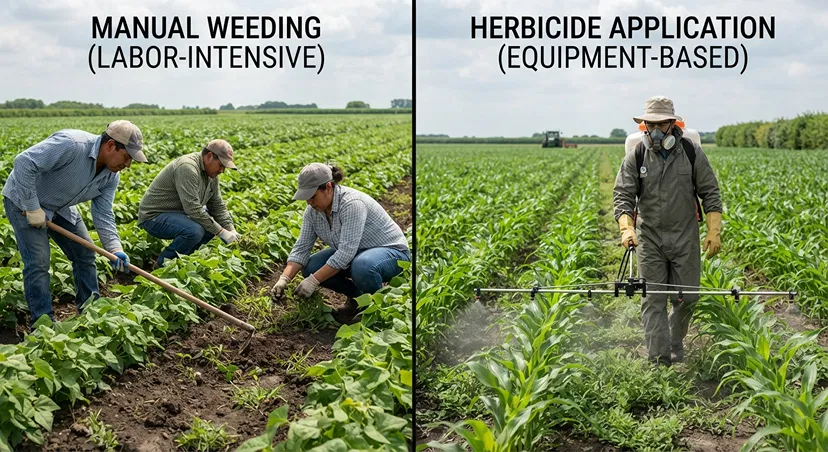
Paraquat is one of the most hazardous herbicides in agricultural use, and safe handling is not optional—it is critical. Even small mistakes can lead to serious health risks, including severe poisoning, lung damage, and death. Whether you work in farming, landscaping, or chemical application, understanding the right safety procedures for paraquat handling can save lives.
What Makes Paraquat So Dangerous?
Paraquat is a fast-acting herbicide used to control weeds and grasses, but it is highly toxic to humans and animals. It can be harmful through ingestion, inhalation, or skin and eye contact. Because there is no antidote for paraquat poisoning, prevention is the only effective protection.
The greatest risk comes from careless mixing, spraying, storage, or cleanup. That is why paraquat safety rules must always be followed exactly as directed on the product label and by workplace safety standards.
Critical Safety Rules for Handling Paraquat
1. Read and Follow the Label Every Time
The product label is the most important safety document for paraquat use. It contains exact instructions for mixing, application, personal protective equipment, emergency response, and disposal.
- Read the full label before each use.
- Follow all hazard warnings and application limits.
- Never assume previous experience replaces current instructions.
- Use only approved equipment and procedures.
2. Wear the Right Personal Protective Equipment
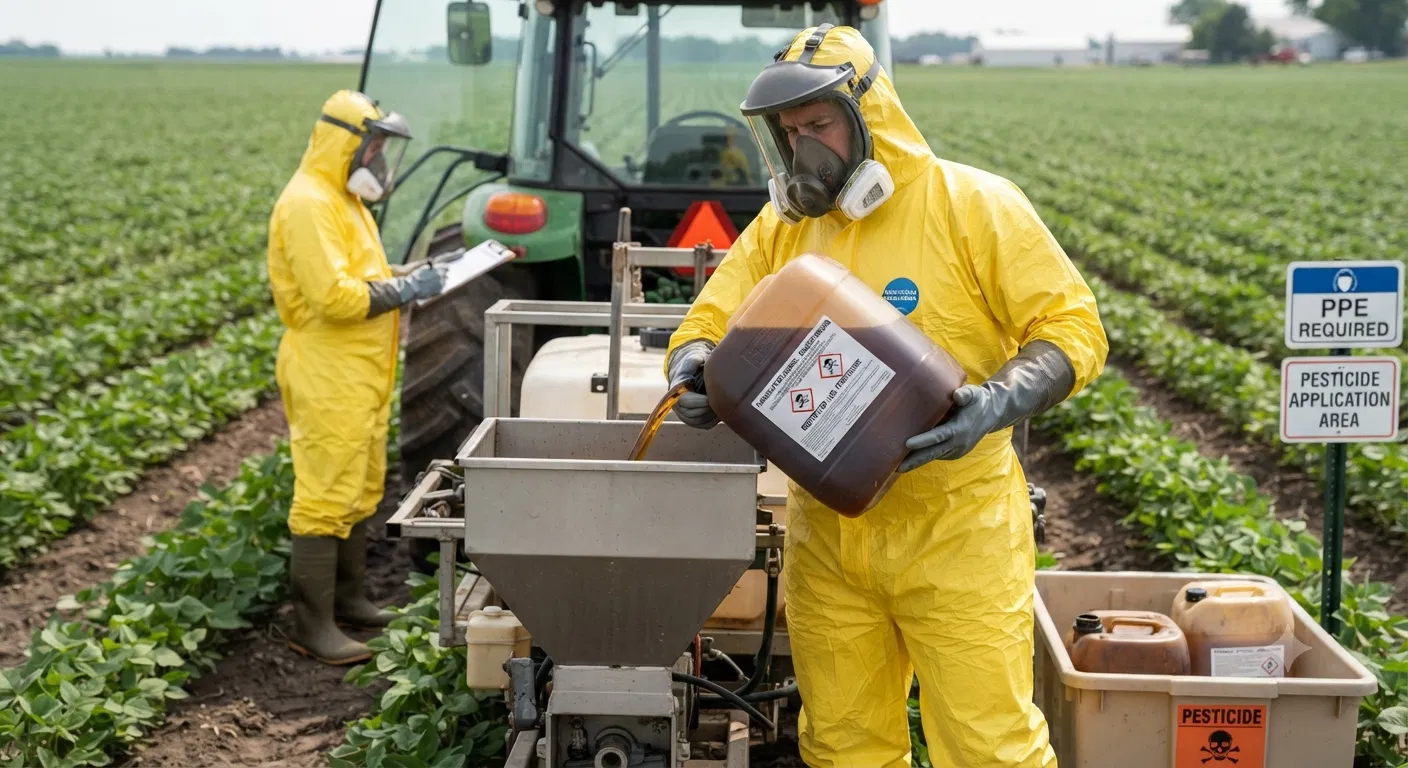
Because paraquat can harm skin, eyes, and lungs, proper PPE is essential. Exposure can happen quickly during mixing, spraying, or equipment cleanup.
- Chemical-resistant gloves
- Long sleeves and long pants
- Protective eyewear or goggles
- Face shield when splashing is possible
- Boots and socks
- Respiratory protection if required by the label
Important: Never wear contaminated clothing again without washing it thoroughly. Remove PPE carefully to avoid skin contact.
3. Never Handle Paraquat Alone
Working with a highly toxic herbicide should never be a one-person operation if it can be avoided. A second trained person can help in an emergency, call for medical assistance, and reduce the chance of mistakes.
If paraquat exposure is suspected, immediate response matters. Every second counts.
4. Mix and Load in a Controlled Area
Mixing and loading are among the highest-risk steps in paraquat handling. These tasks should be done in a well-ventilated area away from children, pets, food, and water sources.
- Use only designated mixing stations.
- Keep containers closed when not in use.
- Measure carefully to avoid spills and over-application.
- Never use food containers, drink bottles, or unmarked vessels.
If a spill occurs, stop work immediately and follow spill response procedures on the label.
5. Prevent Skin, Eye, and Inhalation Exposure
Paraquat can enter the body through multiple routes, so exposure prevention must be constant. Avoid spraying in windy conditions that increase drift. Keep your face away from mixing containers and spray nozzles.
- Do not eat, drink, or smoke while handling paraquat.
- Wash hands thoroughly after use.
- Avoid touching your face or PPE with contaminated gloves.
- Use wind-aware application practices to reduce drift.
6. Store Paraquat Securely
Safe storage is a major part of safe handling. Paraquat must be kept in its original container with the label intact and stored in a locked, clearly marked chemical cabinet or secure area.
- Keep out of reach of children, workers, and unauthorized persons.
- Store away from food, feed, seeds, and medicines.
- Protect from heat, freezing, and direct sunlight if the label requires it.
- Inspect containers regularly for leaks or damage.
7. Keep Paraquat Out of the Wrong Containers
One of the most dangerous mistakes is transferring paraquat into unlabeled or food-like containers. This can cause accidental poisoning and confusion during emergencies.
Always keep paraquat in the original labeled container. If transfer is ever permitted by the label or workplace policy, the new container must be properly labeled immediately.
8. Clean Equipment Safely After Use
Sprayers, measuring tools, and gloves can remain contaminated after application. Cleaning should be done carefully to prevent accidental exposure during rinsing or disposal.
- Use the cleanup method specified on the product label.
- Wear PPE during washing and maintenance.
- Dispose of rinse water according to instructions.
- Do not allow contaminated wash water to enter drains or waterways.
9. Dispose of Waste Properly
Empty containers, leftover product, and cleanup materials must be handled as directed by the label and local regulations. Improper disposal can create environmental contamination and human exposure risks.
- Never reuse empty paraquat containers.
- Follow approved container disposal procedures.
- Do not pour leftover paraquat into soil, storm drains, or water.
- Use licensed hazardous waste disposal if required.
10. Know Emergency Response Steps
In the event of exposure, act immediately. Paraquat poisoning is a medical emergency, and delays can be fatal.
- Move the exposed person away from the source.
- Remove contaminated clothing.
- Rinse skin or eyes with clean water for at least 15 minutes.
- Call emergency services or poison control right away.
- Provide the product label or container information to responders.
Do not wait for symptoms to appear before seeking help. Early treatment is essential.
Training and Supervision Matter
Even the safest product can become dangerous when workers are untrained. Anyone who handles paraquat should receive clear instruction on label interpretation, PPE use, spill response, and first aid procedures. Supervisors should verify that safety rules are understood and followed consistently.
Regular refresher training helps prevent complacency and keeps paraquat safety top of mind, especially during busy spraying seasons.
Common Mistakes to Avoid
Many paraquat incidents happen because of preventable errors. Avoid these common mistakes:
- Skipping PPE because the task seems short or simple
- Using damaged or unlabeled containers
- Mixing product without proper training
- Spraying in unsafe wind conditions
- Failing to wash hands or contaminated clothing
- Ignoring early signs of exposure
Final Thoughts on Safe Paraquat Handling
Safe handling of paraquat depends on discipline, training, and strict attention to detail. This is not a chemical to treat casually. Every step—from storage and mixing to spraying and disposal—must be done with care to prevent exposure and protect everyone nearby.
When it comes to paraquat, the safest approach is always the most careful one. Follow the label, use full protective equipment, and act immediately if exposure occurs. Those rules are not just best practices—they are essential safeguards against a highly dangerous chemical.