Few things are more frustrating for growers than watching healthy plants suddenly decline, yellow, wilt, and collapse. When roots are attacked underground, the damage often goes unnoticed until it is severe. That is why root rot and wilt diseases are among the most destructive soil-borne plant problems in gardens, farms, and landscapes.
The good news is that effective soil-borne disease management is possible. With the right prevention strategies, cultural practices, and treatment methods, you can reduce losses, protect plant health, and break the cycle of infection before it spreads.
What Are Root Rot and Wilt Diseases?
Root rot and wilt are often caused by fungi and oomycetes that live in the soil and infect plant roots. Once inside the plant, these pathogens block water and nutrient movement, weaken the root system, and trigger visible symptoms above ground.
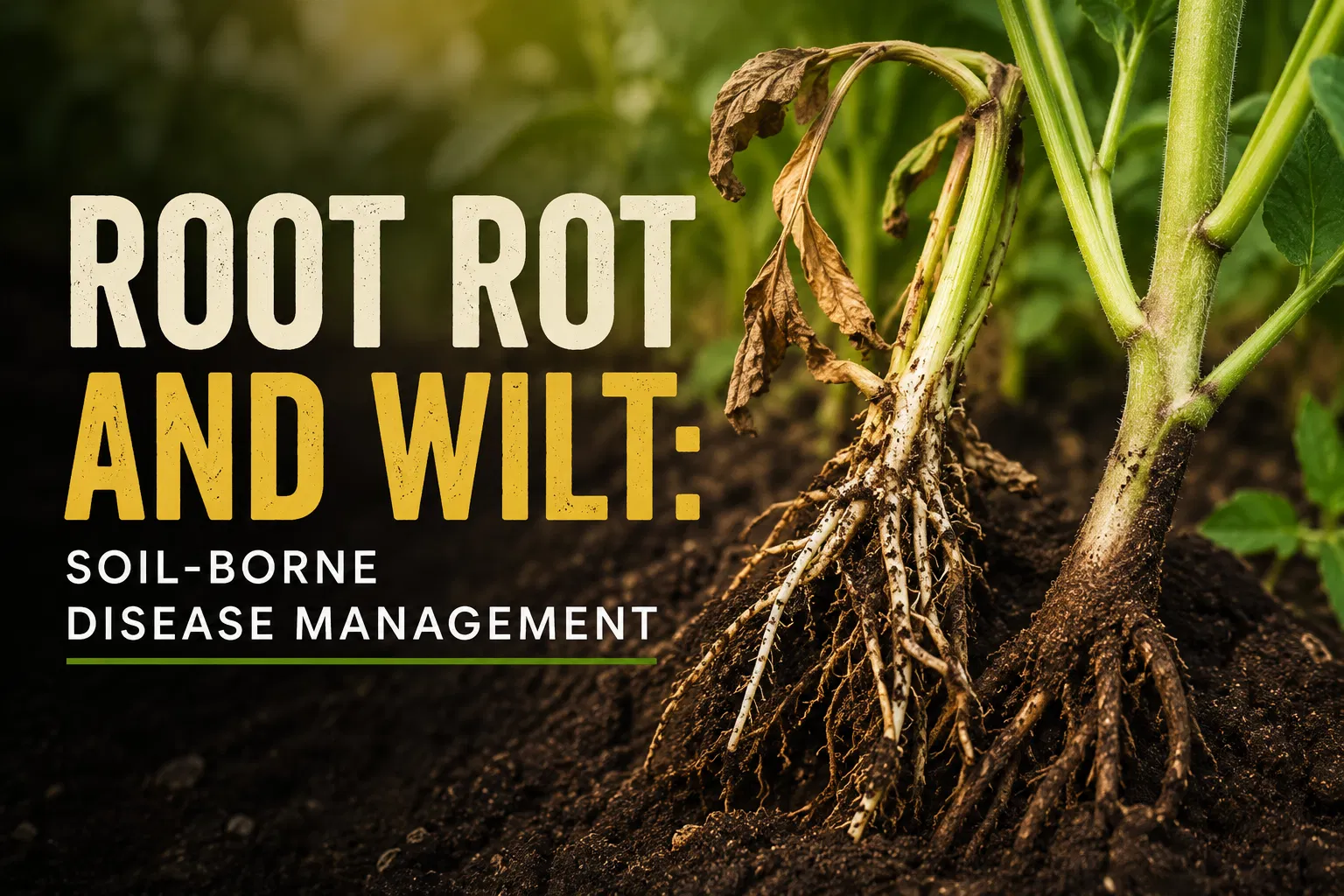
Root rot typically damages roots directly, causing them to turn brown, soft, mushy, or decayed. Wilt occurs when the plant cannot move enough water from the roots to the leaves, leading to drooping, yellowing, and stunted growth.
Common soil-borne pathogens include:
- Fusarium species
- Verticillium species
- Pythium species
- Phytophthora species
- Rhizoctonia species
These pathogens can survive in soil for long periods, making soil-borne disease management a long-term process rather than a one-time fix.
Early Signs of Soil-Borne Disease
Root rot and wilt often begin quietly. By the time leaves look severely damaged, the roots may already be compromised. Early detection is critical.
Common Symptoms to Watch For
- Yellowing leaves, especially lower foliage
- Plants wilting despite adequate watering
- Stunted growth
- Leaf drop or premature aging
- Brown, dark, or mushy roots
- Reduced vigor and poor flowering or fruiting
One important clue is that symptoms may appear in patches rather than across the entire planting area. This pattern often points to a soil-borne disease rather than a watering issue alone.
Tip: If a plant wilts during the day but seems to recover at night, inspect the roots before assuming heat stress or drought is the cause.
What Causes Root Rot and Wilt?
Soil-borne pathogens are more likely to thrive under conditions that stress plants and weaken root systems. Several environmental and management factors increase disease pressure.
Main Risk Factors
- Poor drainage: Waterlogged soil creates ideal conditions for many root pathogens.
- Overwatering: Constant moisture suffocates roots and promotes infection.
- Compacted soil: Limits oxygen and root development.
- Infected transplants or seedlings: Introduce pathogens into clean soil.
- Crop stress: Heat, nutrient imbalance, and root injury reduce resistance.
- Repeated planting of susceptible crops: Allows pathogen populations to build up over time.
Understanding these triggers is the foundation of effective soil-borne disease management. In many cases, the pathogen is only part of the problem. The growing environment often decides whether the disease becomes severe.
How to Manage Root Rot and Wilt in the Soil
The best approach combines prevention, sanitation, and soil health improvement. Once a plant is badly affected, it is often difficult to save. That is why proactive management works best.
1. Improve Drainage
Excess moisture is one of the biggest drivers of root rot. Make sure water can move away from the root zone quickly.
- Plant in raised beds where possible
- Break up compacted clay soils with organic matter
- Avoid low-lying areas that stay wet
- Use containers with adequate drainage holes
Good drainage helps roots access oxygen and reduces the likelihood that disease-causing organisms will spread.
2. Water Properly
Water management matters as much as soil quality. Plants need consistent moisture, but not soggy conditions.
- Water deeply, then allow the topsoil to dry slightly
- Water early in the day to reduce prolonged wetness
- Avoid frequent shallow watering
- Use drip irrigation or soaker hoses to keep foliage and soil splash to a minimum
Smart irrigation is one of the simplest and most effective root rot prevention methods.
3. Rotate Crops
If you grow vegetables or field crops, crop rotation is a powerful disease suppression strategy. Many soil-borne pathogens persist when the same host plants are grown repeatedly in the same location.
Rotate with non-host or less-susceptible crops for several seasons whenever possible. This helps reduce pathogen buildup and breaks the disease cycle.
4. Use Disease-Free Planting Material
Start with clean seed, healthy transplants, and certified disease-free stock. One infected plant can introduce a problem that spreads throughout the bed or field.
- Inspect roots before planting
- Reject plants with discolored or rotting roots
- Quarantine new plants if disease is suspected
- Use clean pots, trays, and tools
5. Sanitize Tools and Equipment
Fungal and oomycete pathogens can move from one area to another through contaminated tools, footwear, and equipment. Regular sanitation reduces spread.
Clean and disinfect pruning shears, stakes, containers, and cultivation tools between uses, especially when working with infected plants.
6. Remove and Destroy Severely Infected Plants
Plants with advanced root rot or wilt often do not recover. Leaving them in the soil can allow pathogens to remain and spread.
Remove diseased plants along with as much of the root system as possible. Do not compost heavily infected material unless your composting system reaches high temperatures consistently.
7. Strengthen Soil Health
Healthy soil supports stronger plants and can help suppress some disease pressure. Adding organic matter improves soil structure, drainage, and microbial diversity.
- Incorporate compost into beds before planting
- Use cover crops to improve soil biology
- Avoid excessive nitrogen that encourages weak growth
- Maintain balanced fertility based on soil test results
Plants grown in biologically active, well-structured soil are often better able to tolerate disease stress.
Can Fungicides Help?
In some cases, fungicides or biological treatments may help reduce disease pressure, especially when used preventively. However, they are rarely a cure for plants already badly infected.
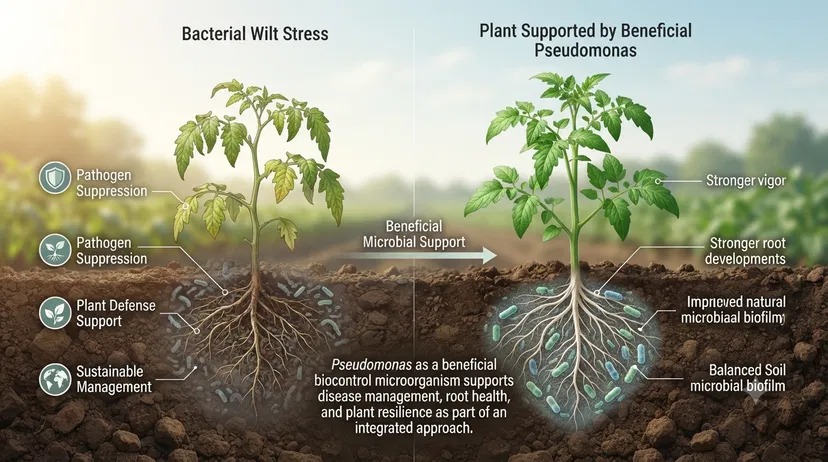
For best results, match the product to the specific pathogen and follow label directions carefully. Biological control products may also be useful as part of an integrated soil-borne disease management program.
Important: Chemical control works best when paired with drainage improvement, sanitation, and crop rotation. On its own, it usually delivers limited results.
How to Prevent Root Rot and Wilt Long Term
Long-term prevention is more effective than repeated rescue attempts. The goal is to create conditions where pathogens struggle and roots thrive.
Best Prevention Practices
- Test and amend soil before planting.
- Choose resistant plant varieties when available.
- Space plants properly for airflow and reduced moisture buildup.
- Avoid overfertilizing and overwatering.
- Rotate crops and avoid replanting susceptible species in the same area.
- Monitor plants regularly for early symptoms.
Even small changes in watering habits, bed design, and sanitation can significantly reduce root rot risk over time.
When to Seek Expert Help
If symptoms continue to spread despite good management, it may be time to consult a plant pathology expert, extension service, or experienced horticulturist. Accurate diagnosis matters because wilt symptoms can also be caused by nutrient problems, nematodes, or vascular infections.
Laboratory testing may help identify the exact pathogen and guide the most effective treatment plan. This is especially valuable for high-value crops, orchards, and greenhouse production.
Conclusion
Root rot and wilt can be devastating, but they are not unbeatable. By focusing on drainage, watering practices, sanitation, crop rotation, and soil health, you can dramatically reduce the impact of soil-borne diseases and protect plant productivity.
The key is to act early and manage the root environment before disease takes hold. Strong roots start with healthy soil, and healthy soil is the foundation of resilient plants.
Take action now: inspect your soil, review your irrigation habits, and remove the conditions that favor disease. A few smart changes today can prevent major losses later.