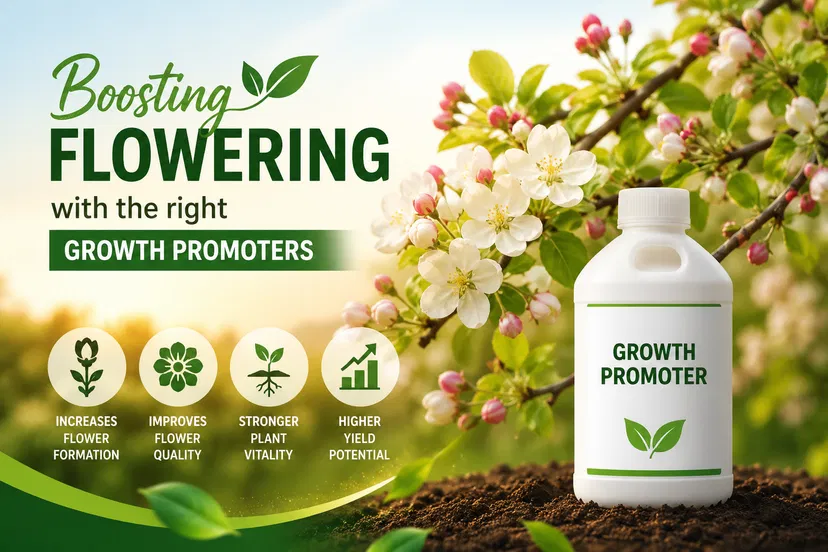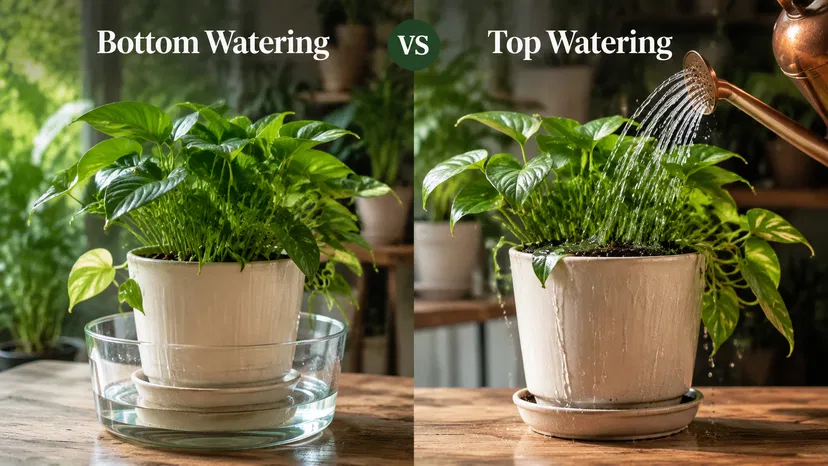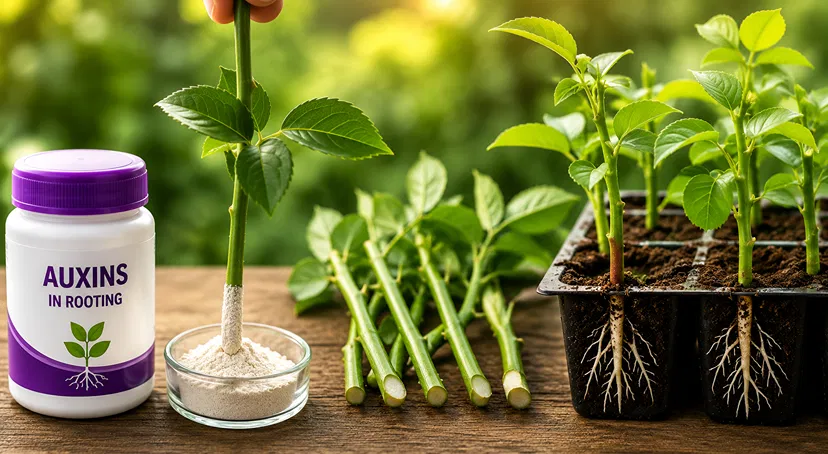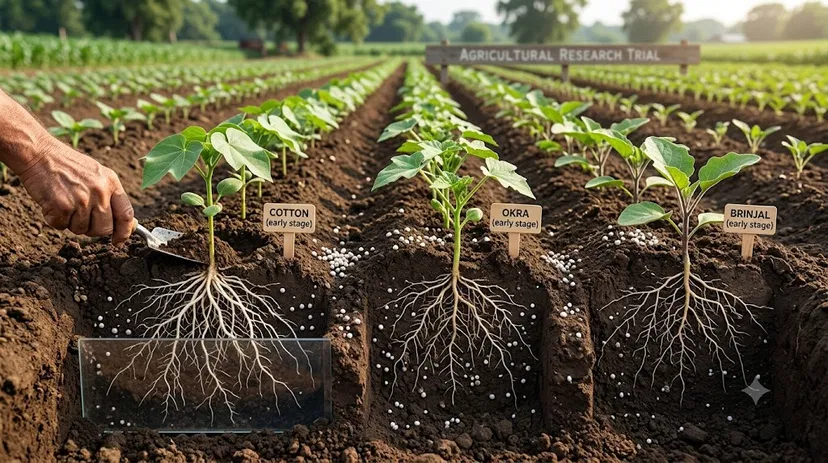
If your crops look healthy above the soil but still struggle to grow strongly, bloom well, or withstand stress, the problem may be hiding below ground. A root booster for plants can make a major difference by helping roots establish faster, absorb nutrients more efficiently, and support stronger overall growth. For farmers, knowing when to use a root booster and why it works can lead to healthier plants, better yields, and more consistent performance across the field.
Roots are the engine of every plant. They anchor the crop, take in water and nutrients, and help the plant survive heat, drought, transplant shock, and disease pressure. When roots are weak, everything above ground suffers. That is why root enhancement products have become an important tool in modern agriculture.
What Is a Root Booster for Plants?
A root booster is a product designed to stimulate root development and improve root function. Depending on the formulation, it may contain beneficial microbes, humic acids, amino acids, seaweed extracts, phosphorus, potassium, or plant growth stimulants. Some products focus on early root formation, while others improve root mass, branching, and nutrient uptake throughout the growing season.
The main goal of a root booster is simple: build a stronger root system so the plant can grow better above ground. When roots expand faster and work more efficiently, plants usually establish quicker, handle stress better, and use fertilizer more effectively.
Why Farmers Use Root Boosters
Farmers use root booster products because root health affects nearly every part of crop performance. Strong roots can mean stronger plants, and stronger plants often mean better harvests.
1. Faster Establishment
Young plants need to settle into the soil quickly. A root booster can help seedlings and transplants develop new roots sooner, allowing them to start growing without delay. This is especially useful after planting, when early root development determines the success of the crop.
2. Better Nutrient Uptake
Even if soil contains enough nutrients, plants cannot use them well without active, healthy roots. A strong root system increases the plant’s ability to absorb nitrogen, phosphorus, potassium, and micronutrients. This can improve plant color, vigor, flowering, and overall productivity.
3. Improved Drought Tolerance
Plants with deeper, broader roots can reach moisture more effectively during dry periods. Root boosters are often used to help crops handle drought stress, especially in regions where rainfall is unpredictable or irrigation is limited.
4. Reduced Transplant Shock
Transplanting can damage roots and slow down growth. Using a root booster during or shortly after transplanting can help plants recover faster and reduce the setback caused by moving seedlings into the field.
5. Stronger Stress Resistance
Heat, salinity, poor soil structure, and disease pressure can weaken root systems. Root boosters can support root recovery and resilience, helping crops stay active even under less-than-ideal conditions.
Healthy roots are the foundation of healthy plants. When farmers support root growth early, they often see benefits throughout the entire crop cycle.
When Should Farmers Use a Root Booster?
Timing matters. Using a root booster at the right stage can improve results significantly.
At Planting
The most common time to apply a root booster is at planting. This is when plants need to establish a strong root system quickly. Early application helps roots start growing immediately and gives crops a better start in the soil.
After Transplanting
Transplanted crops often experience shock because roots are disturbed during the move. A root booster can help reduce stress and encourage new root growth after transplanting.
During Early Vegetative Growth
In the early growth stage, crops are building the foundation for later development. Applying a root booster during this phase can help plants expand their roots before they begin heavy leaf, flower, or fruit production.
After Stress Events
Root boosters are also useful after stress events such as flooding, drought, heat waves, nutrient imbalance, or soil compaction. In these situations, root recovery becomes a priority, and support products can help plants regain strength.
In Low-Fertility or Poor-Structure Soils
When soil conditions are less than ideal, roots may struggle to spread and function properly. Root boosters can improve root activity in challenging soils, especially when combined with good soil management and proper fertilization.
How Root Boosters Work
Root booster products work in different ways depending on their ingredients. Some stimulate the plant’s natural rooting hormones. Others feed beneficial soil microbes that help roots grow and take in nutrients. Many formulations improve soil biology and root environment at the same time.
Here are some common mechanisms:
- Stimulating root initiation so new roots form faster
- Increasing root branching for greater soil coverage
- Supporting microbial activity in the rhizosphere
- Improving nutrient availability near the root zone
- Reducing plant stress during difficult growing conditions
When these effects work together, the plant gains a stronger foundation for growth and yield.
Signs Your Crop May Need a Root Booster
Farmers should watch for signs that roots are not performing well. A root booster may help if crops show:
- Slow early growth
- Poor establishment after planting
- Yellowing or weak leaves despite adequate fertilizer
- Wilting during mild heat or dry conditions
- Uneven crop growth across the field
- Stunted root development when plants are inspected
These symptoms do not always mean the soil lacks nutrients. In many cases, the real issue is that the root system is not strong enough to access what is already there.
Best Practices for Using Root Booster Products
To get the best results, farmers should use root boosters correctly and at the right time.
- Follow label instructions carefully. Application rate and timing matter.
- Apply early. Root boosters are most effective when roots are still developing.
- Combine with good soil management. Healthy soil, proper irrigation, and balanced fertilization improve results.
- Choose the right product for the crop. Different crops and growth stages may require different formulations.
- Do not rely on root boosters alone. They work best as part of a complete crop management plan.
It is also important to make sure the product is compatible with other inputs in the tank or soil program. Poor mixing or improper timing can reduce effectiveness.
Why Root Health Matters for Yield
Yield potential begins below the surface. A crop with a robust root system is usually better equipped to capture water, absorb nutrients, and maintain steady growth. That can lead to stronger flowering, better fruit set, improved grain filling, and more uniform harvests.
In practical terms, stronger roots can help farmers reduce losses and improve input efficiency. That means every unit of fertilizer, irrigation, and field management may go further when the root system is working properly.
Conclusion
A root booster for plants is not a miracle product, but it can be a valuable tool when used at the right time and for the right reason. Farmers should consider using one at planting, after transplanting, during early growth, or whenever crops face stress that weakens root development. By supporting the hidden half of the plant, farmers give their crops a better chance to thrive above ground.
If you want healthier crops, better nutrient uptake, and stronger yields, start by investing in root health. Strong roots create strong plants, and strong plants create better harvests.