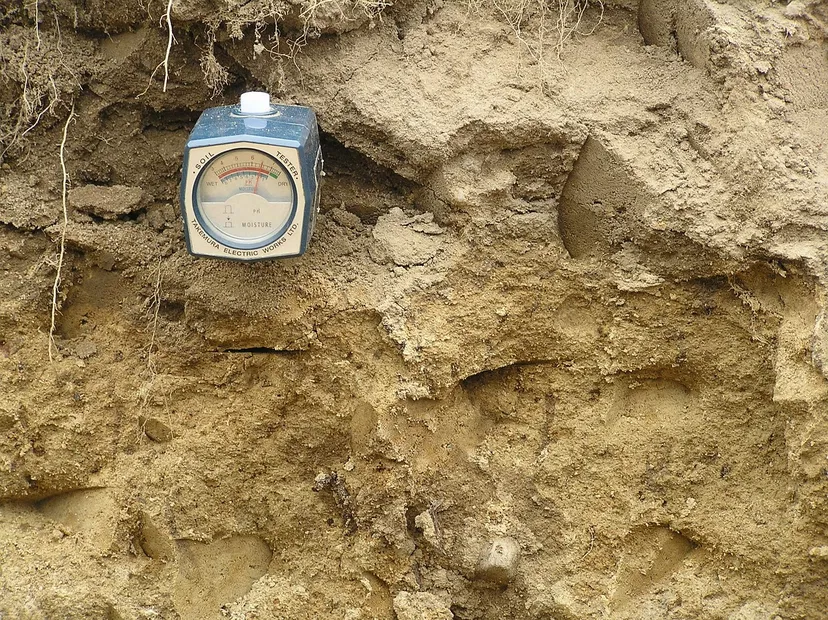
Healthy soil is often full of hidden potential, and phosphorus is one of its most important nutrients. The challenge is that much of it stays locked in forms plants cannot easily absorb. This is where PSB biofertilizer, short for phosphate solubilizing bacteria, becomes a powerful natural solution. By making bound soil phosphorus available to crops, PSB supports stronger roots, better growth, and improved yields without relying heavily on chemical fertilizers.
What Is PSB Biofertilizer?
PSB biofertilizer is a microbial input that contains beneficial bacteria capable of converting insoluble phosphorus into plant-available forms. In many soils, phosphorus exists in fixed compounds tied to calcium, iron, or aluminum. Plants cannot use these forms directly. PSB releases organic acids and enzymes that break these bonds, helping unlock phosphorus naturally.
This makes PSB an important part of sustainable agriculture, organic farming, and integrated nutrient management. Instead of forcing the soil with excess phosphorus fertilizers, farmers can encourage natural nutrient cycling and improve soil health over time.
Why Phosphorus Matters for Plant Growth
Phosphorus is essential for several key plant functions. It plays a major role in energy transfer, root development, flowering, fruiting, and seed formation. When phosphorus is deficient, plants often show stunted growth, weak roots, delayed maturity, and poor yields.
Even when soils contain phosphorus, crops may still suffer because most of it is unavailable. That is why phosphorus management is not just about adding fertilizer. It is about making sure the nutrient can actually reach the plant.
How PSB Unlocks Soil Phosphorus
PSB works through natural biological processes that transform inaccessible phosphorus into a usable form. The main mechanisms include:
- Organic acid production: PSB releases acids such as gluconic acid and citric acid, which dissolve phosphate compounds.
- Enzyme secretion: Some bacteria produce enzymes that help free phosphorus from organic matter.
- Soil pH modification: By changing the micro-environment around the root zone, PSB makes phosphorus more available.
- Root zone colonization: These bacteria live near roots and support nutrient uptake where it matters most.
Through these actions, PSB acts like a natural key that unlocks phosphorus reserves already present in the soil.
Benefits of Using PSB Biofertilizer
Farmers and gardeners use PSB biofertilizer because it offers practical benefits for crop production and soil sustainability. Some of the most important advantages include:
- Improved phosphorus availability for better plant nutrition
- Stronger root growth and early crop establishment
- Better flowering and fruiting in many crops
- Reduced dependence on chemical fertilizers
- Enhanced soil microbial activity
- Eco-friendly nutrient management
Because PSB helps use existing soil phosphorus more efficiently, it can also improve fertilizer-use efficiency and support long-term soil fertility.
How to Use PSB Biofertilizer Effectively
To get the best results, PSB biofertilizer should be applied correctly. Since it contains living microbes, handling and timing matter.
Common Methods of Application
- Seed treatment: Seeds are coated with PSB before sowing to help young roots establish quickly.
- Soil application: The biofertilizer is mixed with compost or farmyard manure and applied near the root zone.
- Root dipping: Seedlings are dipped in a PSB solution before transplanting.
- Drip or liquid application: In some systems, PSB is applied through irrigation for even distribution.
Best Practices for Application
- Store PSB products in a cool, shaded place.
- Avoid mixing with harsh chemicals immediately before application.
- Use the product within its recommended shelf life.
- Apply during favorable soil moisture conditions.
- Combine with organic matter for better microbial survival.
These steps help ensure the bacteria remain active and effective in the soil.
PSB Biofertilizer in Sustainable Farming
Modern agriculture faces a major challenge: feeding more people while protecting soil and reducing input costs. PSB biofertilizer supports this goal by improving nutrient efficiency and reducing phosphorus waste. Instead of adding more fertilizer than the crop can use, growers can harness beneficial microbes to recycle and mobilize what is already in the soil.
This approach fits well with organic farming, regenerative agriculture, and climate-smart practices. It helps preserve soil biology, minimize environmental runoff, and promote healthier agroecosystems.
When soil microbes are working well, plants can access nutrients more naturally, efficiently, and sustainably.
Crops That Benefit from PSB
PSB biofertilizer can support a wide range of crops, including cereals, pulses, vegetables, fruits, oilseeds, and plantation crops. It is especially useful for crops with high phosphorus demand or shallow roots that depend on active nutrient availability in the root zone.
Examples of crops that often respond well include:
Results may vary depending on soil type, crop variety, climate, and management practices, but PSB is widely valued for its broad usefulness.
PSB vs Chemical Phosphorus Fertilizers
Chemical phosphorus fertilizers can provide quick nutrient supply, but a large portion often becomes fixed in the soil and unavailable to plants. Over time, this can lead to inefficiency and higher input costs. PSB biofertilizer does not replace phosphorus entirely, but it helps make better use of existing phosphorus reserves.
The smartest approach is often integration. A combination of organic amendments, appropriate fertilizer doses, and PSB can create a balanced nutrient strategy that is both productive and sustainable.
Factors That Influence PSB Performance
Several factors affect how well phosphate solubilizing bacteria work in the field:
- Soil pH: Extremely acidic or alkaline soils can limit activity.
- Organic matter: More organic matter usually supports better microbial survival.
- Moisture: Adequate soil moisture helps bacteria function properly.
- Temperature: Extreme heat or cold may reduce microbial activity.
- Compatible farming practices: Excessive chemical use can suppress beneficial microbes.
Good soil management helps PSB perform more effectively and consistently.
Why PSB Biofertilizer Is the Future of Phosphorus Management
As fertilizer prices rise and soil degradation becomes a bigger concern, farmers need smarter ways to manage nutrients. PSB biofertilizer offers a natural, affordable, and environmentally responsible path forward. It improves phosphorus availability, supports healthier crops, and strengthens the biological foundation of the soil.
More importantly, it helps shift agriculture from a dependency model to a regenerative one. By working with beneficial microbes, growers can build productive soils that continue to deliver results season after season.
Conclusion
PSB biofertilizer is more than just a soil amendment. It is a powerful biological tool for unlocking soil phosphorus naturally and improving overall nutrient efficiency. Whether you grow field crops, vegetables, or fruit crops, incorporating phosphate solubilizing bacteria into your nutrient management strategy can help improve root growth, boost yields, and support long-term soil health.
If you want to grow more sustainably, reduce fertilizer waste, and make the most of the phosphorus already in your soil, PSB biofertilizer is a smart place to start. Harness the power of beneficial microbes and let your soil work naturally for stronger, healthier crops.