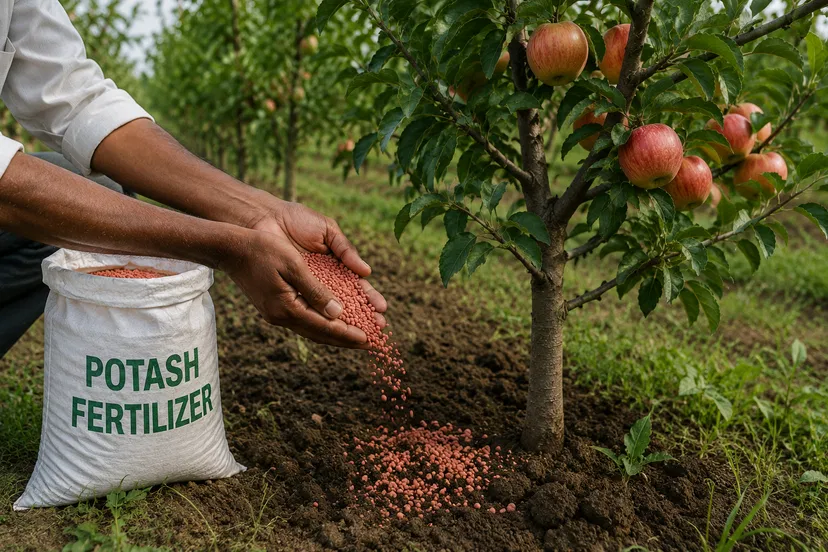
When crop quality matters as much as yield, the choice of potash fertilizer can make a big difference. For growers working with fruit, vegetables, tobacco, flowers, and other salt-sensitive crops, potassium sulphate (SOP) stands out as one of the most reliable nutrient sources available. It delivers potassium without the chloride found in many other potash fertilizers, making it a smart option for plants that need premium nutrition and minimal stress.
In this guide, we’ll explore why SOP is considered the best potash for sensitive crops, what makes it different, and how it supports healthier plants, better quality produce, and stronger market returns.
What Is Potassium Sulphate (SOP)?
Potassium sulphate, commonly called SOP or sulphate of potash, is a potassium fertilizer that also supplies sulfur. Its typical nutrient analysis is about 50% potassium oxide (K2O) and 18% sulfur. Unlike muriate of potash (MOP), SOP contains no chloride, which is a major advantage for crops that are sensitive to salts and chlorine.
This combination makes SOP especially valuable in crop systems where both potassium and sulfur are important for yield, flavor, color, oil content, and overall plant health.
Why Potassium Matters for Crop Performance
Potassium is one of the most essential plant nutrients. It helps regulate water use, activates enzymes, supports photosynthesis, and improves the movement of sugars and starches within the plant. Without enough potassium, crops may show weak growth, poor fruit development, and lower resistance to stress.
Key benefits of potassium include:
- Improved fruit size and quality
- Better drought tolerance
- Stronger disease resistance
- Enhanced sugar content and taste
- More efficient water use
For sensitive crops, however, the source of potassium is just as important as the nutrient itself.
Why SOP Is Better Than MOP for Sensitive Crops
The main reason growers choose SOP over other potash sources is simple: it is chloride-free. Many sensitive crops respond poorly to chloride, especially in soils where salinity is already a concern. Chloride can reduce crop quality, affect root development, and increase salt stress under certain conditions.
SOP is often preferred because it offers the following advantages:
- No chloride damage to salt-sensitive plants
- Lower salinity risk compared with chloride-based fertilizers
- Improved crop quality, especially in fruits and vegetables
- Added sulfur, which supports protein formation and oil synthesis
- Suitable for premium crops where quality standards are high
For many high-value crops, SOP is not just a fertilizer choice—it is a quality management tool.
Which Crops Benefit Most from SOP?
SOP is especially useful for crops that are sensitive to chloride or require exceptional quality. These include:
- Fruits such as grapes, citrus, apples, strawberries, bananas, and avocados
- Vegetables such as tomatoes, potatoes, peppers, onions, and lettuce
- Cash crops such as tobacco and some specialty herbs
- Oilseed crops where sulfur plays a key role in oil quality
- Orchard and plantation crops grown in salinity-prone soils
These crops often respond strongly to SOP because the fertilizer supports better size, color, sugar accumulation, shelf life, and processing quality.
How Sulfur in SOP Supports Plant Health
One of the biggest advantages of SOP is that it supplies sulfur along with potassium. Sulfur is an essential nutrient involved in amino acid production, enzyme function, and chlorophyll formation. It also supports the synthesis of proteins, vitamins, and oils.
When sulfur is deficient, plants may show:
- Yellowing of young leaves
- Weak growth
- Poor protein development
- Reduced crop quality
By supplying both potassium and sulfur, SOP helps create a more balanced fertility program, especially in soils that are low in sulfate sulfur.
Best Uses of SOP in Modern Agriculture
SOP is widely used in intensive agriculture where yield alone is not enough. Growers often select it when they want consistent size, color, flavor, and storage performance.
Common uses include:
- Pre-plant soil application for field crops and orchards
- Fertigation in drip-irrigated systems
- Side-dressing during key growth stages
- Blending with other fertilizers in customized nutrient programs
- Protected cultivation such as greenhouse production
Because SOP is water-soluble in many formulations, it works well in precision agriculture systems where nutrient delivery needs to be controlled carefully.
How SOP Improves Crop Quality
Growers often notice that SOP does more than just feed the plant. It can improve the commercial quality of the harvest in several important ways.
- Better flavor in fruits and vegetables
- Enhanced color development in produce and ornamentals
- Higher sugar content in crops like grapes and citrus
- Improved firmness and shelf life
- More uniform crop size
These benefits are especially important in premium markets, where visual appeal and eating quality directly influence price.
When Should Farmers Choose SOP?
SOP is the right choice when chloride sensitivity, crop quality, or sulfur supply are important considerations. It is especially valuable in the following situations:
- Soils with high salinity
- Fields where crops have shown chloride injury
- High-value crops marketed for fresh consumption
- Areas with sulfur deficiency
- Production systems focused on quality over volume
In these cases, SOP can help growers avoid stress while supporting a more profitable harvest.
Application Tips for Better Results
To get the most from potassium sulphate, timing and placement matter. Soil testing should always guide the application rate, because potassium needs vary by crop, soil type, and yield target.
Practical tips include:
- Base rates on soil and tissue analysis
- Apply before peak potassium demand, such as fruit set and bulking stages
- Use fertigation where available for efficient uptake
- Avoid over-application in already fertile soils
- Monitor sulfur levels in long-term fertilization programs
Proper use of SOP not only improves nutrient efficiency but also helps reduce waste and unnecessary input costs.
Conclusion: SOP Is the Smart Potash Choice for Sensitive Crops
Potassium sulphate has earned its reputation as the best potash fertilizer for sensitive crops because it delivers exactly what high-value plants need: potassium, sulfur, and no chloride. For growers focused on quality, profitability, and crop safety, SOP offers a clear advantage over chloride-based alternatives.
If your goal is healthier plants, better produce, and stronger market value, SOP deserves serious consideration in your fertilizer program. For sensitive crops, the right potash source can be the difference between average harvests and exceptional results.