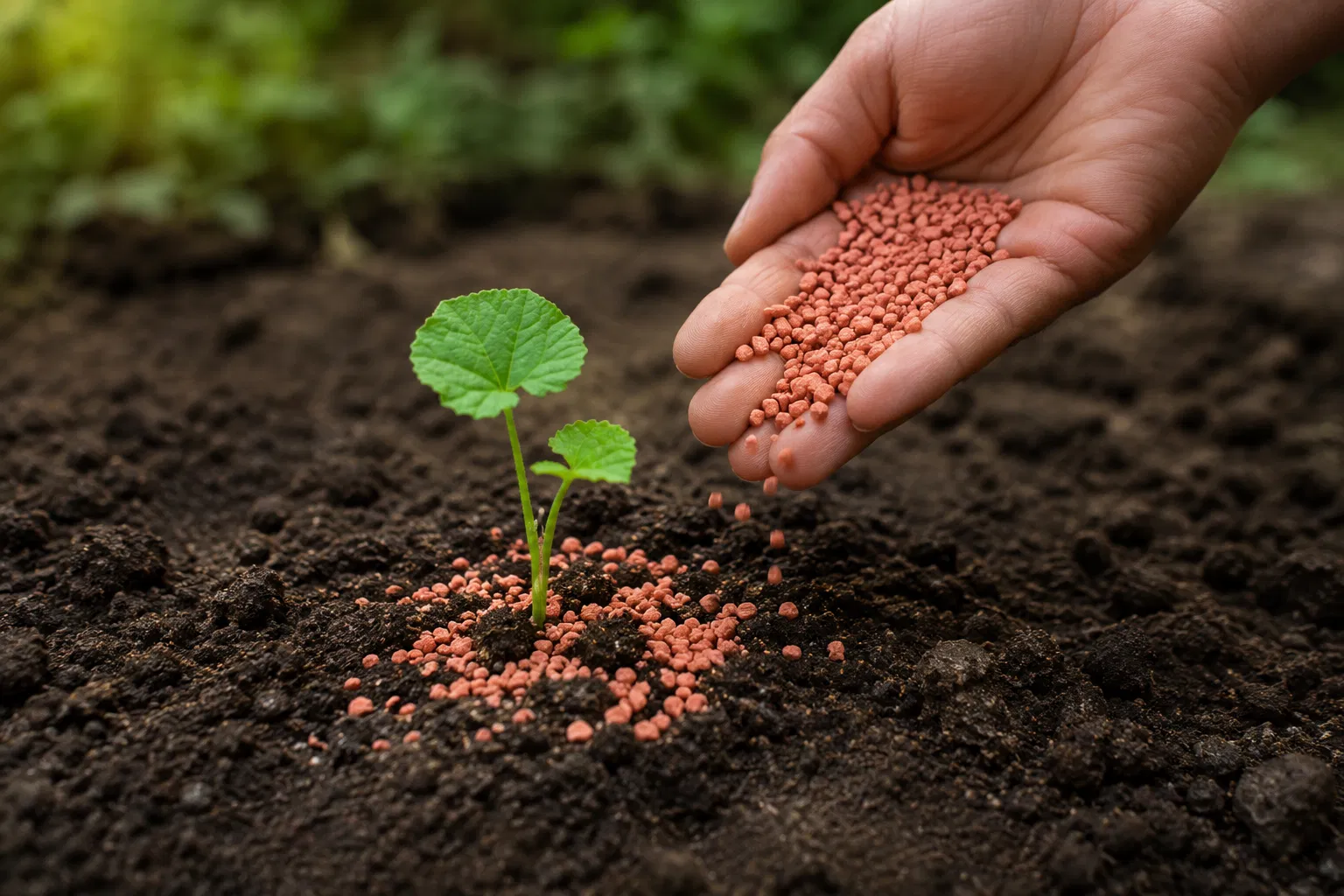
When growers want better color, firmer texture, stronger plants, and produce that lasts longer after harvest, potassium is often the missing piece. Potash fertilizer is one of the most effective ways to supply this essential nutrient, helping crops perform better from root to fruit. In modern agriculture, potassium is not just about yield—it is a key driver of produce quality.
Why Potassium Matters in Crop Production
Potassium is one of the three primary nutrients plants need, along with nitrogen and phosphorus. Unlike nitrogen, which mainly drives leafy growth, potassium supports the internal functions that determine how well a plant handles stress, moves water, and produces marketable fruits, vegetables, and grains.
Plants use potassium to regulate enzymes, improve photosynthesis, and maintain cell structure. It also helps control the opening and closing of stomata, which affects water use and drought tolerance. In short, potassium keeps plants efficient, resilient, and productive.
Potassium does not just increase crop growth—it improves crop quality.
What Is Potash Fertilizer?
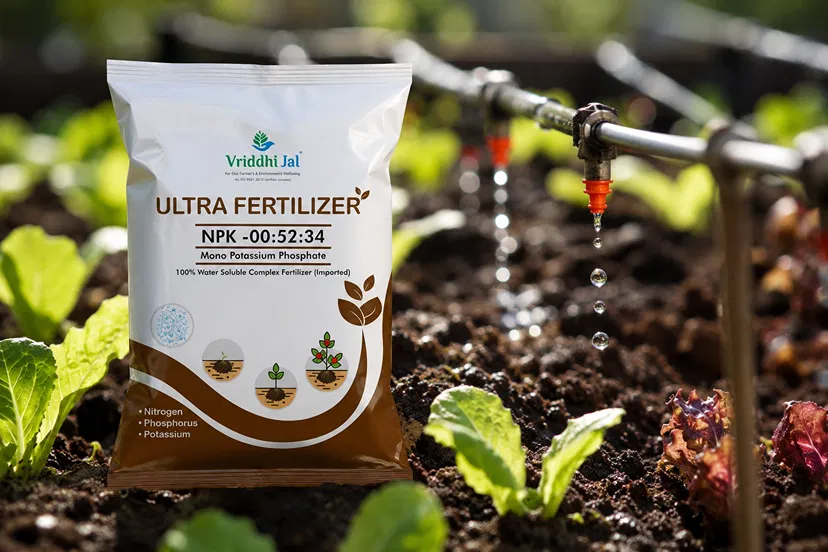
Potash fertilizer is a potassium-rich fertilizer used to correct potassium deficiency and support healthy crop development. The term “potash” commonly refers to potassium-containing compounds, especially potassium chloride, though other forms like potassium sulfate are also widely used depending on crop needs and soil conditions.
Farmers and gardeners choose potash fertilizer to improve plant vigor, boost stress resistance, and enhance the appearance, flavor, and shelf life of harvested produce. The right potash source depends on the crop, soil type, and desired outcome.
How Potassium Improves Produce Quality
Potassium plays a direct role in the traits consumers notice first: taste, texture, color, size, and storage life. For growers selling fresh produce, those details can determine profit. Potash fertilizer helps create produce that looks better, tastes better, and travels better.
1. Better Fruit and Vegetable Size
Potassium supports the movement of sugars and nutrients throughout the plant, which helps fruit and vegetables develop properly. Adequate potassium often leads to more uniform sizing and improved marketability. Crops such as tomatoes, potatoes, citrus, and melons particularly benefit from balanced potassium nutrition.
2. Improved Taste and Sugar Content
Potassium is closely linked to sugar transport in plants. When potassium levels are sufficient, crops can move sugars more efficiently into fruits and storage organs. This is one reason potassium-fed produce often has better sweetness and overall flavor.
3. Stronger Color Development
Color matters in produce quality, especially for fruit, vegetables, and ornamental crops. Potassium supports chlorophyll production and overall plant metabolism, which can improve the color and visual appeal of harvested crops. Bright, consistent color often signals healthy growth and better nutrition.
4. Firmer Texture and Better Handling
Produce with good potassium nutrition tends to have firmer cell walls and improved structural integrity. This firmness helps reduce bruising during harvest, transport, and storage. For crops like apples, peppers, and tomatoes, firmness can make a major difference in shelf appeal.
5. Longer Shelf Life
Potassium helps produce stay fresh longer after harvest by supporting stronger tissue structure and reducing stress-related deterioration. Better potassium nutrition can slow quality loss, which is especially valuable for growers shipping crops long distances or storing them before sale.
Signs of Potassium Deficiency in Crops
Recognizing potassium deficiency early can help prevent quality loss. Symptoms often appear first in older leaves because potassium is mobile within the plant and moves to new growth when levels are low.
- Yellowing or browning at leaf edges
- Weak stems and poor plant structure
- Reduced fruit size and uneven development
- Poor color in fruits and vegetables
- Lower sugar content and bland taste
- Increased susceptibility to drought, disease, and cold stress
If these signs appear, a soil test or plant tissue analysis can confirm whether potassium fertilization is needed. Applying potash fertilizer without testing may lead to unnecessary expense or nutrient imbalance.
Best Potash Fertilizer Options for Different Crops
Not all potash fertilizers are the same. The best choice depends on crop sensitivity, soil conditions, and production goals.
Potassium Chloride
Potassium chloride is the most common and economical potash fertilizer. It works well for many field crops, but it may not be ideal for chloride-sensitive crops or high-value produce where quality is a top priority.
Potassium Sulfate
Potassium sulfate is often preferred for fruits, vegetables, tobacco, and other chloride-sensitive crops. It supplies potassium along with sulfur, another important nutrient for protein and enzyme formation.
Potassium Nitrate
Potassium nitrate provides both potassium and nitrogen in a readily available form. It is often used in fertigation systems and high-value crop production where quick nutrient uptake is important.
How to Apply Potash Fertilizer Effectively
To get the best results from potash fertilizer, timing and placement matter. Potassium should be available when crops need it most, especially during active growth and fruit development.
- Start with soil testing. Know the existing potassium level before applying fertilizer.
- Match the fertilizer to the crop. Choose the right potash source for your production system.
- Apply at the right stage. Many crops benefit from potassium early in growth and again during fruiting or bulking.
- Use proper placement. Banding, side-dressing, or fertigation can improve nutrient efficiency.
- Avoid overapplication. Excess potassium can interfere with magnesium and calcium uptake.
For growers focused on premium produce, split applications are often more effective than a single large dose. This helps maintain nutrient availability throughout the season.
Potassium and Stress Resistance
One of the most valuable benefits of potash fertilizer is improved stress tolerance. Crops with adequate potassium are better equipped to handle drought, heat, disease pressure, and other environmental challenges. That resilience often translates into more reliable yields and better-quality produce under tough conditions.
Potassium helps plants regulate water movement, reduce wilting, and maintain metabolic balance during stress. This makes it especially important in regions with unpredictable weather or limited irrigation.
Common Mistakes to Avoid
Even when growers understand the importance of potassium, a few common mistakes can limit results.
- Ignoring soil testing: Guessing can lead to underfeeding or overfeeding.
- Using the wrong fertilizer source: Chloride-sensitive crops may need sulfate-based products.
- Applying too late: Potassium shortages during fruit development can reduce quality quickly.
- Overlooking nutrient balance: Potassium works best as part of a complete fertility program.
Why Potash Fertilizer Is a Smart Investment
High-quality produce often brings a higher return than simply maximizing tonnage. Potash fertilizer helps growers deliver what the market demands: attractive, flavorful, firm, and long-lasting crops. By improving internal plant function and external produce quality, potassium supports both profitability and consumer satisfaction.
Whether you grow fruits, vegetables, or field crops, potassium should be part of a balanced nutrient strategy. Healthy potassium levels can mean better harvests, fewer post-harvest losses, and stronger performance from planting to sale.
Conclusion
Potash fertilizer is more than a soil amendment—it is a quality-building tool. Potassium helps crops grow stronger, resist stress, and produce fruits and vegetables that stand out in the market. From better flavor and color to firmer texture and longer shelf life, the benefits are clear.
If you want better produce quality, start by testing your soil, choosing the right potash source, and applying potassium with precision. The results can be seen in the field, in storage, and ultimately on the plate.
For healthier crops and higher-quality harvests, make potassium a priority in your fertilization plan.