Powdery mildew can turn healthy okra leaves into a white, dusty mess fast. If you’ve noticed pale spots on the tops of leaves, curling foliage, or a weakening plant canopy, you may be dealing with one of the most common fungal problems in okra. The good news is that okra powdery mildew control is possible with early detection, smart cultural practices, and the right fungicide strategy.
In this guide, you’ll learn how to identify okra powdery mildew symptoms, understand what causes the disease, and choose the most effective fungicide for okra powdery mildew to protect your crop and improve yield.
What Is Powdery Mildew on Okra?
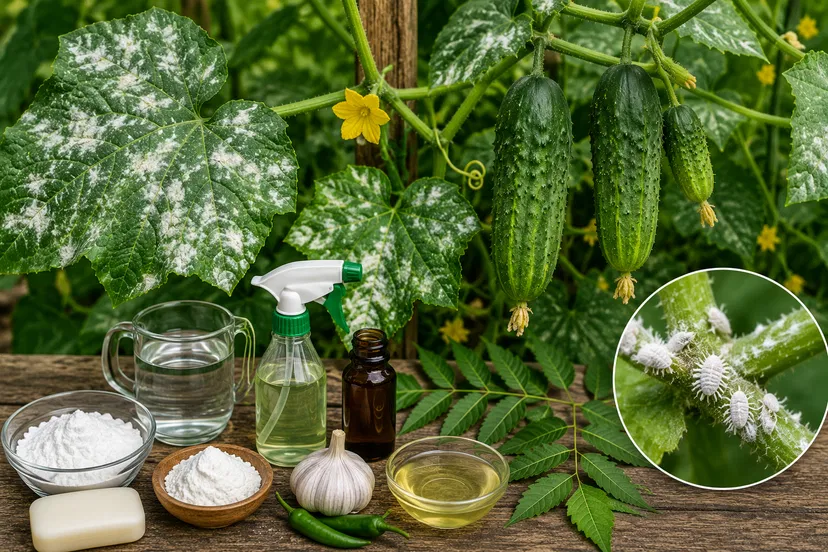
Powdery mildew is a fungal disease that affects many garden and field crops, including okra. It typically appears as a white or gray powder-like coating on leaves, stems, and sometimes pods. Unlike many fungal diseases, powdery mildew does not need wet leaf surfaces to spread aggressively. Instead, it thrives in warm conditions with moderate humidity and poor air circulation.
When left untreated, powdery mildew reduces photosynthesis, weakens the plant, and can lead to smaller pods, lower yields, and premature leaf drop.
Symptoms of Okra Powdery Mildew
Early detection is one of the most important steps in controlling powdery mildew on okra. Look for these signs:
- White powdery spots on the upper leaf surface
- Grayish-white fungal growth spreading across leaves
- Yellowing leaves beneath the powdery coating
- Leaf curling or distortion
- Reduced vigor and slower plant growth
- Premature leaf drop in severe infections
- Smaller or fewer pods due to plant stress
In the beginning, powdery mildew may show up as small circular patches. As the disease advances, these patches merge and cover larger parts of the foliage. Severe infections can weaken the entire plant, especially during hot weather when okra should otherwise be thriving.
Quick tip: Powdery mildew often starts on older leaves first, so inspect the lower and middle canopy regularly.
What Causes Powdery Mildew in Okra?
Several environmental and garden conditions increase the risk of powdery mildew in okra:
- Warm temperatures, especially between 68°F and 86°F
- High humidity without consistent rainfall
- Poor air circulation around crowded plants
- Overfertilization with nitrogen, which can create lush, disease-prone growth
- Shaded growing areas where foliage stays damp longer
- Susceptible varieties with limited disease resistance
Powdery mildew spreads through airborne spores, so once it appears in one part of the garden, it can quickly move to other plants if conditions remain favorable.
Best Practices for Okra Powdery Mildew Control
Fungicides can help manage the disease, but the best results come from combining spray treatments with good cultural practices. Start with these steps:
- Remove heavily infected leaves to reduce spore load.
- Space plants properly to improve airflow.
- Avoid overhead watering late in the day.
- Use balanced fertilizer and avoid excessive nitrogen.
- Keep weeds down since they can trap humidity around the crop.
- Rotate crops and clean up plant debris after harvest.
These measures won’t eliminate powdery mildew on their own, but they can slow the spread and make fungicides more effective.
Fungicide Guide for Okra Powdery Mildew
Choosing the right fungicide depends on the severity of the infection, your growing conditions, and whether you prefer organic or conventional options. The key is to apply treatments early, before the disease has taken over the entire plant.
1. Sulfur-Based Fungicides
Sulfur is a common and effective treatment for powdery mildew. It works best as a preventive or early-stage fungicide. Apply according to label directions, and avoid using sulfur during extreme heat, as it may cause leaf burn.
Best for: Early infections and regular preventive use
2. Neem Oil
Neem oil can suppress powdery mildew by disrupting fungal growth and reducing spore development. It is often favored in organic gardens, though it works best when applied consistently and before severe infection develops.
Best for: Light to moderate infections in organic systems
3. Potassium Bicarbonate
Potassium bicarbonate is a reliable contact fungicide that changes the leaf surface environment and helps stop fungal growth. It can be especially useful when applied at the first sign of disease.
Best for: Fast knockdown of visible powdery mildew
4. Copper-Based Fungicides
Copper fungicides may offer some suppression, but they are generally more effective as part of a broader disease management plan. Always follow the label carefully because overuse can damage plants and soil biology.
Best for: General fungal suppression and integrated management
5. Synthetic Fungicides
For severe or recurring powdery mildew outbreaks, synthetic fungicides labeled for okra and powdery mildew may be necessary. Products containing active ingredients such as myclobutanil, propiconazole, or tebuconazole are sometimes used, depending on local regulations and label approvals.
Best for: Established infections and commercial production
Always read the product label carefully before use. The label determines whether the fungicide is approved for okra, how often it can be applied, and the pre-harvest interval.
Important: Never use a fungicide on okra unless the label specifically lists okra or edible crops and includes powdery mildew control.
How to Apply Fungicides Correctly
Even the best fungicide will underperform if applied incorrectly. Follow these basic application guidelines:
- Spray at the first sign of disease.
- Cover both the top and underside of leaves.
- Reapply based on the label interval, especially after rain.
- Rotate fungicide classes to reduce resistance risk.
- Apply in the early morning or late afternoon to avoid heat stress.
For best results, use a sprayer that creates even coverage without excessive runoff. Powdery mildew lives on the plant surface, so complete leaf coverage matters.
Preventing Powdery Mildew in Okra
Prevention is always easier than rescue treatment. If powdery mildew has been a recurring issue in your garden, take these preventive steps before symptoms appear:
- Choose disease-resistant okra varieties when available
- Plant in full sun with enough spacing between rows
- Use drip irrigation to keep foliage dry
- Scout plants weekly for early symptoms
- Remove infected debris promptly
- Sanitize tools after working in diseased areas
A proactive approach can greatly reduce your reliance on fungicides and help keep your okra crop productive throughout the season.
When to Treat and When to Remove Plants
Most powdery mildew infections can be managed if caught early. However, if a plant is severely covered, dropping leaves, and producing very few pods, it may be better to remove it to protect the rest of the crop. This is especially true in small gardens where close plant spacing makes disease spread easier.
If only a few leaves are affected, trim them away and continue with fungicide applications and preventive care. If the entire canopy is declining, removal may be the most practical option.
Conclusion
Successful okra powdery mildew control depends on early symptom recognition, good airflow, proper watering, and the right fungicide strategy. Whether you choose sulfur, neem oil, potassium bicarbonate, copper, or a labeled synthetic fungicide, the most important step is to act quickly before the disease spreads.
Inspect your okra plants regularly, treat at the first sign of powdery mildew, and combine fungicide use with smart cultural practices for the strongest results. With the right approach, you can protect your okra plants, preserve yield, and keep your harvest healthy and productive.