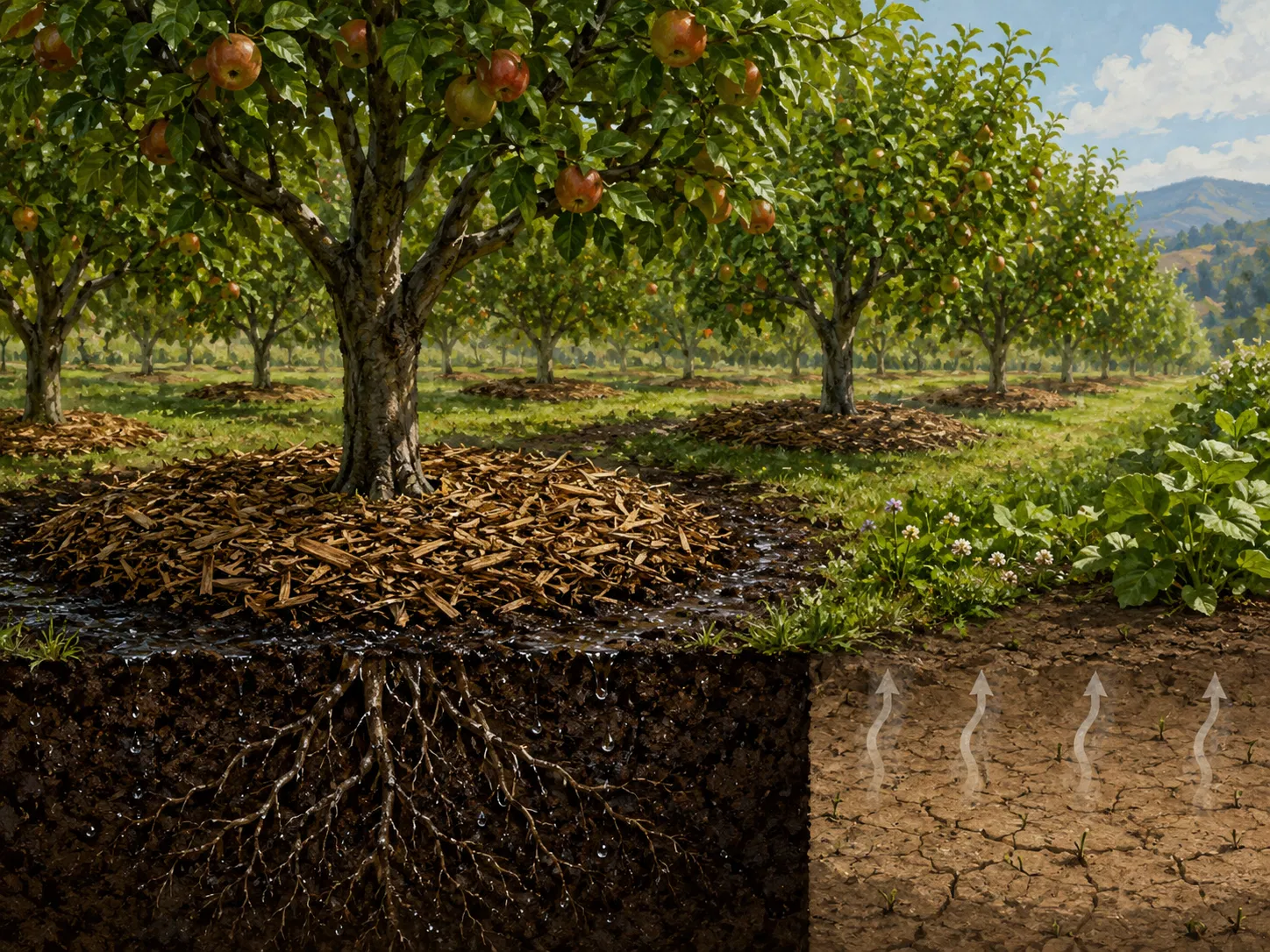
Healthy orchards don’t start above the ground—they start below it. When soil is protected, hydrated, and rich in organic matter, trees grow stronger, roots establish deeper, and fruit production becomes more consistent. One of the simplest and most effective ways to support orchard performance is mulching in orchards. Done correctly, mulch can transform the soil environment, reduce water stress, suppress weeds, and improve long-term tree health.
Why Mulching Matters in Orchards
Mulch acts like a protective blanket for the soil. In orchards, that protection is especially valuable because trees depend on stable soil conditions for years, even decades. Whether you manage a small backyard orchard or a large commercial planting, mulch helps create a healthier root zone.
Here are the main benefits of orchard mulching:
- Moisture retention: Mulch reduces evaporation and helps soil stay moist longer between irrigation or rainfall events.
- Weed suppression: A good mulch layer blocks sunlight and makes it harder for weeds to compete with trees.
- Soil temperature regulation: Mulch keeps roots cooler in summer and helps buffer extreme temperature swings.
- Improved soil structure: Organic mulches break down over time, adding organic matter that improves soil tilth.
- Erosion control: Mulch protects the soil surface from wind and heavy rain.
- Healthier microbial activity: A mulched soil environment supports beneficial organisms that contribute to nutrient cycling.
Best Mulch Materials for Orchards
Choosing the right mulch is just as important as applying it properly. Orchard growers often use organic mulches because they provide long-term soil benefits. The best option depends on climate, tree age, soil type, and availability.
Organic Mulch Options
- Wood chips: A top choice for orchard mulching, wood chips decompose slowly and are excellent for weed control and moisture conservation.
- Shredded bark: Offers a clean appearance and effective coverage, though it may break down more quickly than chips.
- Compost: Adds nutrients and organic matter, but should usually be used in combination with another mulch material for better weed control.
- Straw: Lightweight and easy to spread, but it may need replenishing more often.
- Leaf mulch: A great seasonal option that returns nutrients to the soil as it decomposes.
Mulches to Use Carefully
Not all mulch materials are ideal for orchards. Some can cause issues if applied incorrectly or used in the wrong setting.
- Fresh grass clippings: Can mat down, block airflow, and create excess heat if applied too thickly.
- Plastic mulch: Useful in some systems, but it does not improve soil health and can complicate water infiltration and long-term management.
- Uncomposted manure: May introduce pathogens or create nutrient imbalance if not properly aged.
How to Apply Mulch Correctly in Orchards
Proper application makes the difference between a productive orchard floor and a problem area. The goal is to protect the root zone without creating conditions that harm the trunk or invite pests.
- Clear the area around the trunk: Leave a small gap around the base of each tree. Mulch should never touch the trunk directly.
- Spread mulch in a broad ring: Extend mulch outward over the root zone, ideally covering a wide area under the canopy.
- Maintain the right depth: A layer of 2 to 4 inches is typically effective. Too little mulch won’t provide enough protection, and too much can limit airflow.
- Refresh as needed: Organic mulch decomposes over time, so replenish it periodically to maintain coverage.
- Keep mulch even: Avoid thick mounds or “volcano” shapes around trees, which can trap moisture near the trunk and lead to rot or disease.
Mulching and Soil Moisture Conservation
Water management is one of the biggest challenges in orchard production, especially in dry regions or during hot summers. Mulch helps reduce the frequency of irrigation by slowing evaporation from the soil surface. This means more water stays available in the root zone where trees need it most.
Mulched orchards often show better resilience during dry periods because the soil remains cooler and less prone to crusting. The result is more efficient use of every drop of water. For young trees, this can be especially important because their root systems are still developing and are more vulnerable to drought stress.
Strong soil moisture management starts at the surface. A well-maintained mulch layer can significantly reduce water loss and help orchard trees handle heat and drought more effectively.
Mulch and Soil Health: A Long-Term Investment
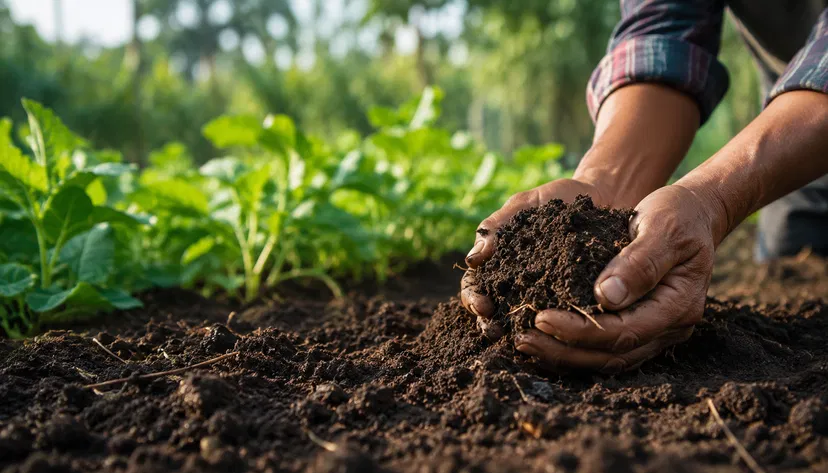
Beyond moisture control, mulching in orchards supports long-term soil improvement. As organic mulch breaks down, it feeds soil life and contributes organic matter. This can lead to better aggregation, improved infiltration, and greater nutrient availability over time.
Healthy soil is easier for roots to explore, which means trees can access water and nutrients more efficiently. In orchards where soil compaction or low organic matter is a concern, mulch can be an essential part of rebuilding productivity.
Soil Health Benefits Over Time
- Increases organic matter content
- Encourages earthworms and beneficial microbes
- Improves water infiltration and retention
- Reduces crusting and runoff
- Supports healthier root development
Common Mulching Mistakes to Avoid
Even though mulch is beneficial, poor application can create problems. Avoid these common orchard mulching mistakes:
- Mulch piled against the trunk: This traps moisture and can encourage rot, insects, or disease.
- Using too much mulch: Excessive depth can reduce oxygen in the soil and slow root function.
- Neglecting maintenance: Old mulch can break down unevenly or become compacted if not refreshed.
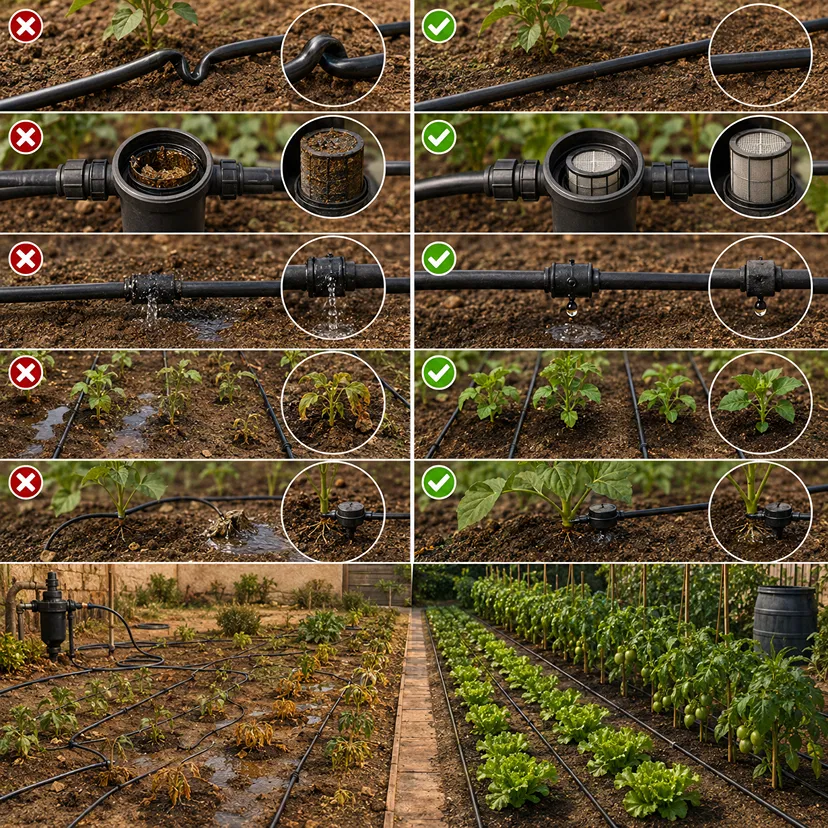
- Applying mulch too close to irrigation emitters incorrectly: Make sure irrigation still reaches the root zone effectively.
- Choosing poor-quality materials: Contaminated or weed-seed-filled mulch can create more work than benefits.
When to Mulch Orchards
Mulching can be done at several times of the year, depending on orchard goals and climate. In many regions, spring and fall are the most practical times because soil conditions are easier to manage and weather stress is lower.
Spring mulching helps conserve moisture before summer heat arrives. Fall mulching protects roots during winter and helps prepare the soil for the next growing season. In established orchards, mulch can be applied whenever soil is accessible and the weather allows for even coverage.
Mulching Young Trees vs. Mature Trees
Young orchard trees benefit greatly from mulch because they are more sensitive to drought, weed pressure, and temperature extremes. A properly mulched young tree has a better chance of establishing quickly and growing consistently.
Mature trees also benefit, but the mulch zone may need to be wider because their feeder roots often extend well beyond the trunk area. In both cases, the same principles apply: protect the root zone, preserve moisture, and avoid direct contact with the trunk.
Final Thoughts on Orchard Mulching
Mulching in orchards is one of the most practical and cost-effective ways to improve soil health and moisture retention. It supports tree growth, reduces weed competition, and creates a more stable environment for roots year-round. With the right material and proper application, mulch becomes more than a ground cover—it becomes a long-term soil improvement strategy.
If you want stronger trees, better water efficiency, and healthier orchard soil, start with mulch. A well-managed mulch layer can deliver benefits season after season, making it a smart investment for any orchard system.