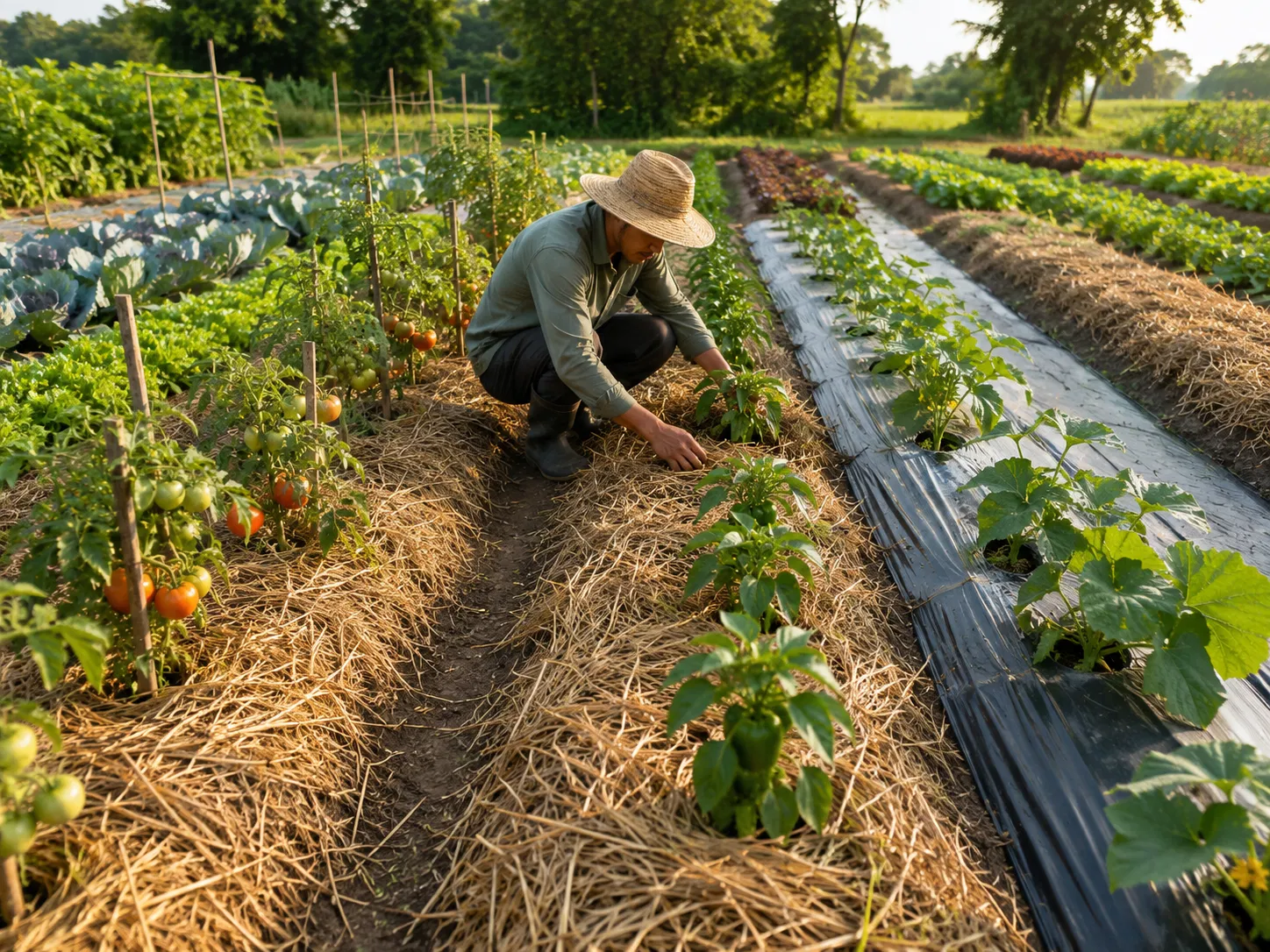
Healthy vegetable gardens do not happen by accident. One of the simplest ways to improve plant growth, reduce weeds, and protect soil is through mulching for vegetable crops. Whether you grow tomatoes, peppers, lettuce, cucumbers, or root vegetables, the right mulch can make a major difference in how your garden performs.
Mulch helps the soil hold moisture, keeps roots cooler in hot weather, reduces weed competition, and can even improve soil structure over time. For home gardeners and market growers alike, mulching is a practical, low-cost strategy that supports stronger, more productive plants. The key is choosing the right material and applying it correctly.
What Is Mulch and Why Does It Matter?
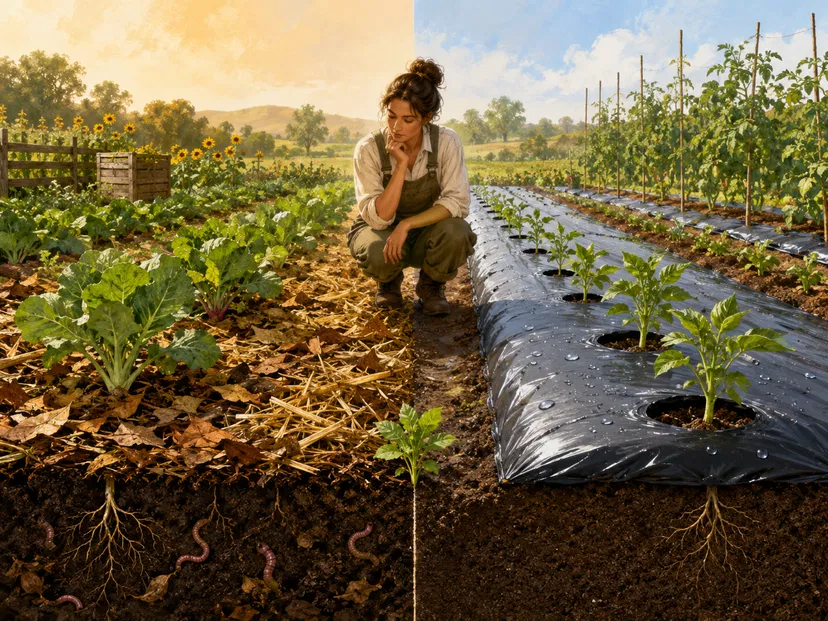
Mulch is any material spread over the soil surface around plants. In vegetable gardens, mulch serves as a protective layer between the soil and the outside environment. It can be organic, such as straw, shredded leaves, compost, or grass clippings, or inorganic, such as plastic film or landscape fabric.
The main goal of mulching is to create a more stable growing environment. Instead of bare soil drying out quickly or becoming compacted by rain, mulch helps keep conditions consistent. That stability benefits vegetables, which often need steady moisture and healthy root zones to produce well.
Top Benefits of Mulching Vegetable Crops
Mulching offers several important advantages for vegetable gardens:
- Moisture retention: Mulch slows evaporation, helping soil stay damp longer between waterings.
- Weed suppression: A thick mulch layer blocks sunlight and reduces weed germination.
- Temperature control: Mulch protects roots from extreme heat and cold.
- Soil health improvement: Organic mulches break down over time and add organic matter to the soil.
- Reduced soil splash: Mulch limits soil from splashing onto leaves, which can help reduce disease spread.
- Cleaner produce: Fruits and vegetables stay cleaner when they are less exposed to bare soil.
These benefits are especially valuable in vegetable production because many crops are sensitive to stress. A well-mulched bed can mean fewer problems and stronger yields throughout the season.
Best Mulch Types for Vegetable Gardens
Choosing the best mulch depends on your crops, climate, budget, and gardening goals. Each option has strengths and drawbacks.
1. Straw
Straw is one of the most popular mulches for vegetable crops. It is lightweight, easy to spread, and works well around tomatoes, peppers, squash, cucumbers, and strawberries. Straw helps conserve moisture and keeps produce off the ground.
Best for: warm-season crops and large garden beds
Watch out for: hay can contain weed seeds, so choose straw rather than hay whenever possible.
2. Shredded Leaves
Shredded leaves are an excellent free mulch option. They break down fairly quickly, adding nutrients and organic matter to the soil. They are especially useful in fall and can be collected from your own yard.
Best for: most vegetable beds, especially where soil improvement is a priority
Watch out for: whole leaves can mat down and block water, so shredding is ideal.
3. Grass Clippings
Fresh grass clippings can be used in thin layers as mulch. They decompose fast, which makes them useful for feeding the soil. However, they should be applied carefully to avoid becoming slimy or compacted.
Best for: nitrogen-hungry crops and quick soil enrichment
Watch out for: avoid clippings treated with herbicides or from lawns sprayed with chemicals.
4. Compost
Compost works as both a mulch and a soil amendment. A layer of finished compost around vegetable plants can feed the soil while protecting it from drying out. It is especially helpful for intensive gardens and raised beds.
Best for: all vegetable crops, especially in nutrient-poor soil
Watch out for: compost alone may not suppress weeds as effectively as thicker mulches.
5. Plastic Mulch
Plastic mulch is widely used in commercial vegetable production, especially for warm-season crops like tomatoes, melons, and peppers. Black plastic warms the soil, suppresses weeds, and can improve early growth.
Best for: heat-loving crops and early-season production
Watch out for: it does not improve soil health and must be managed carefully for irrigation and disposal.
6. Landscape Fabric
Landscape fabric is reusable and helps control weeds, but it is less common in annual vegetable gardens because it can make planting and soil building more difficult over time.
Best for: long-term paths or permanent planting areas
Watch out for: it can limit organic matter buildup in the soil below.
How to Mulch Vegetable Crops the Right Way
Proper application matters just as much as mulch choice. Too little mulch will not control weeds well, while too much can cause rot, pests, or poor airflow.
- Start with clean, weed-free soil: Remove weeds before mulching so they do not grow through the layer.
- Water thoroughly first: Apply mulch after irrigation or rain so moisture is trapped in the soil.
- Leave space around stems: Keep mulch a few inches away from plant bases to prevent disease and rot.
- Apply the right depth: Most organic mulches work best at 2 to 4 inches deep.
- Refresh as needed: Organic mulches break down, so add more during the season if the layer becomes thin.
A common mistake is piling mulch directly against stems. This can hold too much moisture at the plant base and encourage pests or fungal issues. Always leave a small open ring around each plant.
Best Mulching Practices by Crop
Different vegetables respond differently to mulch, so it helps to match the material and timing to the crop.
- Tomatoes: Straw, shredded leaves, or plastic mulch work well and help reduce soil splash.
- Peppers: Plastic mulch or compost can warm the soil and support healthy growth.
- Cucumbers and squash: Straw or leaves help retain moisture and keep fruit cleaner.
- Lettuce and leafy greens: Compost or fine organic mulch helps keep roots cool and soil moist.
- Carrots and beets: Light mulch after seedlings establish helps prevent crusting and moisture loss.
- Beans and peas: A light organic mulch can reduce weeds without crowding young stems.
For cool-season vegetables, lighter mulches may be enough in spring, while warm-season crops often benefit from deeper coverage once the soil has warmed.
Common Mulching Mistakes to Avoid
Even though mulching is simple, a few mistakes can reduce its effectiveness.
- Applying mulch too early: In cool climates, mulch can slow soil warming in spring.
- Using contaminated materials: Avoid hay with weed seeds or grass clippings treated with herbicides.
- Mulching too deeply: Excessive mulch can block air flow and trap too much moisture.
- Ignoring pests: Thick mulch near stems can shelter slugs, voles, and insects.
- Forgetting irrigation: Mulch reduces evaporation, but plants still need consistent watering.
Tip: The best mulch is the one that matches your crop, climate, and soil goals. In vegetable gardening, small adjustments can lead to big harvest improvements.
When to Mulch Vegetable Beds
Timing depends on the season and the crop. In spring, wait until the soil has warmed enough for warm-season vegetables before applying heavier mulch. For cool-season crops, mulching can begin earlier, especially if temperatures are mild.
After planting, mulching helps stabilize moisture and reduce weed pressure right away. In midsummer, adding more mulch can protect roots from heat and cut down on watering needs. In fall, organic mulch can be left in place to protect soil and slowly decompose over winter.
Final Thoughts on Mulching for Vegetable Crops
Mulching for vegetable crops is one of the smartest habits a gardener can develop. It saves water, suppresses weeds, protects soil, and supports healthier plants from the roots up. With the right material and proper application, mulch becomes more than a garden cover layer—it becomes part of your soil management strategy.
If you want better yields and less maintenance, start mulching your vegetable beds this season. Choose a mulch that fits your crops, apply it correctly, and watch your garden become more productive and resilient.