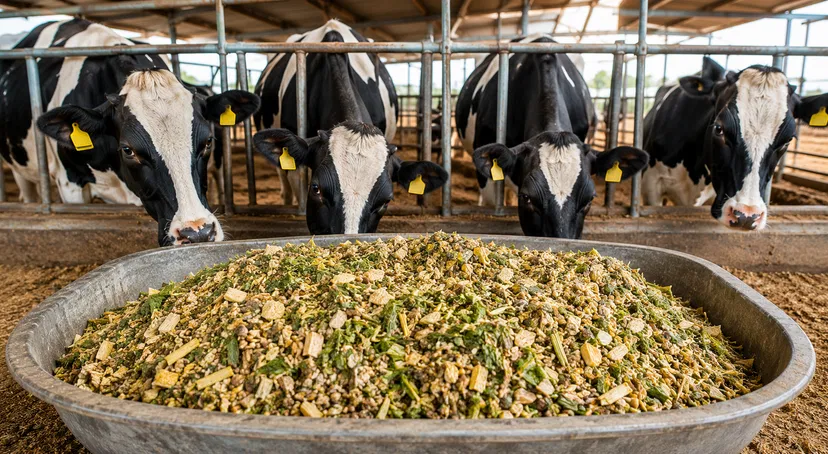
If cattle are not getting the right minerals, their performance can slip long before obvious health problems appear. A good mineral mixture for cattle supports growth, fertility, immunity, milk production, and overall herd health. In simple terms, minerals are the small nutrients that make a big difference.
For dairy and beef farmers, understanding why mineral mixture matters is essential. It is one of the most practical ways to improve productivity, prevent deficiencies, and protect long-term animal health. Whether you manage a small herd or a large operation, mineral supplementation should never be an afterthought.
What Is a Mineral Mixture for Cattle?
A mineral mixture for cattle is a feed supplement designed to provide essential macro and trace minerals that may be missing from regular fodder, pasture, or concentrate feed. These minerals help the body function properly and support key biological processes.
Common minerals found in cattle mineral mixtures include:
- Calcium – supports bones, milk production, and muscle function
- Phosphorus – important for energy use, growth, and fertility
- Magnesium – helps nerve and muscle function
- Sodium – supports fluid balance and appetite
- Potassium – helps metabolism and muscle activity
- Zinc – supports skin, hoof health, and immunity
- Copper – needed for blood formation and enzyme activity
- Selenium – supports reproductive health and antioxidant protection
- Iodine – important for thyroid function and metabolism
- Cobalt – helps vitamin B12 production in the rumen
Why Mineral Mixture for Cattle Matters
Cattle often do not receive enough minerals from grass, crop residues, or standard rations alone. Soil quality, forage type, seasonal changes, and farming practices can all affect mineral availability. That means even animals that appear well-fed may still be deficient.
Mineral deficiency can reduce productivity quietly and gradually. The effects may show up as lower milk yield, poor weight gain, weak calves, repeat breeding, or higher disease risk. By the time the problem becomes visible, losses may already be significant.
Healthy cattle need more than energy and protein. Minerals are the foundation for growth, reproduction, immunity, and efficient feed use.
Key Benefits of Mineral Mixture for Cattle
1. Improves Milk Production
Dairy cows need high levels of minerals to support lactation. Calcium, phosphorus, magnesium, and trace minerals all play a role in milk synthesis and udder health. When mineral intake is inadequate, milk output can decline and recovery after calving may be slower.
2. Supports Reproductive Health
Fertility depends heavily on balanced mineral nutrition. Deficiencies in phosphorus, copper, selenium, and zinc can cause delayed heat, poor conception rates, early embryonic loss, and repeat breeding. A proper mineral mixture helps improve breeding performance and calving success.
3. Strengthens Immunity
Minerals like zinc, selenium, copper, and iron help the immune system fight infections. Cattle with better mineral status are generally more resilient against common health challenges such as mastitis, foot problems, and respiratory issues.
4. Promotes Growth and Weight Gain
For beef cattle and growing calves, minerals are critical for bone development, muscle growth, and feed efficiency. A balanced mineral mixture helps animals convert feed into body weight more effectively, which can improve overall profitability.
5. Improves Hoof and Bone Health
Weak hooves, lameness, and skeletal problems can often be linked to mineral imbalance. Calcium, phosphorus, zinc, and copper are especially important for strong bones and healthy hoof tissue. This is particularly important in confined or high-producing animals.
6. Helps Prevent Deficiency Diseases
Mineral deficiencies can lead to problems such as milk fever, grass tetany, poor coat condition, anemia, and reduced appetite. Regular mineral supplementation helps lower the risk of these issues and supports smoother herd management.
Signs Your Cattle May Need More Minerals
Mineral deficiency is not always obvious at first. Still, there are warning signs farmers should watch for:
- Low milk yield
- Poor body condition
- Reduced appetite
- Slow growth in calves
- Delayed heat or poor conception
- Weak calves at birth
- Licking soil, stones, or walls
- Rough coat or hair loss
- Lameness or hoof cracking
- Frequent illness or slow recovery
If these signs appear, it may be time to review the ration and assess whether the herd is getting enough minerals.
How to Choose the Right Mineral Mixture for Cattle
Not all mineral supplements are the same. The right product depends on the type of cattle, stage of production, local forage conditions, and the animal's nutritional needs.
Look for a Balanced Formula
A quality mineral mixture should contain both macro minerals and trace minerals in appropriate proportions. It should be designed specifically for cattle rather than generic livestock use.
Check for Bioavailable Minerals
Bioavailability matters because not all minerals are absorbed equally well. Chelated or highly available forms may improve absorption and reduce waste.
Match the Product to the Animal's Stage
Calves, growing heifers, lactating cows, pregnant cows, and beef cattle all have different mineral needs. Choose a formulation that suits the herd's production stage.
Consider Local Feed Gaps
Soil and forage in some regions may be naturally low in certain minerals. A local feed analysis or veterinary recommendation can help identify likely deficiencies.
Follow the Recommended Dosage
More is not always better. Over-supplementation can cause imbalance or toxicity, especially with minerals like selenium and copper. Always follow label directions or expert guidance.
Best Practices for Feeding Mineral Mixture to Cattle
To get the full benefit of mineral supplementation, it should be fed correctly and consistently.
- Provide minerals daily so cattle have continuous access.
- Keep mineral feeders clean and dry to prevent spoilage and clumping.
- Place feeders in accessible areas where cattle naturally gather.
- Adjust intake based on weather and feed type, since mineral consumption can change seasonally.
- Combine mineral feeding with a balanced ration for best results.
- Monitor herd response by checking milk yield, fertility, growth, and general condition.
Why Mineral Mixture Is a Smart Investment
Some farmers view mineral supplementation as an extra expense, but it is better understood as a low-cost investment in herd performance. The cost of poor fertility, low milk yield, weak calves, or frequent illness is usually much higher than the cost of a quality mineral mixture.
When cattle receive the right minerals, they are more productive, healthier, and more efficient. That means better returns for the farm and fewer hidden losses over time.
Conclusion
A mineral mixture for cattle is not just a supplement; it is a vital part of good animal nutrition. It supports milk production, fertility, immunity, growth, and overall herd performance. Without enough minerals, even the best feed program can fall short.
If you want healthier cattle and stronger productivity, make mineral supplementation a regular part of your feeding strategy. Review your herd's needs, choose the right formulation, and provide minerals consistently. Small nutritional improvements can lead to major results in the barn and on the balance sheet.