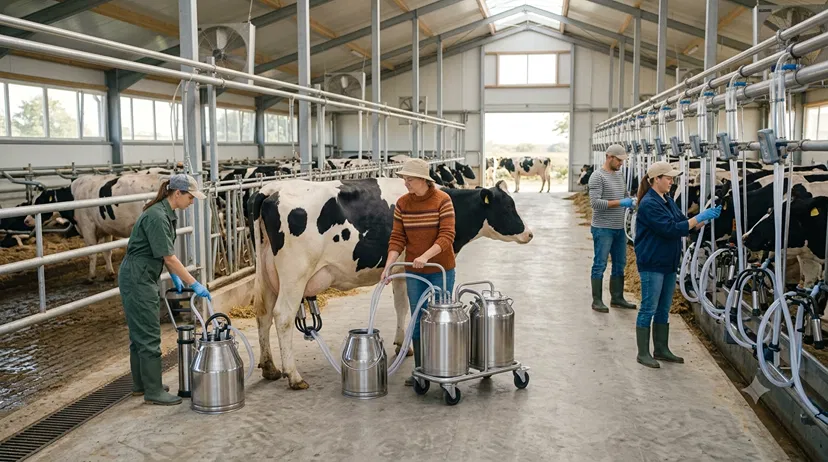
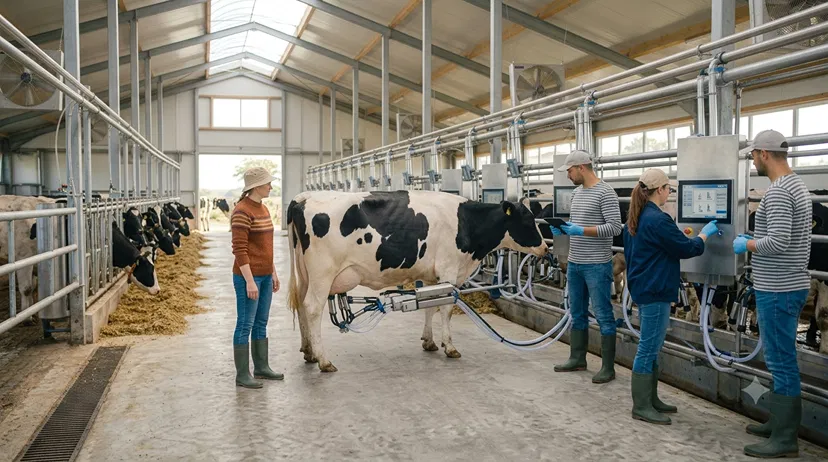
For dairy farmers, efficiency, hygiene, and consistency are everything. That’s why the milking machine has become one of the most valuable tools on modern dairy farms. Whether you manage a small herd or a large commercial dairy, the right milking system can save time, reduce labor, improve milk quality, and support better animal welfare.
But choosing and using a milking machine effectively takes more than just buying equipment. You need to understand how it works, what types are available, how to maintain it, and how to use it safely for both cows and operators. This complete guide breaks it down in a simple, practical way.
What Is a Milking Machine?
A milking machine is a mechanical device designed to extract milk from dairy animals, most commonly cows, goats, and sheep. It uses a combination of vacuum pressure and pulsation to gently remove milk from the udder and move it into a collection container.
Compared with hand milking, a milking machine offers faster milking, more consistent results, and lower physical strain. For many dairy farmers, it is an essential part of daily farm operations.
How a Milking Machine Works
Most milking systems follow the same basic principle: they create a controlled vacuum that draws milk from the teat, while pulsators regulate the suction pattern to mimic natural nursing.
The process usually includes these steps:
- The teat cups are attached to the animal’s teats.
- A vacuum inside the cups gently draws milk out.
- Pulsation alternates suction and release to protect the teat tissue.
- Milk flows through tubes into a bucket or pipeline system.
- The milk is then transferred to a storage container or cooling tank.
This controlled system helps maintain milk quality while reducing stress on the animal when properly adjusted and maintained.
Types of Milking Machines
Choosing the right milking machine depends on herd size, budget, and farm setup. The most common types include:
1. Bucket Milking Machines
Bucket milking machines are popular on small farms. Milk is collected directly into a portable bucket attached to the machine. They are relatively affordable, easy to move, and suitable for limited numbers of animals.
2. Pipeline Milking Systems
Pipeline systems are ideal for medium to large dairy farms. Milk is transported through a fixed pipeline directly to a central tank, reducing handling time and improving efficiency.
3. Portable Milking Machines
Portable units are lightweight and convenient for smallholders or farms with multiple milking locations. They are often used for goats and cows in smaller herds.
4. Automatic Milking Systems
Automatic or robotic milking systems represent the latest technology in dairy farming. These systems allow cows to be milked with minimal human involvement and can improve labor efficiency, although they require a higher initial investment.
Key Benefits of Using a Milking Machine
Investing in a milking machine can offer major advantages for dairy farmers. Some of the biggest benefits include:
- Time savings: Milking becomes faster and more efficient.
- Reduced labor: Fewer workers are needed for daily milking tasks.
- Improved hygiene: Closed systems reduce contamination risk.
- Consistent milk quality: Standardized milking helps produce cleaner milk.
- Better comfort for animals: Properly adjusted machines reduce teat strain.
- Higher productivity: Efficient milking supports larger herd management.
When maintained properly, a milking machine can also help reduce the risk of mastitis and other udder health problems.
What to Look for When Buying a Milking Machine
Not all milking machines are the same. Before purchasing, consider the following factors:
- Herd size: Small, medium, or large operations need different systems.
- Animal type: Cow, goat, and sheep systems may differ in design.
- Vacuum stability: Reliable vacuum pressure is essential for safe milking.
- Pulsation rate: Proper pulsation protects the teat and improves milk flow.
- Ease of cleaning: Sanitation should be simple and effective.
- Durability: Choose strong materials built for daily use.
- Service support: Access to spare parts and maintenance matters.
A good machine should fit your farm’s workflow, not force you to redesign everything around it.
Best Practices for Safe and Efficient Milking
Using a milking machine correctly is just as important as choosing the right one. Good milking practices protect milk quality and animal health.
Prepare the Udder Properly
Clean and dry the teats before attaching the machine. This reduces bacteria and helps prevent contamination.
Check the Machine Before Use
Inspect vacuum levels, hoses, liners, and pulsators daily. Any damage or irregularity can affect performance and animal comfort.
Attach Teat Cups Correctly
Improper attachment can cause air leaks, discomfort, or incomplete milking. Make sure the cups fit securely and evenly.
Monitor the Milking Process
Never leave the machine unattended for too long. Watch for overmilking, slipping cups, or signs of stress in the animal.
Remove the Unit Gently
Once milk flow slows significantly, remove the cluster carefully to avoid teat damage or vacuum trauma.
Good milking is not just about speed; it is about precision, cleanliness, and animal care.
Milking Machine Maintenance Tips
Regular maintenance keeps your milking machine reliable and extends its service life. It also helps protect milk quality and animal health.
- Clean all milk-contact parts after every use.
- Replace rubber liners and seals as recommended by the manufacturer.
- Inspect vacuum pumps and pulsators regularly.
- Check hoses for cracks, leaks, or blockages.
- Sanitize the entire system according to farm hygiene standards.
- Schedule professional servicing when needed.
Neglecting maintenance can lead to poor vacuum performance, lower milk yield, and higher repair costs over time.
Common Problems and How to Avoid Them
Even the best milking machine can develop issues if it is not used properly. Common problems include:
- Low vacuum pressure: May cause slow milking or incomplete milk removal.
- Air leaks: Often caused by worn hoses or loose fittings.
- Dirty components: Can lead to contamination and bad milk quality.
- Overmilking: Can irritate teats and increase mastitis risk.
- Poor pulsation: May affect milk flow and animal comfort.
The best way to avoid these issues is through routine inspection, proper cleaning, and operator training.
Milking Machine and Animal Welfare
A well-designed milking machine supports animal welfare when used correctly. Gentle vacuum control, accurate pulsation, and proper cup attachment help reduce stress and discomfort.
Farmers should always aim for calm handling, consistent routines, and clean equipment. Comfortable animals tend to produce better milk and remain healthier over time.
Conclusion
A milking machine is more than a labor-saving device; it is a core part of efficient and profitable dairy farming. From improving hygiene and milk quality to reducing workload and supporting herd health, the right system can make a major difference on your farm.
If you are planning to invest in a milking machine, focus on your herd size, farm layout, cleaning needs, and long-term maintenance. With the right choice and proper care, your milking system can deliver reliable performance for years to come.
For dairy farmers looking to improve productivity and milk quality, a well-managed milking machine is one of the smartest investments you can make.