Rainy season farming can be highly rewarding when you choose the right leafy vegetables and manage moisture, pests, and disease the right way. With abundant water and cooler conditions, many leafy crops grow fast and produce tender, market-ready leaves. The challenge is protecting them from fungal infections, waterlogging, and leaf damage caused by heavy rainfall.
This guide to leafy vegetable farming in the rainy season covers the best crops to grow, how to prepare the soil, smart planting methods, and practical care tips that help you harvest healthy, high-quality greens even during wet weather.
Why Grow Leafy Vegetables in the Rainy Season?
Leafy vegetables are one of the most profitable and fast-growing crops for the rainy season. They mature quickly, require relatively low investment, and can be harvested multiple times in some cases. Because demand for fresh greens stays strong in local markets, restaurants, and households, farmers can earn steady income with proper planning.
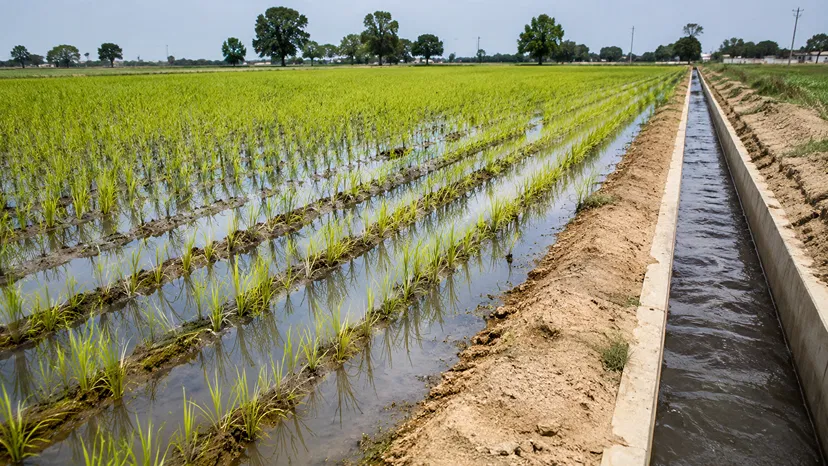
Rainy season cultivation also supports continuous supply when irrigation costs are lower. If drainage is managed well, the natural moisture helps leafy vegetables grow lush, vibrant, and tender.
Key advantage: Fast growth, frequent harvesting, and strong market demand make leafy greens an excellent rainy season crop.
Best Leafy Vegetables to Grow in the Rainy Season
Not all leafy crops handle heavy moisture equally. Choose varieties that tolerate humidity and short periods of rainfall better than others.
Top rainy season leafy vegetables
- Amaranth – Fast-growing, heat-tolerant, and popular in many local markets.
- Spinach – Performs well in cooler rainy conditions if drainage is good.
- Fenugreek – A quick crop with strong market demand and good leaf production.
- Mustard greens – Hardy, flavorful, and suitable for wet-season growing.
- Coriander leaves – High-value herb crop with good returns under careful moisture control.
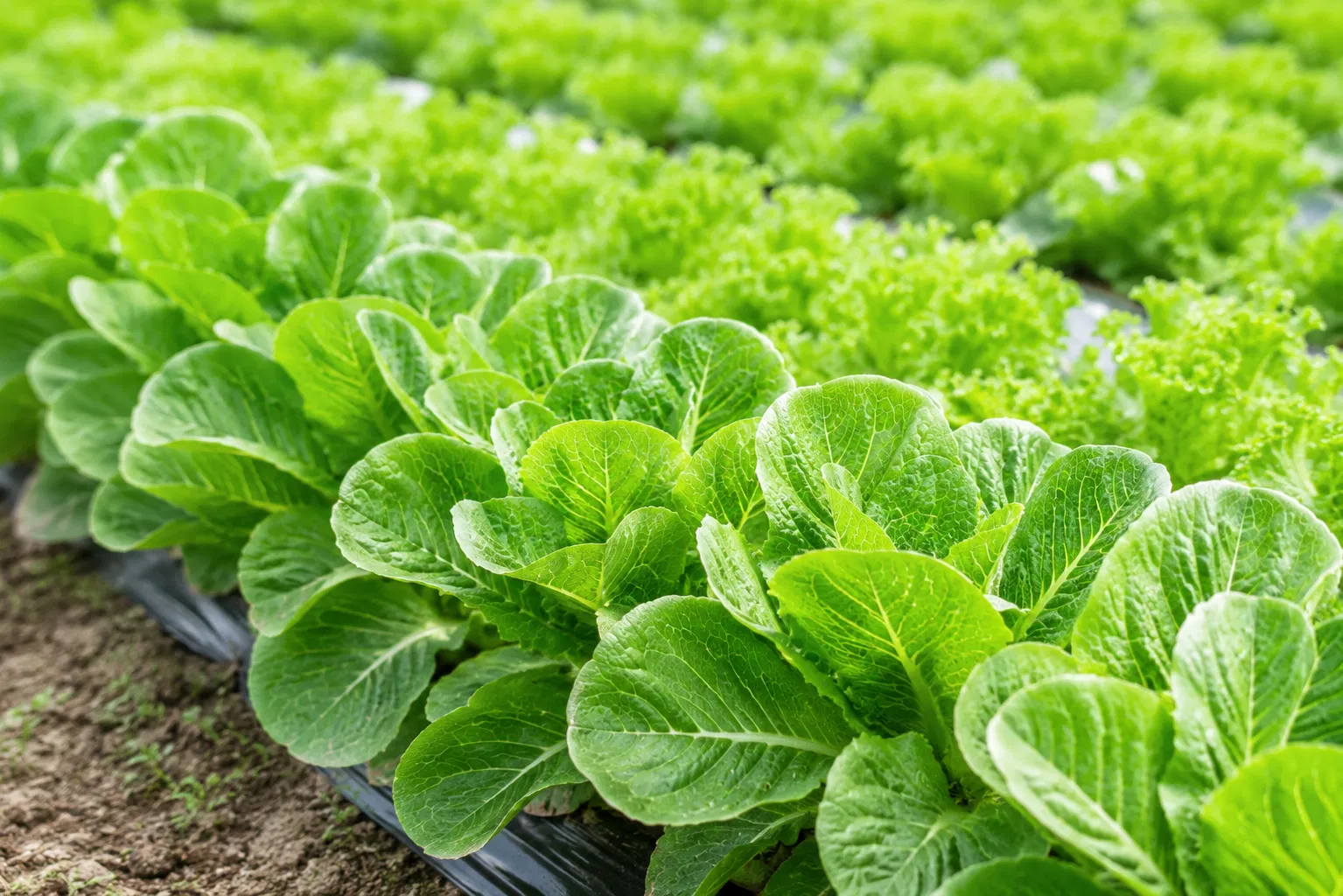
- Lettuce – Best in raised beds or protected cultivation during light to moderate rains.
Select crop varieties that are locally recommended for the rainy season. Disease-resistant seeds give you a better chance of success when humidity is high.
Soil Preparation for Rainy Season Leafy Farming
Healthy soil is the foundation of successful leafy vegetable farming. In the rainy season, the biggest soil challenge is excess water. Waterlogged roots can quickly lead to weak plants and fungal disease.
Prepare the land properly
- Choose well-drained land with light to medium soil texture.
- Build raised beds to keep roots above excess moisture.
- Incorporate organic matter such as compost or well-rotted manure to improve soil structure.
- Remove weeds and plant debris before sowing to reduce disease pressure.
- Test soil pH if possible and correct acidity or alkalinity for better nutrient uptake.
Raised beds are especially important in rainy season leafy vegetable farming. They help water drain away quickly and make it easier to manage crop rows, weeding, and harvesting.
How to Plant Leafy Vegetables During the Rainy Season
Direct sowing is common for many leafy vegetables, but timing matters. Avoid sowing just before very heavy rain if your field has poor drainage. Instead, plant after the soil has settled and moisture levels are manageable.
Planting tips
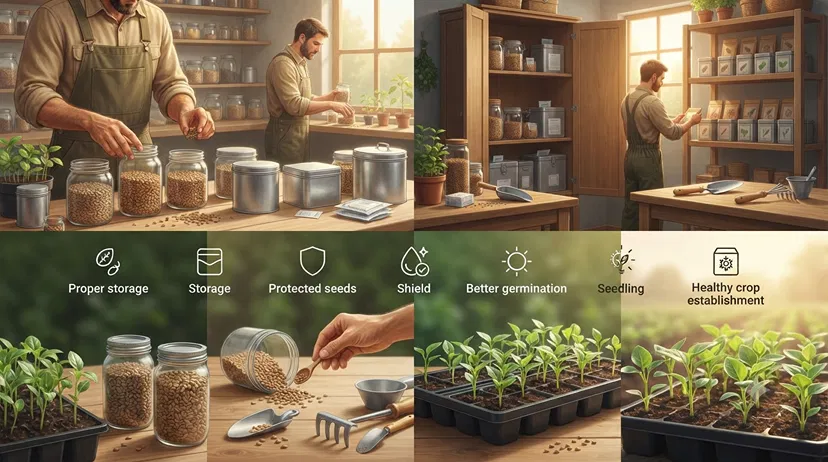
- Use healthy, certified seeds for better germination and disease resistance.
- Sow seeds at the recommended depth to avoid rot in wet soil.
- Space plants properly to improve airflow and reduce fungal spread.
- Use seedling trays or nursery beds for crops like lettuce and coriander if you want stronger transplants.
- Mulch lightly to reduce soil splash, but avoid heavy mulching that traps excess moisture.
Good spacing is one of the simplest ways to reduce disease in the rainy season. When air moves freely between plants, leaves dry faster after rain, lowering the risk of infection.
Water and Drainage Management
Even though it is the rainy season, leafy vegetables still need balance. Too much water is just as harmful as too little. Consistent moisture is important, but stagnant water must be avoided at all costs.
Drainage practices that work
- Dig shallow drainage channels between beds.
- Keep bed tops slightly elevated above walking paths.
- Clear blocked waterways after every heavy rainfall.
- Avoid over-irrigating if natural rainfall is already sufficient.
- Inspect low-lying sections of the farm regularly for puddles.
If you farm in an area with frequent flooding, consider planting in containers, protected beds, or polytunnels. Controlled growing spaces reduce crop losses and improve leaf quality.
Fertilization and Nutrient Management
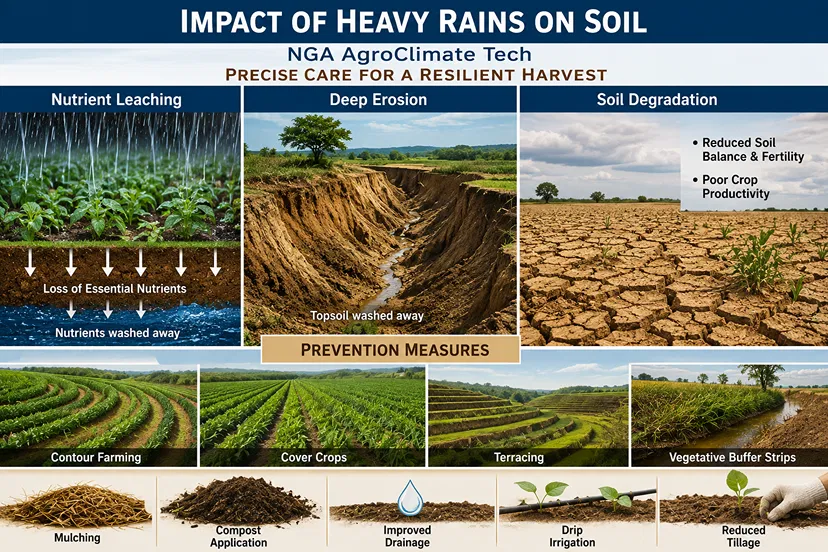
Leafy vegetables need steady nutrition to produce dense, healthy foliage. During rainy weather, nutrients can leach out of the soil faster, so feeding must be timely and balanced.
Feeding recommendations
- Apply compost or manure before planting to build fertility.
- Use nitrogen-rich fertilizers carefully to encourage leaf growth.
- Split fertilizer applications instead of applying all at once.
- Include potassium and micronutrients for stronger plants and better leaf color.
- Avoid excessive nitrogen, which can make plants soft and more disease-prone.
Organic inputs are especially valuable in rainy season leafy vegetable farming because they improve soil health and support better water balance over time.
Pest and Disease Control in Wet Weather
High humidity and frequent rainfall create ideal conditions for pests and diseases. Prevention is always better than cure, especially for short-cycle leafy crops.
Common problems to watch for
- Leaf spot
- Downy mildew
- Damping-off in seedlings
- Aphids
- Flea beetles
- Caterpillars
Control strategies
- Start with clean seed and disease-free seedlings.
- Remove infected plants immediately to prevent spread.
- Avoid overhead watering in humid weather.
- Use neem-based or approved biological sprays where appropriate.
- Rotate crops to reduce soil-borne disease buildup.
- Keep the farm weed-free, since weeds can host pests and pathogens.
Frequent inspection is essential. Check the underside of leaves, stem bases, and seedling trays at least twice a week. Early intervention can save an entire crop.
Harvesting Leafy Vegetables in the Rainy Season
Harvest at the right stage to maximize freshness, flavor, and shelf life. Rainy season crops often grow quickly, so they may need more frequent cutting than in drier months.
Harvesting best practices
- Harvest early in the morning when leaves are cool and crisp.
- Use clean, sharp tools to avoid bruising.
- Handle leaves gently to maintain market quality.
- Wash and dry produce quickly after harvest if needed.
- Sort out damaged or diseased leaves before packing.
If you are growing cut-and-come-again crops like amaranth or spinach, regular harvesting can encourage continued leaf production and improve total yield.
Post-Harvest Handling and Storage
Leafy vegetables spoil quickly, especially in humid weather. Good post-harvest handling helps preserve freshness and reduce losses.
- Keep harvested greens in shaded, cool areas.
- Use ventilated crates instead of sealed bags.
- Avoid stacking leaves too tightly.
- Transport produce to market as soon as possible.
- Use clean water for washing and maintain hygiene throughout handling.
For small-scale farmers, quick sales and minimal storage are often the best strategy during the rainy season. The fresher the harvest, the better the price.
Final Tips for Successful Rainy Season Leafy Vegetable Farming
Success in rainy season leafy vegetable farming depends on preparation, drainage, crop selection, and constant monitoring. Start with the right crop, protect the soil from excess water, and maintain proper spacing to reduce disease pressure. Feed crops wisely, scout for pests regularly, and harvest on time to preserve quality.
If you focus on these essentials, rainy weather can become an advantage rather than a setback. With the right approach, leafy vegetable farming in the rainy season can deliver fast harvests, strong market demand, and consistent profit.
Start small, manage well, and expand gradually. That is the smartest way to build a productive and profitable rainy season leafy vegetable farm.