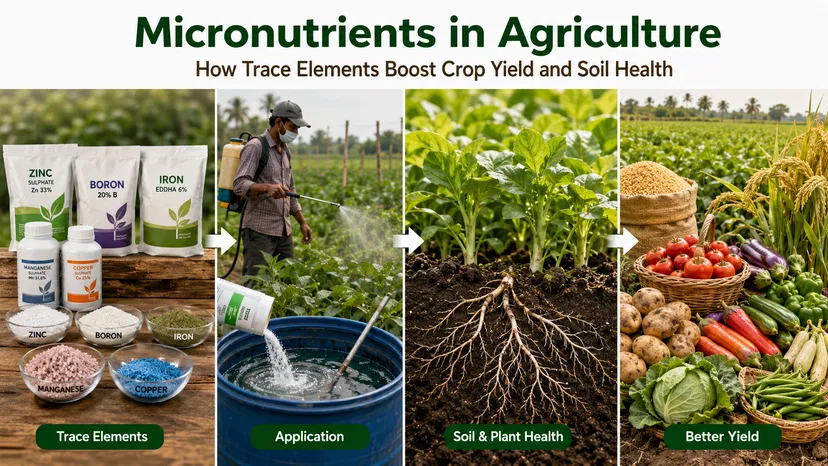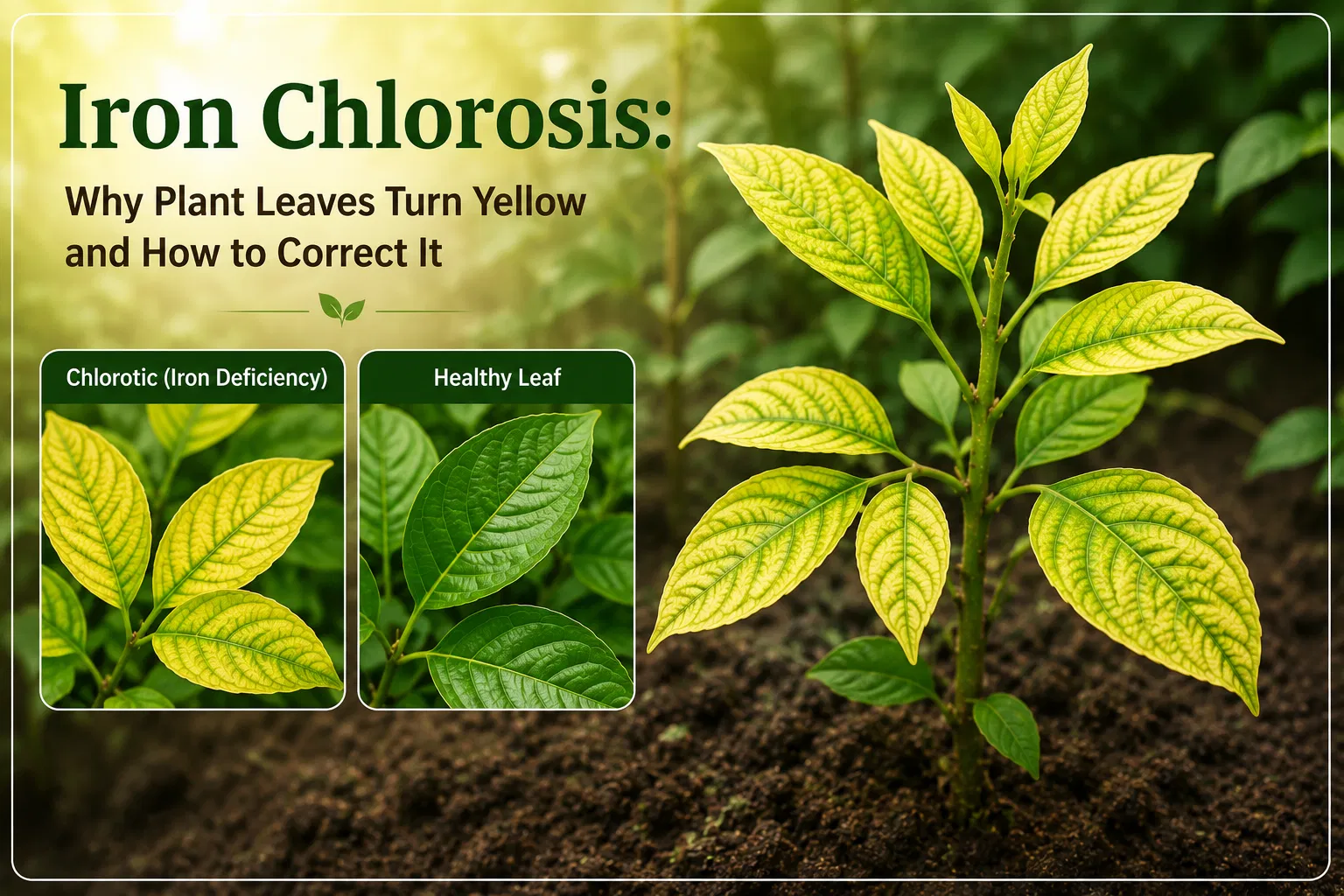
If your plants have yellow leaves with green veins, they may be suffering from iron chlorosis. This common nutrient problem affects gardens, farms, orchards, and landscapes, and it can weaken plants, reduce yields, and ruin the appearance of ornamentals. The good news is that iron chlorosis is manageable once you understand what causes it and how to correct it properly.
What Is Iron Chlorosis?
Iron chlorosis is a condition in which plants cannot access enough iron to produce chlorophyll, the green pigment responsible for photosynthesis. When chlorophyll production drops, leaves lose their healthy green color and turn yellow, even though the plant may have plenty of iron in the soil.
The key sign of iron chlorosis is interveinal chlorosis, which means the areas between the leaf veins turn yellow while the veins stay green. This pattern usually appears first on new or young leaves because iron does not move easily from older tissue to new growth.
Why Iron Chlorosis Happens
One of the most confusing things about iron chlorosis is that it often occurs even when soil contains enough iron. The problem is usually not the amount of iron, but whether the plant can absorb it. Several factors can block iron uptake.
1. High Soil pH (Alkaline Soil)
This is the most common cause. In alkaline soils, iron becomes chemically unavailable, so roots cannot take it up efficiently. Many plants struggle in soils with a pH above 7.0.
2. Poor Drainage and Overwatering
Waterlogged or compacted soils reduce oxygen around the roots. This limits root function and makes it harder for plants to absorb iron and other micronutrients.
3. High Levels of Other Nutrients
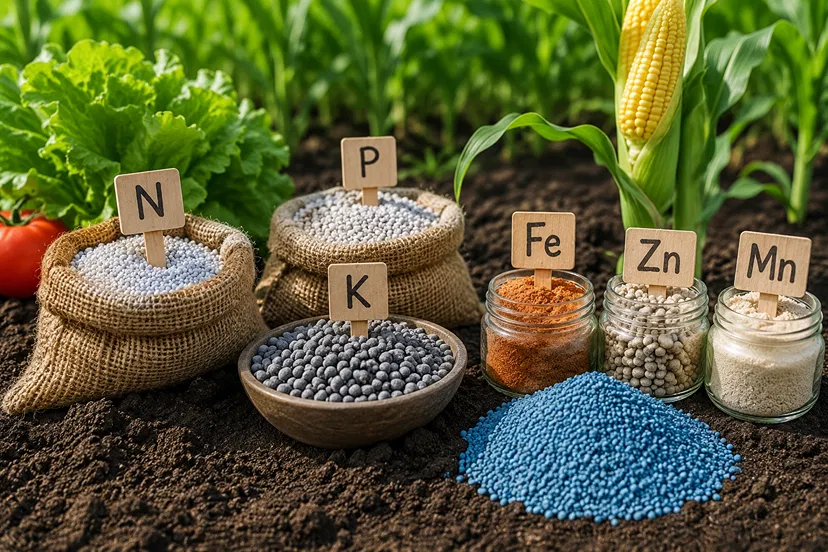
Excess phosphorus, manganese, or other minerals can interfere with iron absorption. Over-fertilizing can sometimes trigger or worsen chlorosis.
4. Damaged or Restricted Roots
If roots are damaged by disease, pests, compaction, or construction, the plant may not be able to take up enough iron even when it is available.
5. Cold or Wet Conditions
Cool, wet soils slow root activity, which can temporarily reduce iron uptake and cause seasonal yellowing.
Common Symptoms of Iron Chlorosis
Identifying iron chlorosis correctly is important because other problems can also cause yellow leaves. Look for these telltale signs:
- Yellow leaves with green veins (interveinal chlorosis)
- Symptoms starting on young or new leaves first
- Pale or almost white leaves in severe cases
- Reduced growth and weak stems
- Leaf edges turning brown in advanced stages
- Poor fruit or flower production
Quick tip: If older leaves are yellowing first, the problem is more likely nitrogen deficiency. Iron chlorosis usually starts with the newest leaves.
Plants Most Affected by Iron Chlorosis
Some plants are especially prone to iron chlorosis, particularly those that prefer acidic soils. Common examples include:
- Citrus trees
- Blueberries
- Azaleas and rhododendrons
- Roses
- Grapes
- Fruit trees such as peach and pear
- Ornamental shrubs and shade trees
If you grow acid-loving plants in alkaline soil, iron chlorosis is a frequent challenge and may require ongoing management.
How to Correct Iron Chlorosis
Correcting iron chlorosis involves two goals: giving plants iron they can actually use and fixing the underlying soil conditions that caused the problem. A combination approach usually works best.
1. Use Chelated Iron
Chelated iron is specially formulated to remain available to plants, even in alkaline soils. It can be applied to the soil or as a foliar spray. Chelated products are often more effective than basic iron sulfate in high-pH conditions.
- Soil application: Good for long-term correction
- Foliar spray: Provides a fast, short-term green-up
2. Apply Iron Sulfate
Iron sulfate can help, especially in soils that are not strongly alkaline. However, in high-pH soils, it may convert to an unavailable form quickly, so results can be short-lived.
3. Lower Soil pH
Since high pH is the main cause of iron chlorosis, reducing soil pH can provide lasting improvement. Elemental sulfur is commonly used to gradually acidify soil. This is a slower method, but it addresses the root cause rather than just the symptoms.
4. Improve Soil Drainage
If overwatering or compaction is contributing to the problem, improving drainage and soil structure can help roots absorb iron more effectively. Adding organic matter can improve both drainage and nutrient availability.
5. Avoid Over-Fertilizing with Phosphorus
Because high phosphorus levels can block iron uptake, avoid excessive phosphorus fertilizers if your plants are prone to chlorosis.
Foliar Spray vs. Soil Treatment
Both methods have their place, and the right choice depends on how quickly you need results and how severe the problem is.
- Foliar sprays work fast and are ideal for a quick fix during the growing season. However, the effect is temporary and may need repeating.
- Soil treatments take longer but can provide more lasting correction, especially when combined with pH management.
For persistent or severe cases, using both approaches together often gives the best outcome.
How to Prevent Iron Chlorosis
Prevention is easier and more cost-effective than treating severe deficiencies. A few smart practices can keep plants healthy and green.
- Test your soil to check pH and nutrient levels before planting.
- Choose the right plants for your soil type, especially in alkaline areas.
- Add organic matter to improve soil health and nutrient availability.
- Avoid overwatering and ensure good drainage.
- Fertilize wisely and avoid nutrient imbalances.
- Monitor young leaves for early signs of yellowing.
By managing soil conditions from the start, you can reduce the risk of chlorosis and support strong, healthy growth.
When to Seek Professional Help
If your plants continue to struggle despite treatment, it may be time to consult a local nursery, agronomist, or extension service. Persistent chlorosis can sometimes signal deeper soil problems, root disease, or environmental stress that requires expert diagnosis.
Professional soil testing can also pinpoint exactly what is limiting iron uptake, allowing you to apply the right solution instead of guessing.
Conclusion
Iron chlorosis is a common but treatable problem that turns healthy green leaves yellow, often due to high soil pH rather than a true lack of iron. By identifying the symptoms early, correcting the soil conditions, and using effective iron sources like chelated iron, you can restore your plants to vibrant health.
Whether you are growing fruit trees, ornamentals, or garden plants, understanding and managing iron chlorosis will help you maintain strong growth, better yields, and beautiful green foliage all season long.
If your plants have yellow leaves with green veins, don’t wait—test your soil, choose the right iron treatment, and take action before the problem spreads.