Fruit orchards can be highly rewarding, but they also face constant pressure from insects, diseases, weeds, and environmental stress. The most effective way to protect productivity without relying too heavily on chemicals is through Integrated Pest Management (IPM). For orchard growers, IPM is not a single tactic—it is a practical, long-term system that combines monitoring, prevention, biological control, and targeted treatments to keep pests below damaging levels.
If you want healthier trees, cleaner fruit, and more consistent yields, IPM for fruit orchards offers a smarter path forward. Instead of reacting to every pest problem, you plan ahead, identify risks early, and use the least disruptive methods first. That approach saves time, reduces input costs, and supports a more sustainable orchard.
What Is IPM in Fruit Orchards?
Integrated Pest Management is a decision-making framework designed to manage pests efficiently and responsibly. In fruit orchards, IPM focuses on maintaining pest populations at acceptable levels while minimizing harm to beneficial insects, pollinators, workers, and the environment.
The core of orchard IPM is simple: know what is happening in the orchard before taking action. That means regular scouting, identifying pests accurately, understanding their life cycles, and using thresholds to decide when intervention is actually needed.
Why IPM Matters for Orchard Growers
Fruit trees are perennial crops, so pest problems can build over time if they are not managed well. A single season of poor control can affect bud health, fruit quality, tree vigor, and next year’s production. IPM helps orchard managers stay ahead of these issues.
- Reduces unnecessary spraying by treating only when needed
- Protects beneficial insects like predators and pollinators
- Improves fruit quality by preventing pest damage early
- Supports resistance management by rotating control methods
- Promotes sustainability through balanced, long-term orchard health
Key Components of IPM for Fruit Orchards
1. Accurate Pest Identification
You cannot manage a pest effectively if you do not know what it is. Orchard pests may look similar at first glance, but the best control method depends on the species, life stage, and timing of infestation. A leafroller, fruit fly, mite, or fungal pathogen each requires a different strategy.
Use field guides, extension resources, and diagnostic services when needed. Correct identification is the foundation of every IPM decision.
2. Regular Monitoring and Scouting
Scouting is one of the most important habits in orchard IPM. Walk the orchard regularly and inspect leaves, shoots, blossoms, fruit, trunks, and soil conditions. Look for pest presence, feeding injury, disease symptoms, and signs of beneficial insects.
Monitoring tools may include:
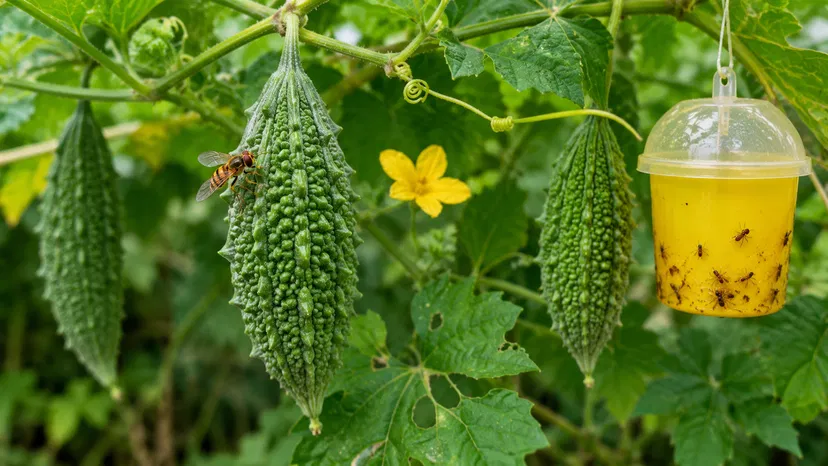
- Sticky traps
- Pheromone traps
- Degree-day models
- Visual inspections
- Weather-based disease forecasting systems
Frequent monitoring allows you to spot pest pressure early, when control is easier and less expensive.
3. Action Thresholds
In IPM, not every pest sighting means immediate treatment. Action thresholds help determine when pest levels are high enough to justify control measures. These thresholds vary by crop, pest, growth stage, market standards, and regional recommendations.
Effective orchard IPM is about making informed decisions, not automatic reactions.
Using thresholds prevents unnecessary sprays and helps preserve beneficial organisms that naturally suppress pests.
4. Prevention First
Prevention is the most cost-effective part of orchard IPM. Strong cultural practices reduce pest pressure before it becomes severe.
- Choose pest-resistant or disease-tolerant varieties when available
- Prune trees to improve airflow and light penetration
- Remove fallen fruit and infected plant material
- Manage irrigation to avoid excessive humidity
- Maintain balanced fertilization to prevent overly succulent growth that attracts pests
- Keep orchard floors clean and manage weeds that can harbor pests
Healthy trees are less vulnerable to pests and recover more quickly from damage.
5. Biological Control
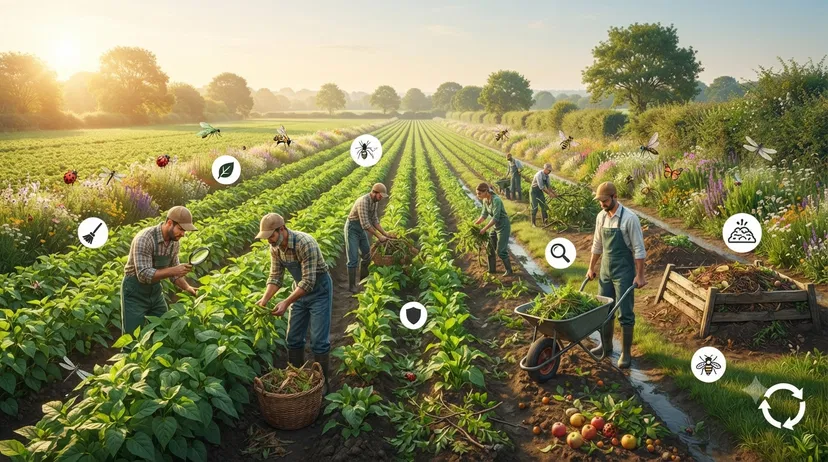
Many orchards already contain helpful natural enemies that feed on pests. These include lady beetles, lacewings, predatory mites, parasitic wasps, and birds. Supporting these allies can make a major difference in orchard health.
To encourage biological control:
- Avoid broad-spectrum insecticides when possible
- Preserve flowering plants that provide food for beneficial insects
- Use selective products that target specific pests
- Monitor for signs of natural predator activity
When beneficial populations are protected, they can help keep pest outbreaks in check naturally.
6. Mechanical and Physical Controls
Some orchard pests can be reduced through direct physical methods. These tactics are especially useful in smaller orchards or as part of a broader program.
- Hand removal of infested fruit or branches
- Pruning out diseased wood
- Using trunk guards or barriers against crawling pests
- Netting to protect fruit from birds or insects
- Mating disruption techniques for certain moth pests
These methods can significantly lower pest pressure while reducing reliance on chemical treatments.
7. Judicious Chemical Control
When pest pressure exceeds thresholds and other methods are not enough, targeted pesticide use may be necessary. In IPM, chemicals are not the first response—they are one tool among many.
Best practices for chemical control include:
- Choosing the right product for the pest and crop
- Applying at the correct growth stage or pest life stage
- Rotating modes of action to prevent resistance
- Following label instructions carefully
- Using spot treatments when possible instead of blanket applications
Thoughtful pesticide use protects orchard productivity while reducing environmental impact.
Common Orchard Pests IPM Helps Manage
IPM is effective against a wide range of orchard pests. The exact pest complex depends on the fruit crop and region, but common examples include:
- Codling moth
- Apple maggot
- Peach tree borer
- Scale insects
- Aphids
- Mites
- Fruit flies
- Powdery mildew
- Apple scab
- Brown rot
Because pests differ by orchard type, a customized IPM plan is always more effective than a generic approach.
Seasonal IPM Strategy for Fruit Orchards
Dormant Season
Winter is the time to assess pest history, prune trees, remove overwintering sites, and plan next season’s management. Dormant sprays or sanitation may be useful depending on the pest complex.
Bloom Period
During bloom, pollinator protection becomes critical. Avoid unnecessary insecticide use and focus on disease forecasting, blossom monitoring, and weather tracking.
Fruit Development
This is often the most active pest period. Monitor traps, scout weekly, and respond quickly if thresholds are exceeded. Fruit thinning, sanitation, and selective interventions can help protect crop quality.
Pre-Harvest and Post-Harvest
Near harvest, the goal is to preserve fruit quality and reduce storage problems. After harvest, remove damaged fruit, clean up debris, and evaluate what worked and what did not so the next season starts stronger.
Recordkeeping Makes IPM More Effective
Good records turn orchard IPM from guesswork into a repeatable system. Track pest sightings, trap counts, weather conditions, spray dates, product choices, and results. Over time, patterns become easier to see.
With reliable records, you can:
- Predict pest outbreaks more accurately
- Improve timing of interventions
- Identify recurring problem areas
- Compare results across seasons
- Make smarter variety and management decisions
Building a Practical IPM Plan
A strong orchard IPM program does not need to be complicated. Start with a few core habits and build from there.
- Identify the main pests and diseases in your orchard
- Set up a consistent scouting schedule
- Use traps and weather tools to improve timing
- Define action thresholds based on crop and market needs
- Prioritize sanitation, pruning, and habitat management
- Support beneficial insects and pollinators
- Use targeted chemical controls only when necessary
- Review records at the end of each season and adjust the plan
Conclusion: Smarter Pest Management Starts with IPM
IPM for fruit orchards is more than a pest control method—it is a long-term strategy for growing healthier trees and higher-quality fruit. By combining monitoring, prevention, biological control, and selective treatment, orchard growers can reduce losses while improving sustainability and profitability.
If you want better results in your orchard, start with scouting, keep good records, and make every control decision count. The more precisely you manage pests, the more resilient and productive your orchard will become.