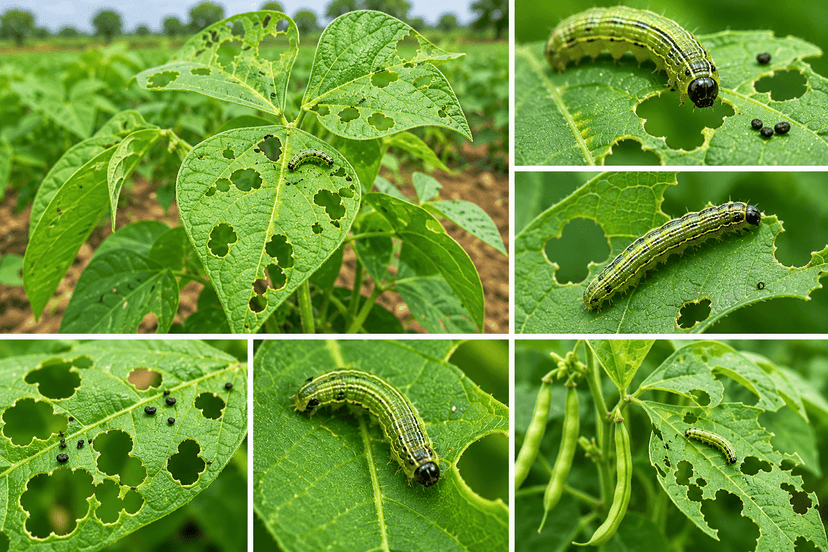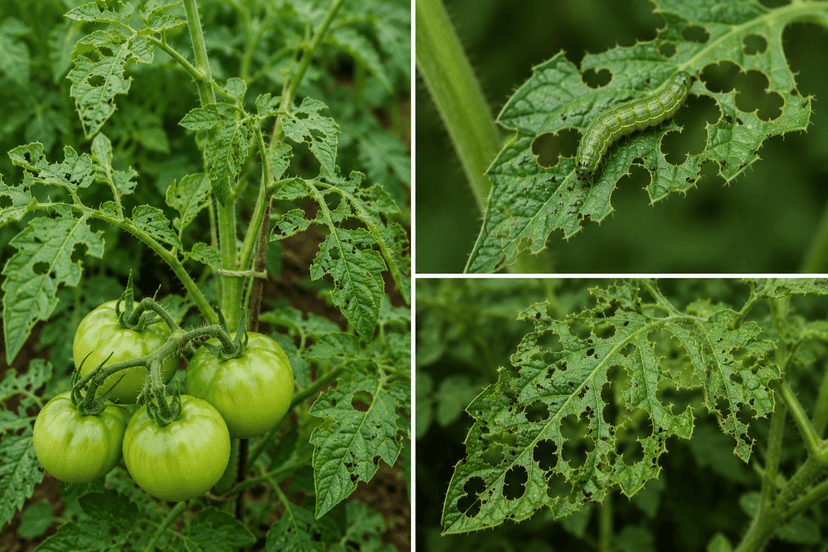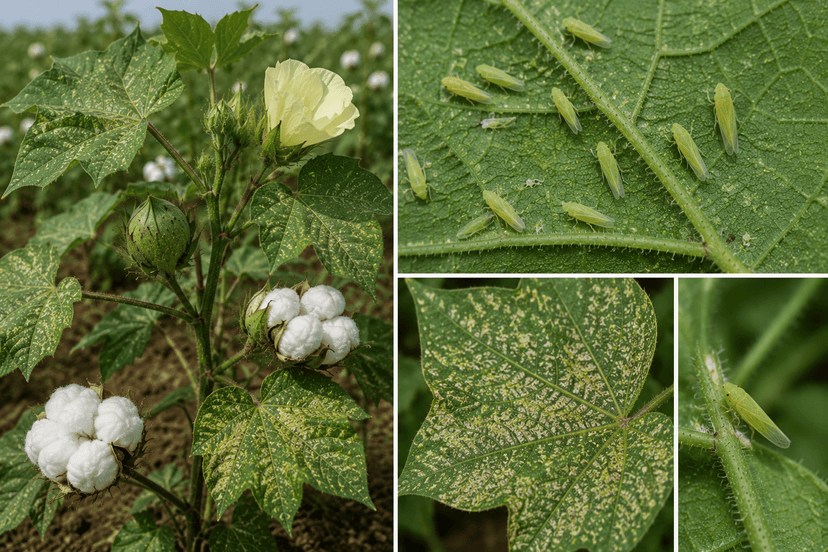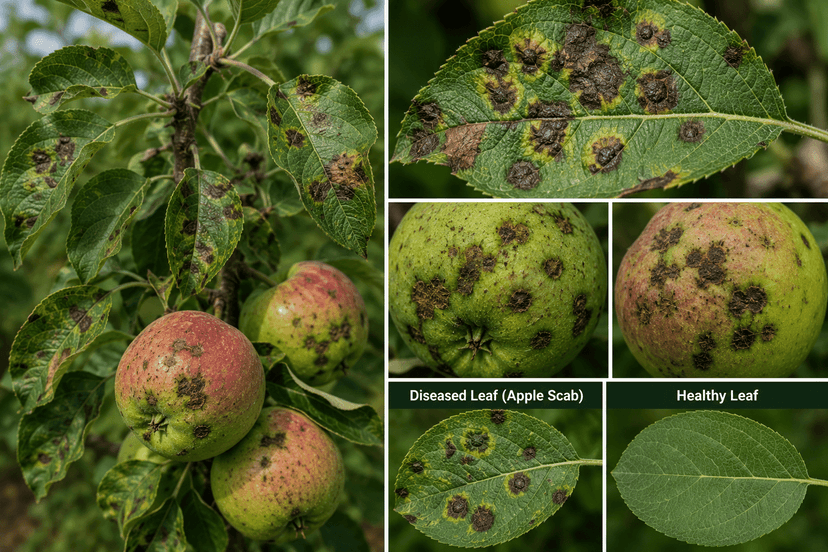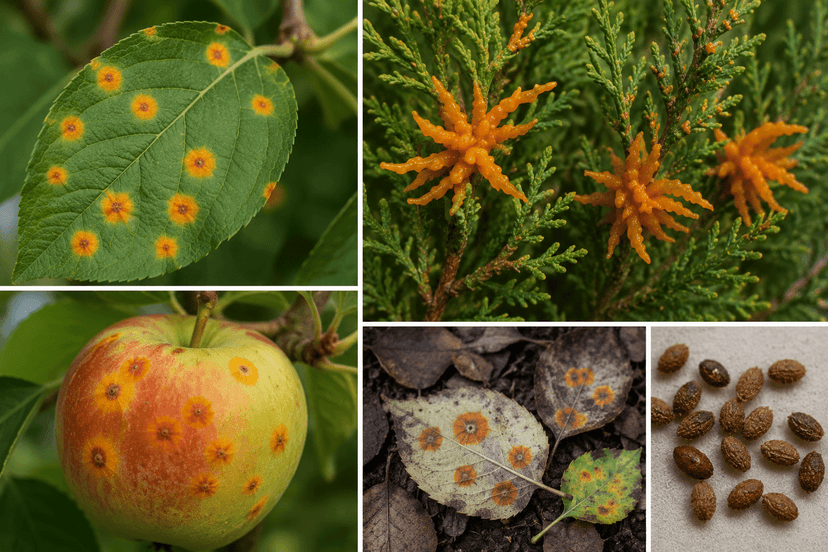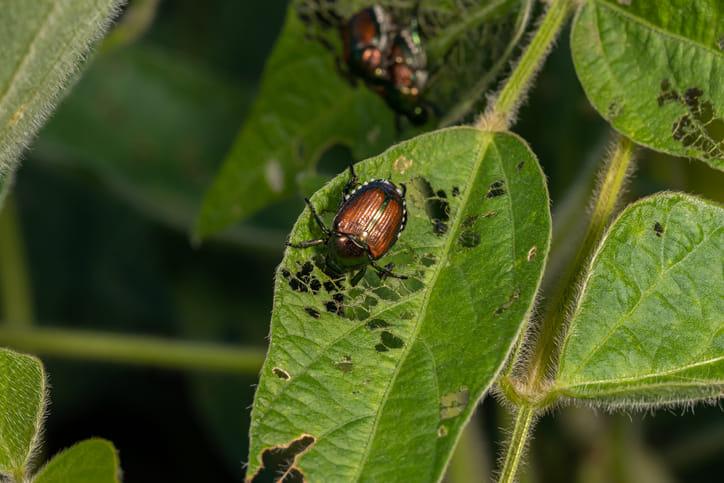
Pest outbreaks are not random. Most pests respond strongly to temperature, humidity, rainfall, and wind. A sudden spell of warm humid weather can trigger whitefly or aphid explosions within days, while heavy rain can drown soil pests. Understanding these patterns helps farmers spray at the right time and avoid waste.
Why Weather Drives Pest Outbreaks
Insects are cold-blooded. Their development, reproduction, and survival depend directly on the environment. Even a 2 to 3 °C rise can double pest generations in a season. Humidity affects fungal pathogens, while wind helps insects migrate long distances. Pest forecasting based on weather is one of the most cost-effective parts of modern IPM.
1. Temperature and Pest Activity
- Most insect pests grow fastest between 25 and 32 °C.
- Above 38 °C, mites multiply quickly while many leaf-feeding insects slow down.
- Below 15 °C, aphids on mustard, wheat, and vegetables become very active.
- Sudden warm spells after winter trigger early outbreaks of aphids, whiteflies, and thrips.
2. Humidity and Disease Vectors
- Humidity above 80 percent for over 10 hours favours fungal diseases like blast, blight, and downy mildew.
- Whiteflies and aphids spread viral diseases more rapidly in warm humid weather.
- Continuous leaf wetness during flowering causes severe yield loss in grapes, paddy, and tomato.
3. Rainfall Patterns
- Light, frequent showers favour leaf-spot diseases and bacterial blights.
- Heavy continuous rain washes off insecticide and fungicide deposits, reducing protection.
- Drought followed by sudden rain causes nutrient imbalance and stress, opening doors to secondary pests.
- Heavy rain can drown surface-feeding caterpillars but creates ideal conditions for slugs, snails, and stem rot.
4. Wind and Migration
- Aphids, whiteflies, and thrips are carried hundreds of kilometres by wind.
- Locusts and armyworms migrate with wind currents.
- Spray drift during windy conditions also affects neighbouring fields and operator safety.
Common Weather–Pest Linkages in Indian Crops
|
Crop |
Weather Condition |
Pest / Disease Risk |
|---|---|---|
|
Paddy |
Cloudy, humid |
Blast, BPH, sheath blight |
|
Wheat |
Cool, dry |
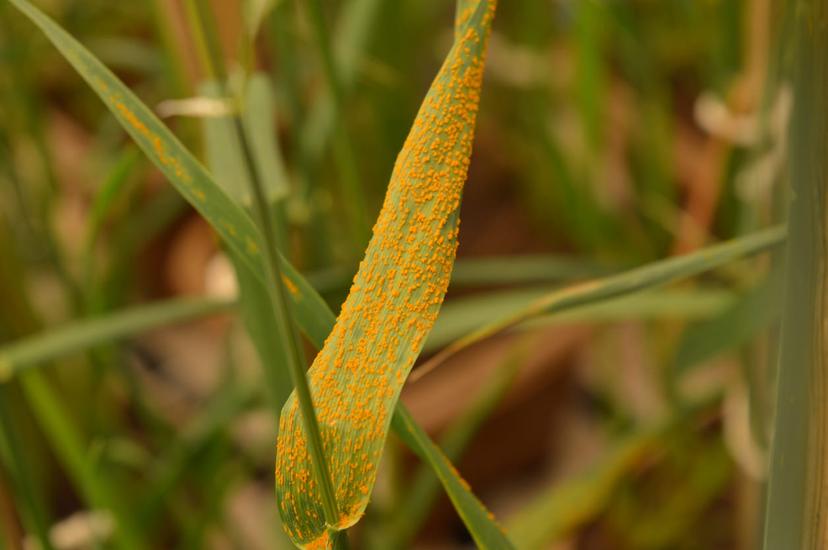
Aphids, rust |
|
Cotton |
Warm, dry |
Whitefly, mealybug, mites |
|
Tomato/Chilli |
Hot, humid |
Whitefly, thrips, leaf curl virus |
|
Mustard |
Cool, foggy |
Aphids, white rust |
|
Grapes |
Continuous wet leaves |
Downy mildew, anthracnose |
|
Mango |
Cloudy, humid |
Hopper, powdery mildew |
How to Use Weather-Based Pest Advisories
- Follow IMD agromet advisories and Kisan Suvidha app alerts.
- Listen to KVK weekly bulletins.
- Subscribe to your state agriculture department's SMS/WhatsApp advisories.
- Combine forecasts with field scouting before deciding on a spray.
Practical Tips for Farmers
- Walk through the field at least twice a week, more often after weather shifts.
- Install yellow and blue sticky traps and pheromone traps to monitor pest counts.
- Spray protectant fungicide before forecasted rain rather than after.
- Stop spraying if wind speed is above 10 km/h.
- Plan irrigation to avoid creating wet, dense canopy in humid weather.
Conclusion
Weather is one of the strongest pest triggers in Indian farming. Watching daily temperature, humidity, and rainfall helps predict outbreaks before they happen. Combine weather forecasts with field scouting and consult your local KVK for region-specific advisories.