A garden trowel may look like a simple hand tool, but it can make a huge difference in how efficiently and comfortably you plant, dig, transplant, and maintain your garden. Whether you’re filling containers, loosening soil, or setting seedlings into the ground, knowing how to use a garden trowel properly helps you work faster, protect your plants, and reduce strain on your hands.
In this guide, you’ll learn how to use a garden trowel effectively, what tasks it’s best for, and how to clean and maintain it so it lasts for years. If you garden regularly, this is one tool worth mastering.
What Is a Garden Trowel?
A garden trowel is a small handheld tool with a pointed, scoop-shaped metal blade and a handle designed for gripping and control. It is one of the most versatile tools in any gardener’s kit. Unlike larger digging tools, a trowel gives you precision, making it ideal for working in tight spaces, pots, raised beds, and delicate planting areas.
You can use a garden trowel for:
- Digging small holes for plants and bulbs
- Transplanting seedlings and flowers
- Mixing soil and amendments
- Removing weeds
- Scooping potting mix into containers
- Loosening compacted soil around roots
How to Use a Garden Trowel Correctly
Using a garden trowel is straightforward, but the right technique helps you avoid damaging roots and makes the job easier on your hands and wrists.
1. Choose the Right Trowel for the Job
Not all garden trowels are the same. Some are narrow and pointed for precise digging, while others have wider blades for scooping soil. A trowel with measurement markings on the blade can also be helpful when planting at consistent depths.
For best results, look for a trowel that feels comfortable in your hand and has a sturdy blade made from stainless steel or another rust-resistant material.
2. Hold It Firmly but Relaxed
Grip the handle securely, but don’t squeeze too hard. A relaxed grip gives you better control and reduces fatigue, especially during longer gardening sessions. If your trowel has an ergonomic handle, use the shape to guide your hand naturally.
3. Angle the Blade Into the Soil
When digging, place the blade tip into the soil at a slight angle and press downward. Use your body weight rather than forcing it with your wrist. This is especially useful in firmer or dry soil. Rock the trowel gently back and forth to loosen soil before lifting it out.
4. Use the Blade to Lift and Scoop
Once the soil is loosened, use the trowel like a mini shovel to lift soil out of the hole or move potting mix into a container. The curved blade helps contain the material so you can work cleanly and efficiently.
5. Be Careful Around Roots
When transplanting, dig a little wider and deeper than the root ball so you can move the plant without disturbing the roots too much. If you encounter roots while weeding or digging, avoid yanking. Instead, gently loosen the surrounding soil and lift the root mass out carefully.
Tip: A garden trowel is best used with slow, controlled movements. Precision matters more than force, especially when planting or transplanting delicate seedlings.
Best Ways to Use a Garden Trowel in the Garden
Planting Flowers, Herbs, and Vegetables
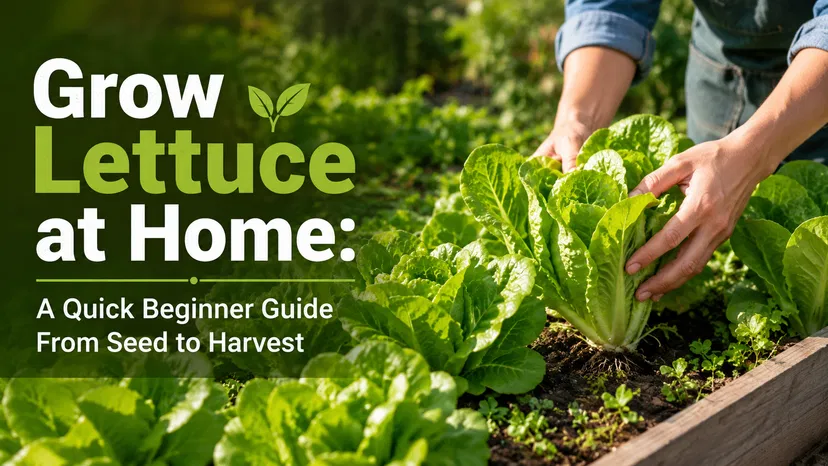
A garden trowel is perfect for making planting holes in flower beds, herb gardens, and vegetable patches. Dig a hole slightly larger than the plant’s root ball, place the plant inside, and backfill with soil using the trowel. Press the soil gently to remove air pockets.
Transplanting Seedlings
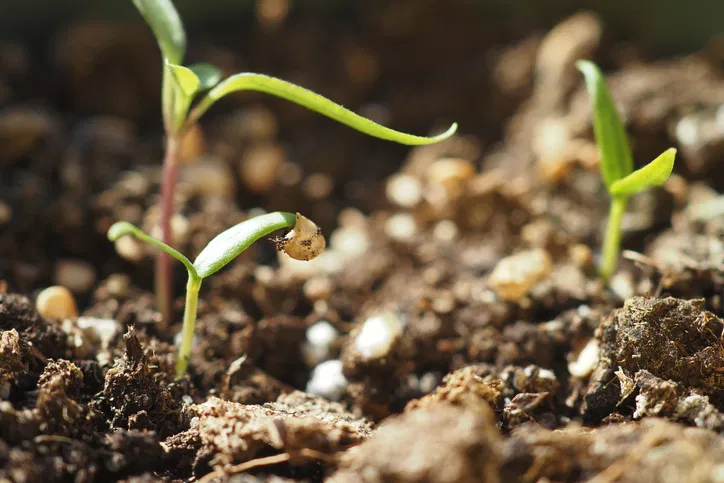
Seedlings are fragile, so a trowel helps you move them with minimal root disturbance. Slide the blade into the soil around the seedling, lift it carefully, and move it to the prepared spot. Water immediately after transplanting to help the roots settle.
Weeding
For weeds with shallow roots, a trowel can help you pry them out from the base. Insert the blade near the weed and loosen the soil underneath until the root comes free. This method works especially well for weeds growing in flower beds or between pavers.
Container Gardening
If you grow plants in pots, a garden trowel makes it easy to scoop potting soil into containers without making a mess. It’s also useful when refreshing old soil, repotting plants, or mixing in compost and fertilizer.
Common Mistakes to Avoid
Even a simple tool can be misused. Avoid these common garden trowel mistakes to protect both your plants and your tool.
- Using too much force: This can bend the blade or strain your wrist.
- Digging in very dry, hard soil: Moisten the soil first if possible to make digging easier.
- Ignoring the handle grip: An uncomfortable handle can cause blisters and hand fatigue.
- Leaving soil on the blade: Dirt left on the metal can trap moisture and lead to rust.
- Using the trowel as a pry bar: It’s not designed for heavy-duty leverage and may break.
How to Clean a Garden Trowel
Cleaning your garden trowel after each use keeps it in good working condition and prevents rust, dirt buildup, and plant disease spread.
- Rinse off loose soil with water.
- Use a brush or sponge to remove stuck-on dirt.
- If needed, wash with mild soap and water.
- Dry the blade thoroughly with a cloth.
- Check for any sap, rust spots, or damage before storing.
If you’ve been working with diseased plants, disinfect the blade with rubbing alcohol or a diluted bleach solution before using it again on healthy plants.
Garden Trowel Maintenance Tips
Proper maintenance extends the life of your trowel and keeps it performing well season after season.
Keep the Blade Rust-Free
After cleaning, make sure the blade is completely dry. Store it in a dry place and apply a light coat of oil if your trowel is made of carbon steel or another rust-prone metal. This adds a protective barrier against moisture.
Sharpen the Edges When Needed
Some trowels benefit from occasional sharpening, especially if the edge has become dull from heavy use. A sharper blade cuts into soil more easily and reduces the effort needed for digging.
Inspect the Handle
Check the handle for cracks, looseness, or wear. A damaged handle can make the tool unsafe or uncomfortable to use. If the handle is wooden, sanding it lightly and applying a protective oil can help preserve it.
Store It Properly
Hang your trowel or place it in a tool rack instead of tossing it into a damp pile of equipment. Good storage prevents damage and keeps the blade from becoming bent or dull.
Choosing the Right Garden Trowel
If you don’t already own one, choosing the right garden trowel can make gardening more enjoyable. Look for these features:
- Durable blade: Stainless steel or carbon steel for strength and longevity
- Comfortable handle: Ergonomic grip to reduce hand fatigue
- Blade markings: Helpful for planting at specific depths
- Balanced weight: Easier to control during repetitive use
- Rust resistance: Important for outdoor tools exposed to moisture
Final Thoughts on How to Use a Garden Trowel
Learning how to use a garden trowel properly is one of the easiest ways to improve your gardening experience. From planting and transplanting to weeding and container work, this small tool offers big value when used with care and technique.
Just as important as the way you use it is how you clean and maintain it. A well-cared-for trowel will stay sharp, rust-free, and ready for every season. Treat it well, and it will become one of the most dependable tools in your garden.
Ready to get more from your gardening tools? Start by checking your trowel today, clean it if needed, and put these tips into practice on your next planting project.