Biopesticides can be highly effective tools for managing pests, but only if they are stored correctly. Unlike many conventional chemicals, biopesticides often contain living organisms or natural compounds that can degrade quickly when exposed to heat, light, moisture, or poor handling. If storage conditions are off, their performance can drop fast, wasting money and reducing crop protection.
Whether you use microbial biopesticides, botanical extracts, or other biological pest control products, proper storage is essential for preserving shelf life and maintaining product quality. Here's how to store biopesticides to keep them effective from the day they arrive until the day you apply them.
Why Proper Biopesticide Storage Matters
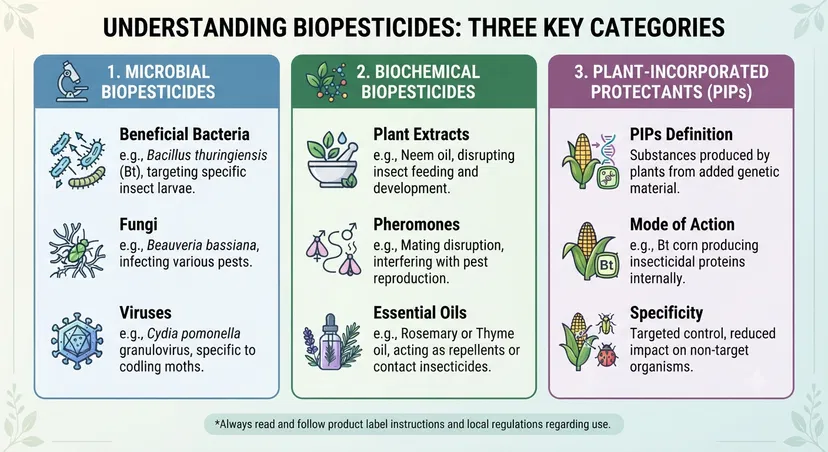
Biopesticides are not all the same, but many are more sensitive than synthetic pesticides. Some contain beneficial bacteria, fungi, viruses, or nematodes. Others are derived from plant compounds or natural metabolites. These active ingredients can lose viability or break down if exposed to unfavorable conditions.
Proper storage helps:
- Preserve active ingredient strength
- Maintain shelf life
- Prevent product contamination
- Reduce waste and product failure
- Ensure better pest control results in the field
A well-stored product is far more likely to perform as expected. A poorly stored one may be weakened long before the expiration date.
Always Read the Product Label First
Before storing any biopesticide, check the manufacturer's label and safety instructions. Storage recommendations can vary depending on the product type, formulation, and active ingredient. Some products require refrigeration, while others must be kept at room temperature in a dry place.
Look for details such as:
- Recommended storage temperature
- Humidity requirements
- Light exposure restrictions
- Expiration date or use-by date
- Handling precautions after opening
If the label includes specific directions, follow them exactly. The manufacturer's guidance is the best source for protecting product integrity.
Store Biopesticides at the Right Temperature
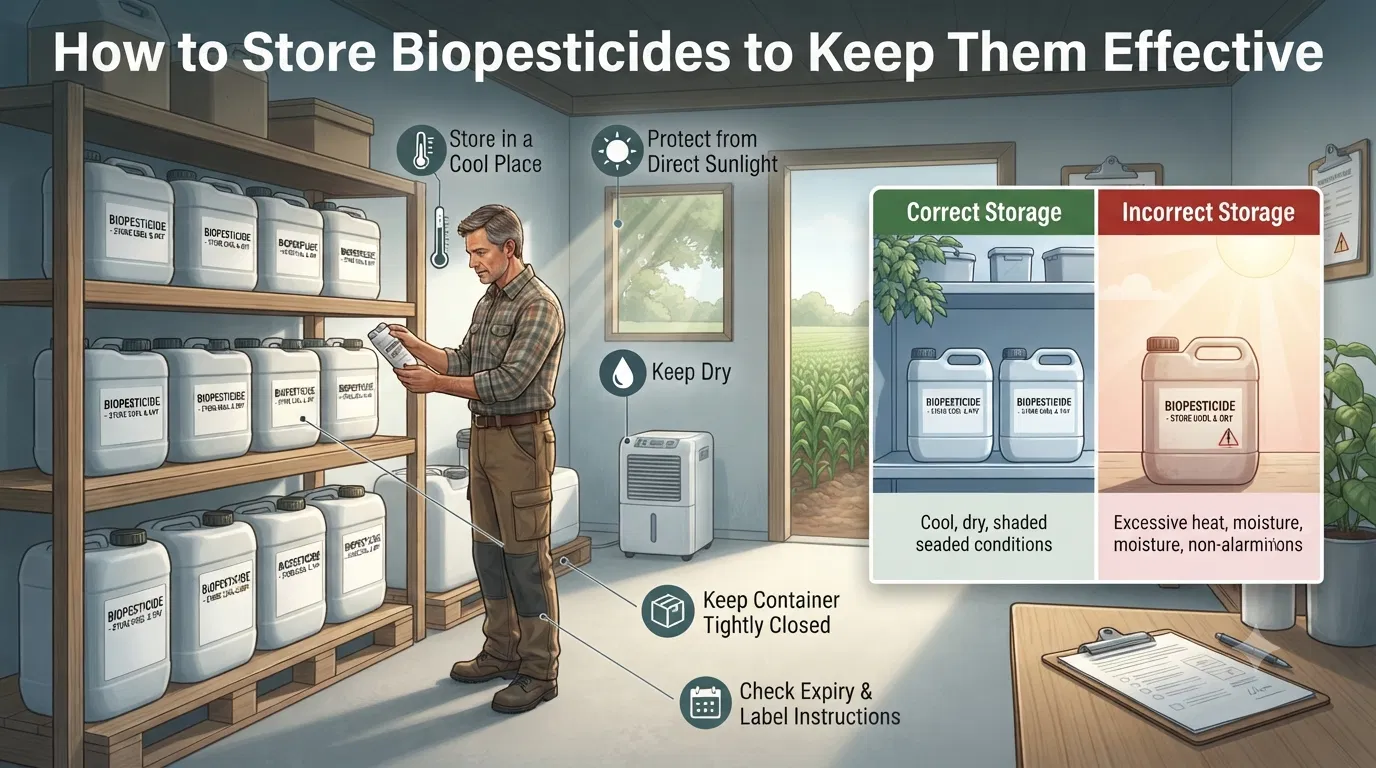
Temperature is one of the most important factors in biopesticide storage. Too much heat can kill beneficial microbes or degrade natural ingredients. Freezing can also damage some formulations, causing separation or loss of activity.
In general, keep biopesticides in a cool, stable environment unless the label says otherwise. Avoid places where temperatures fluctuate widely, such as sheds, greenhouses, vehicle cabs, or uninsulated storage rooms.
Best temperature practices include:
- Store products in a climate-controlled room when possible
- Avoid direct sunlight and heat sources
- Do not leave products in hot vehicles
- Prevent freezing unless freezing is specifically allowed
For refrigerated biopesticides, use a dedicated storage refrigerator if possible. Keep the temperature consistent and avoid overcrowding, which can block airflow.
Protect Products from Moisture and Humidity
Moisture can cause serious problems for biopesticides, especially dry formulations, powders, and granules. Excess humidity may lead to clumping, contamination, or premature degradation. In the case of microbial products, moisture can reduce viability before application.
To control moisture exposure:
- Keep containers tightly sealed when not in use
- Store products in a dry room with low humidity
- Avoid placing containers directly on damp floors
- Do not store near sinks, irrigation equipment, or wash stations
If a package has been opened, reseal it carefully after each use. For products that come in resealable bags or bottles, remove excess air if possible and close lids or caps tightly.
Keep Biopesticides Away from Light
Many biopesticides are sensitive to UV light and prolonged exposure to bright light. Sunlight can break down active ingredients and shorten shelf life, especially for liquid formulations and botanical extracts.
Store containers in a dark cabinet, closed shelf, or opaque storage bin if the label permits. If products are kept in transparent packaging, make sure they are not exposed to direct sunlight or strong artificial light for long periods.
Simple rule: if the product label says "store away from light," take that instruction seriously.
Separate Biopesticides from Contaminants
Biopesticides should be stored away from chemicals, fertilizers, fuels, and cleaning agents that could contaminate them. Strong odors, vapors, or spills can affect product quality and safety. Cross-contamination can also happen if containers are stored improperly.
Good storage separation includes:
- Keeping biopesticides in their original containers
- Storing them on dedicated shelves
- Avoiding contact with herbicides, fungicides, and insecticides unless intended and compatible
- Keeping food, feed, and animal products far away
Never transfer a biopesticide into an unmarked container. Original packaging contains critical information such as batch numbers, usage directions, and expiration dates.
Use First-In, First-Out Inventory Management
Even when stored properly, biopesticides do not last forever. That's why inventory rotation matters. Use the oldest products first and keep newer stock behind or below older stock so nothing gets forgotten and expires on the shelf.
A simple first-in, first-out system helps you:
- Reduce product waste
- Track expiration dates more easily
- Maintain better product quality
- Improve planning for pest control applications
Label shelves or containers with purchase dates if needed. Regular inventory checks can prevent outdated or damaged biopesticides from being used by mistake.
Handle Opened Products with Extra Care
Once a biopesticide container is opened, the risk of contamination and degradation increases. Air, moisture, and repeated handling can all affect product performance. Some microbial products may lose viability faster after opening, especially if stored inconsistently.
To protect opened containers:
- Close lids immediately after use
- Wipe off residue around caps or seals
- Use clean measuring tools
- Minimize exposure to air and moisture
- Follow any special "use after opening" instructions on the label
If the product changes color, develops an unusual odor, separates unusually, or clumps badly, check the label and contact the manufacturer before using it.
Maintain Clean Storage Conditions
A clean storage space supports product stability and safety. Dust, pests, spills, and debris can all interfere with proper biopesticide storage. Keep shelves organized and inspect the area regularly for signs of leaks, damage, or contamination.
Best practices for clean storage include:
- Wiping shelves and surfaces regularly
- Checking containers for cracks or leaks
- Removing expired products promptly
- Keeping the area free from insects and rodents
- Storing products off the floor and away from walls when recommended
A clean, organized storage area also makes it easier to find products quickly and reduce handling mistakes.
Watch the Expiration Date and Product Condition
Biopesticides can lose effectiveness over time, even if the package is unopened. Expiration dates matter because they reflect the period during which the product is expected to remain stable and effective under proper storage conditions.
Before use, check:
- Expiration or best-by date
- Packaging integrity
- Signs of separation, swelling, or leakage
- Changes in texture, smell, or appearance
If you are unsure whether a product is still viable, do not assume it is safe to use. Contact the manufacturer or distributor for guidance.
Transport Biopesticides Carefully
Storage does not begin and end in the warehouse. Transporting biopesticides in poor conditions can damage them before they ever reach storage. Heat, freezing, vibration, and rough handling all affect product quality.
During transport:
- Keep products in a temperature-controlled environment
- Avoid leaving them in direct sun
- Protect them from crushing or tipping
- Move them to proper storage as soon as possible
If a delivery has been delayed or exposed to extreme conditions, inspect the product carefully before storing or using it.
Final Thoughts on Biopesticide Storage
Knowing how to store biopesticides properly is just as important as knowing how to apply them. The right temperature, low humidity, limited light exposure, clean handling, and careful inventory control can all help preserve product effectiveness and shelf life.
When in doubt, follow the label, keep products in their original containers, and store them in a stable, protected environment. A little extra attention in storage can make a major difference in field performance.
For the best results, treat biopesticide storage as a key part of your pest management strategy, not an afterthought.