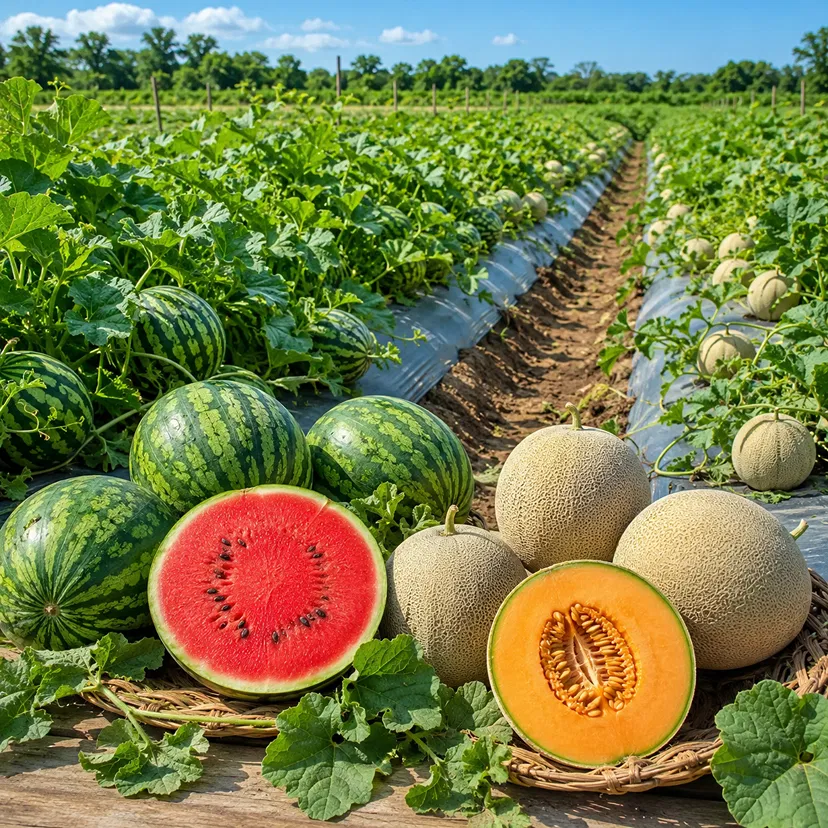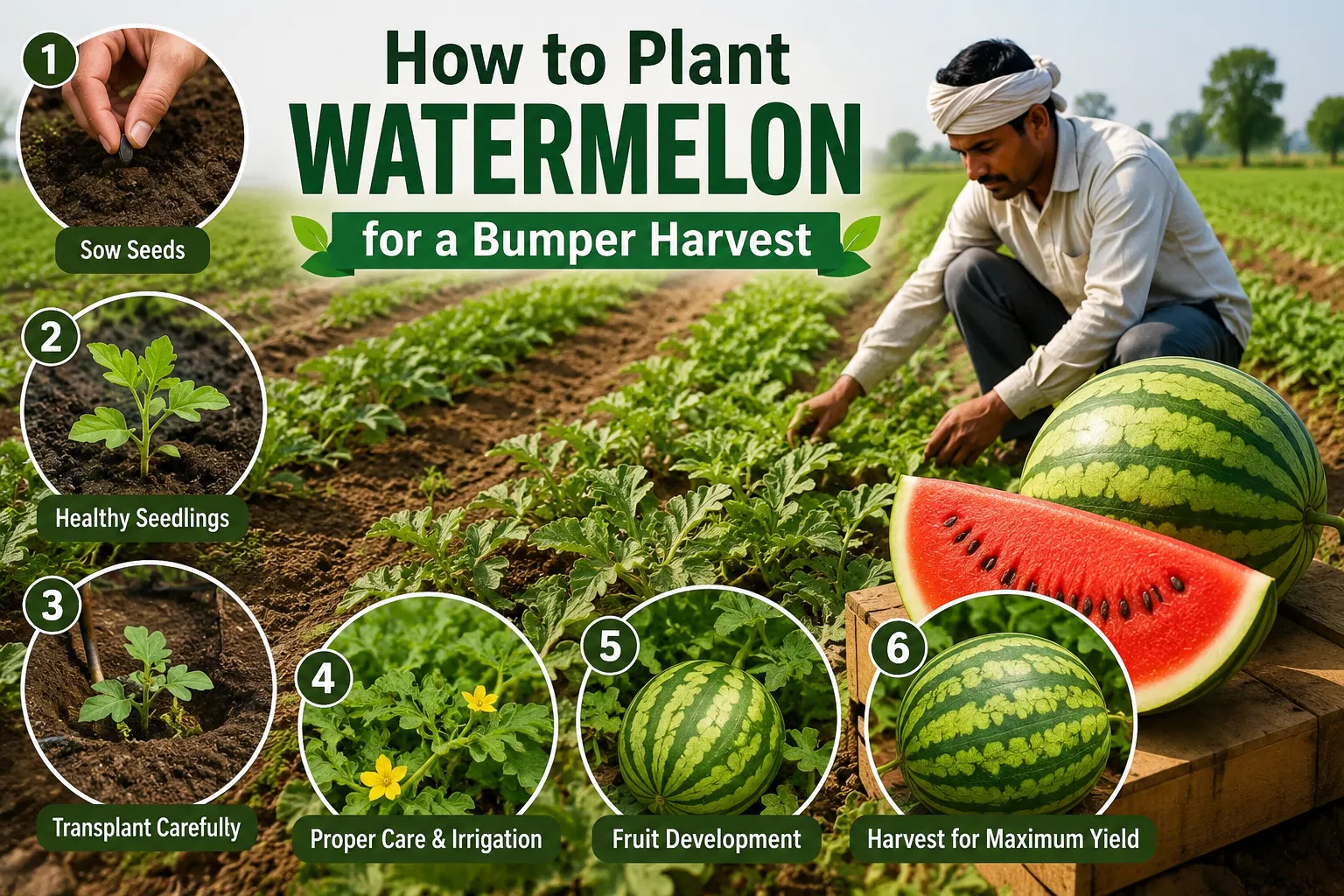
Nothing beats the satisfaction of slicing into a sweet, homegrown watermelon on a hot day. But getting that big, juicy harvest starts long before the fruit ripens. If you want the best results, you need the right planting timing, soil preparation, spacing, and care from the very beginning. Plant watermelon the right way, and you can enjoy vigorous vines, healthy blossoms, and fruit that tastes far better than anything from the store.
Choose the Right Watermelon Variety
Before you plant, pick a variety that suits your climate, garden space, and harvest goals. Watermelons come in many shapes and sizes, from compact bush types to giant classic melons.
- Small-space gardeners: Choose compact or bush varieties.
- Short growing seasons: Select early-maturing types.
- Big harvest lovers: Go for large heirloom or hybrid varieties with strong disease resistance.
Look for varieties labeled as disease-resistant, especially if your area has issues with powdery mildew, fusarium wilt, or anthracnose. A good variety makes a big difference in how easily you can grow watermelon successfully.
Pick the Best Planting Time
Watermelon is a warm-season crop that thrives in heat. Cold soil can slow germination and weaken young plants, so timing matters.
Plant watermelon seeds or transplants only after the last frost date, when soil temperatures reach at least 70°F. In cooler climates, using black plastic mulch or row covers can help warm the soil faster and protect young plants.
Tip: Watermelon grows best when daytime temperatures stay between 70°F and 90°F. Warm soil and plenty of sunshine are key to strong vines and sweet fruit.
Prepare the Soil for Strong Growth
Healthy soil is the foundation of a bumper harvest. Watermelon plants need loose, fertile, well-draining soil so their roots can spread easily.
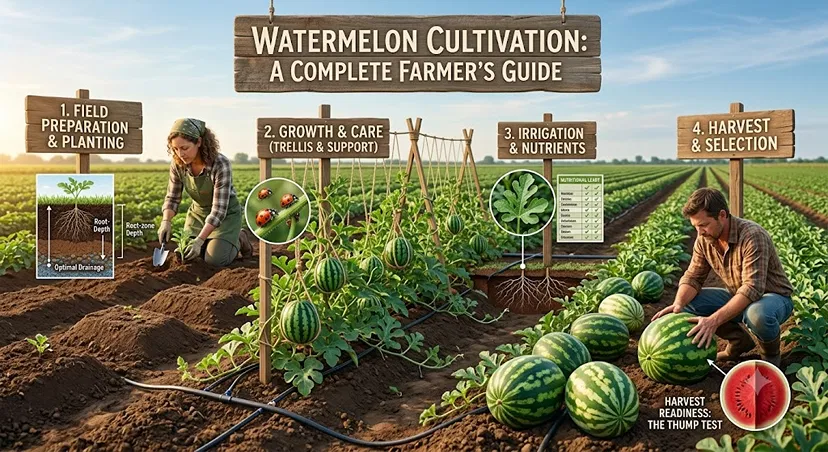
Start by choosing a full-sun location that gets at least 6 to 8 hours of direct sunlight each day. Then enrich the soil with plenty of organic matter such as compost or well-rotted manure. This improves fertility and moisture retention while keeping the soil light enough for root development.
Ideal Soil Conditions
- pH: Slightly acidic to neutral, around 6.0 to 6.8
- Texture: Sandy loam or amended garden soil
- Drainage: Excellent drainage to prevent root rot
If your soil is heavy clay, raise the planting area with mounds or hills. Watermelons dislike soggy roots, and raised planting areas help excess water drain away.
Plant Watermelon Seeds or Transplants Correctly
You can grow watermelon from seed directly in the garden or start with transplants. Direct sowing is often best because watermelon roots don’t always like being disturbed. However, transplants can give you a head start in shorter growing seasons.
How to Plant Seeds
- Form small hills or mounds in the garden.
- Plant 3 to 4 seeds per hill about 1 inch deep.
- Space hills 4 to 6 feet apart for smaller varieties and 6 to 8 feet apart for larger types.
- After seedlings emerge, thin to the strongest 2 plants per hill.
How to Plant Transplants
- Harden off seedlings before planting them outdoors.
- Set them in the garden when all danger of frost has passed.
- Plant at the same depth they were growing in containers.
- Water gently after transplanting to settle the soil.
Whether you use seeds or transplants, give each plant enough room to sprawl. Crowded vines compete for nutrients, sunlight, and air circulation, which can reduce fruit size and increase disease risk.
Water the Right Way
Watermelon plants need consistent moisture, especially while they are young and during fruit development. But too much water can lead to weak growth and bland fruit.
Water deeply once or twice a week rather than giving frequent shallow watering. This encourages deeper roots and stronger plants. Aim to keep the soil evenly moist, not waterlogged.
Once fruits begin to ripen, reduce watering slightly. Too much moisture near harvest can dilute sweetness and cause fruits to split.
- Best practice: Water at the base of the plant
- Avoid: Wetting the leaves excessively
- Helpful tool: Drip irrigation or soaker hoses
Feed Watermelon for Bigger Fruit
Watermelons are heavy feeders. To support fast vine growth and fruit production, they need the right nutrients at the right time.
Before planting, mix compost into the soil. Once vines begin growing, apply a balanced fertilizer. After flowers and fruit start forming, shift to a fertilizer lower in nitrogen and higher in phosphorus and potassium. Too much nitrogen can create lots of leaves but fewer melons.
Remember: The goal is healthy vines first, then fruit. Too much fertilizer, especially nitrogen, can delay flowering and reduce your harvest.
Encourage Pollination
Watermelons rely on pollinators like bees to transfer pollen between male and female flowers. Without good pollination, fruits may be misshapen or fail to develop fully.
To attract pollinators, avoid spraying insecticides during bloom time and grow pollinator-friendly flowers nearby. If bee activity is low, you can hand-pollinate using a small brush or by transferring pollen from male to female flowers early in the morning.
The female flower is easy to spot because it has a tiny swelling at its base that looks like a baby watermelon.
Mulch and Weed Regularly
Weeds compete with watermelon plants for water and nutrients, so keep the area clean. Apply mulch around plants to conserve moisture, suppress weeds, and regulate soil temperature.
Good mulch options include:
- Straw
- Grass clippings that are pesticide-free
- Shredded leaves
- Black plastic mulch for early season warmth
Mulching also helps keep fruit cleaner when melons rest on the soil surface. If needed, place cardboard or straw under developing fruit to reduce rot and pest damage.
Watch for Pests and Diseases
Healthy watermelon plants can still face problems from pests and disease. Keep a close eye on your vines so you can catch issues early.
Common Pests
- Aphids
- Cucumber beetles
- Squash bugs
- Spider mites
Common Diseases
- Powdery mildew
- Downy mildew
- Fusarium wilt
- Anthracnose
To reduce problems, rotate crops each year, avoid overhead watering, and provide plenty of space for airflow. Remove damaged leaves if disease appears, and choose resistant varieties whenever possible.
Know When Watermelons Are Ready to Harvest
One of the hardest parts of growing watermelon is knowing when to pick it. Unlike some fruits, watermelons do not ripen much after harvest, so timing is important.
Watch for these signs:
- The curly tendril near the fruit stem turns brown and dries up
- The underside of the melon changes from white to creamy yellow
- The rind looks dull instead of shiny
- The melon sounds deep and hollow when tapped
Harvest with a sharp knife or pruners, leaving a short stem attached. Handle melons carefully to avoid bruising.
Final Tips for a Bumper Watermelon Harvest
If you want a truly impressive watermelon harvest, focus on the basics: warm soil, full sun, proper spacing, deep watering, and steady feeding. Add in good pollination and pest control, and your plants will have everything they need to produce abundant, flavorful fruit.
Watermelon growing rewards patience, but the payoff is worth it. Start with healthy soil, give the vines room to spread, and pay attention throughout the season. With the right care, you can enjoy a bumper harvest of sweet, juicy watermelons straight from your own garden.
Ready to grow your best melons yet? Start planning your planting site now and give your watermelon crop the strong beginning it deserves.