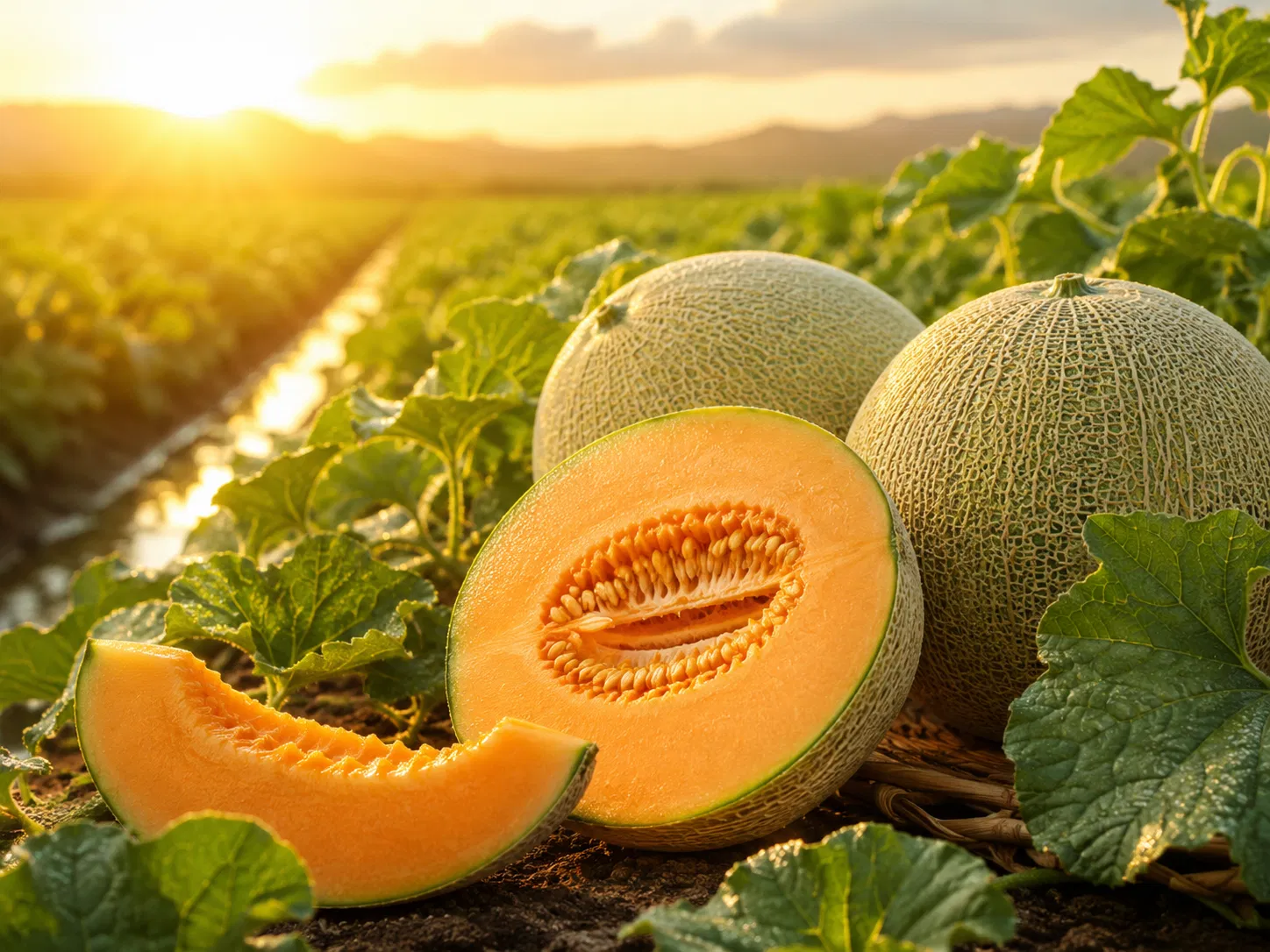
If you’ve ever bitten into a melon that looked perfect but tasted bland, you already know the difference between appearance and true sweetness. The secret to growing sweeter melons isn’t luck—it’s understanding Brix, managing plant stress the right way, and giving your melons the ideal conditions to build sugar. With the right approach, you can grow melons that are juicy, fragrant, and packed with flavor.
What Is Brix and Why Does It Matter?
Brix is a measurement of dissolved sugars and other soluble solids in fruit juice. In simple terms, it’s one of the best indicators of melon sweetness. Higher Brix usually means a sweeter, more flavorful melon.
While Brix doesn’t measure sweetness alone, it is widely used by growers, chefs, and produce buyers to evaluate fruit quality. For home gardeners, it’s a useful guide for improving flavor and choosing the best harvest time.
Higher Brix often equals better taste, but sweetness also depends on variety, ripeness, growing conditions, and harvest timing.
Choose the Right Melon Variety
The journey to sweeter melons begins before planting. Some varieties naturally develop higher sugar levels than others, so variety selection matters more than many gardeners realize.
Look for melon types known for excellent flavor, such as:
- Cantaloupe varieties bred for aroma and sweetness
- Honeydew types with strong sugar potential
- Watermelon cultivars selected for high Brix and crisp texture
- Heirloom melons known for rich, complex flavor
Read seed descriptions carefully and look for words like sweet, high sugar, excellent flavor, and aromatic. A great variety gives you the best possible starting point.
Grow in Full Sun for Maximum Sugar Production
Melons are sun-loving crops, and sweetness depends heavily on sunlight. Plants use sunlight to photosynthesize and produce sugars, which are later stored in the fruit.
For best results, plant melons in a location that receives at least 8 hours of direct sunlight per day. More sunlight generally supports stronger vines and sweeter fruit.
If possible, avoid shade from trees, fences, or nearby crops. Even partial shade can reduce Brix and slow ripening.
Focus on Soil Health
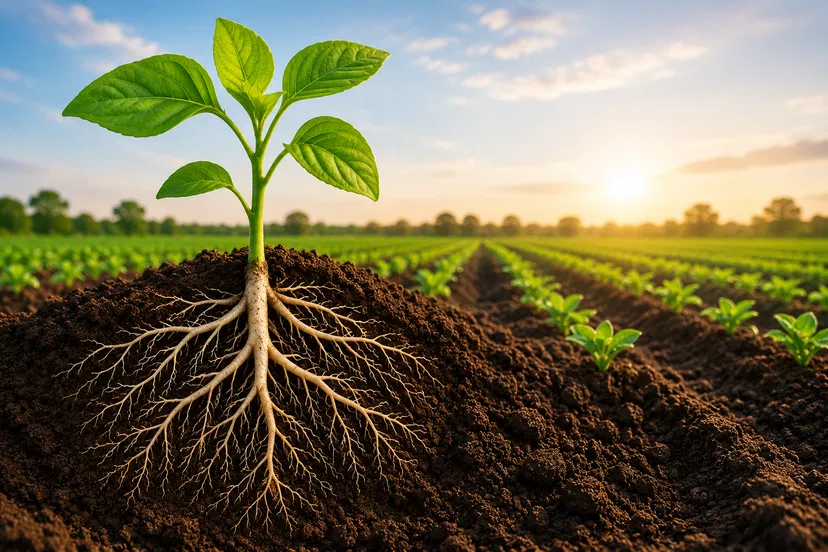
Healthy soil creates healthier vines, and healthier vines produce better fruit. Melons prefer soil that is fertile, loose, and well-draining. Compacted or nutrient-poor soil can limit root growth and reduce flavor quality.
To improve soil for sweeter melons:
- Add compost before planting to increase organic matter
- Ensure good drainage to prevent root stress from waterlogging
- Maintain a slightly acidic to neutral soil pH, ideally around 6.0 to 6.8
- Use a balanced soil test to identify nutrient gaps
Melons need good access to nutrients, but too much nitrogen can cause excessive leafy growth at the expense of fruit sweetness. Aim for balance, not overfeeding.
Use Fertilizer Carefully
One of the most common mistakes growers make is applying too much nitrogen. While nitrogen helps vines grow, too much of it can lead to oversized plants with watery, less flavorful melons.
For sweeter melons, focus on feeding in a way that supports fruit development rather than endless vine growth.
Best Fertilizer Tips for Sweet Melons
- Use a fertilizer with moderate nitrogen and higher potassium once flowering begins
- Avoid heavy feeding late in the season
- Follow soil test recommendations whenever possible
- Do not over-apply synthetic fertilizers
Potassium is especially important because it supports sugar movement within the plant and helps improve fruit quality.
Water Strategically to Increase Sweetness
Water management plays a major role in melon flavor. Too much water near harvest can dilute sugars, while too little water too early can weaken the plant. The goal is consistent moisture during early growth, followed by slightly reduced watering as fruit matures.
Here’s a simple approach:
- Water deeply during establishment so roots grow well
- Keep soil evenly moist during flowering and early fruit set
- Reduce watering slightly as melons approach ripeness
Be careful not to stress plants excessively. Mild water restriction near the final stage of ripening can sometimes help concentrate sugars, but severe drought can reduce fruit size and quality.
Give Plants Room to Grow
Melons need space for vines to spread and leaves to capture sunlight. Crowded plants compete for light, water, and nutrients, which can lower fruit quality and sweetness.
Space your plants according to the variety, and keep vines trained or contained if necessary. Good airflow also helps reduce disease, keeping the plant healthy long enough to ripen high-sugar fruit.
Pollination Matters More Than You Think
Proper pollination helps melons develop evenly and reach full size. Poorly pollinated fruit may be misshapen, slow to mature, or less flavorful. More complete pollination often leads to better seed development and improved fruit growth.
To encourage strong pollination:
- Attract bees with flowering plants nearby
- Avoid spraying insecticides during bloom
- Hand-pollinate if bee activity is low
When flowers are well pollinated, the plant can direct energy toward producing a sweet, fully formed melon.
Know When to Harvest for Peak Brix
Harvest timing is one of the biggest factors in melon sweetness. Even a well-grown melon can taste disappointing if picked too early. Unlike some fruits, melons do not always improve much after harvest.
Signs of ripeness vary by type, but common indicators include:
- Strong aroma, especially in cantaloupes
- Color change on the rind or ground spot
- Easy separation from the vine in some varieties
- Full fruit size with a slightly softened blossom end
If possible, use a refractometer to measure Brix directly. This gives you a more accurate picture of sugar content and helps you harvest at the best time.
Reduce Stress the Right Way
Some controlled stress can help concentrate sugars, but only when the plant is already healthy. The idea is to encourage the plant to shift from vegetative growth to fruit ripening without pushing it into decline.
Helpful forms of mild stress include:
- Gradually reducing water near harvest
- Preventing excessive nitrogen late in the season
- Allowing fruit to ripen fully on the vine
Unhelpful stress includes disease, root damage, severe drought, nutrient deficiency, and overcrowding. Healthy stress management is about precision, not neglect.
Simple Checklist for Sweeter Melons
If you want the quickest path to better flavor, keep this checklist in mind:
- Choose a naturally sweet variety
- Plant in full sun
- Build rich, well-draining soil
- Avoid excess nitrogen
- Water consistently, then ease off near harvest
- Support pollination
- Harvest at peak ripeness
Final Thoughts on Growing Sweet Melons
Growing sweeter melons is all about balance. The best fruit comes from strong sunlight, healthy soil, careful watering, smart fertilization, and perfect harvest timing. When you focus on Brix and the conditions that raise sugar content naturally, you dramatically improve your chances of growing melons that taste as good as they look.
Start with one or two improvements this season, then build from there. A little extra attention to variety, water, and ripeness can make the difference between average fruit and unforgettable sweetness. Grow for flavor, and your melons will reward you.