If you want stronger pest control without relying heavily on harsh chemicals, biopesticides can be a smart, targeted solution. But getting the best results is not just about buying the right product. It is about applying biopesticides at the right time, under the right conditions, and in the right way. When used correctly, biopesticides can protect crops, reduce pest pressure, and support a healthier growing system.
Whether you are managing a home garden, greenhouse, or commercial field, understanding how to apply biopesticides for best results can make the difference between a disappointing treatment and a highly effective one.
What Are Biopesticides?
Biopesticides are pest management products derived from natural materials such as microorganisms, plant extracts, minerals, or beneficial compounds. They are often used to control insects, weeds, fungi, and other plant diseases.
Unlike broad-spectrum synthetic pesticides, biopesticides are usually more specific in what they target. That makes them valuable in integrated pest management because they can help control pests while reducing harm to beneficial insects and the environment.
Choose the Right Biopesticide for the Problem
The first step to successful application is selecting the right product for the pest you are trying to control. Biopesticides are not one-size-fits-all. Some work best against chewing insects, while others target fungal diseases or soil-borne pests.
Before applying anything, identify:
- The pest species or disease present
- The crop or plant being treated
- The stage of infestation or infection
- Whether the product is preventive, curative, or suppressive
Read the label carefully. The label tells you exactly what the product is designed to do and where it should be used. Applying the wrong type of biopesticide often leads to weak results and wasted product.
Apply Early for Better Control
Timing is one of the most important factors in biopesticide effectiveness. Many biopesticides perform best when pests are caught early, before populations become severe. For fungal or bacterial disease control, preventive application is often more effective than waiting until symptoms are widespread.
In general, apply biopesticides when:
- Pest populations are small and actively growing
- Environmental conditions favor pest development
- Plants are at a vulnerable growth stage
- Weather is suitable for product activity
Early intervention often means less damage and fewer repeat applications.
Follow the Label Exactly
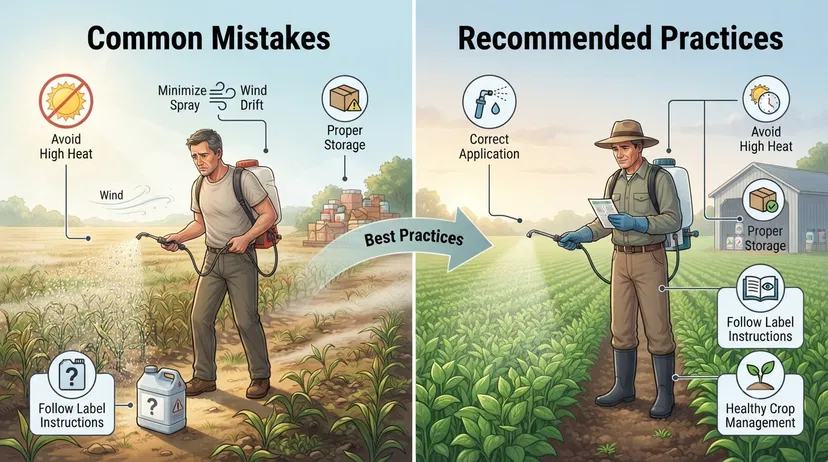
One of the biggest mistakes growers make is treating biopesticides like conventional pesticides and assuming more is better. In reality, label instructions are critical. The label provides the correct rate, dilution, application method, safety guidance, and reapplication interval.
Make sure to follow:
- Recommended dosage
- Mixing instructions
- Application frequency
- Pre-harvest intervals, if applicable
- Storage and handling requirements
Using too little may reduce effectiveness. Using too much can increase costs, affect plant health, or reduce product performance.
Use the Best Environmental Conditions
Biopesticides are often sensitive to temperature, sunlight, moisture, and wind. Applying them under poor conditions can reduce their activity before they even have a chance to work.
For best results, try to apply biopesticides when:
- Temperatures are moderate
- Wind is low to reduce drift
- Rain is not expected right away
- Sunlight is less intense, if the product is UV-sensitive
- Humidity is appropriate for the target pest or disease
For example, some microbial biopesticides work better when leaf surfaces remain moist long enough for the organisms to establish. Others may break down faster in strong sunlight, so evening or early morning applications can be more effective.
Ensure Good Coverage on the Target Area
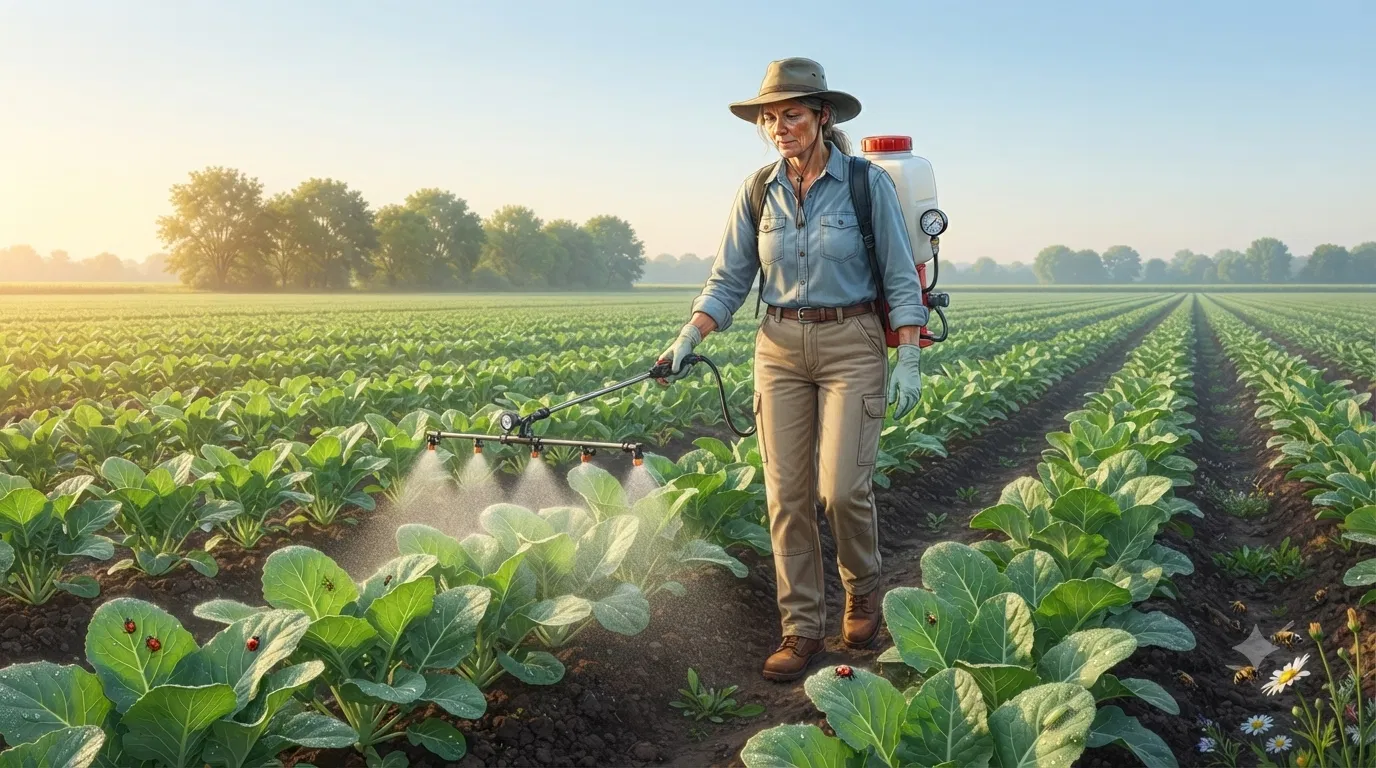
Even the best biopesticide will underperform if it does not reach the pest or infection site. Coverage matters. That means spraying the plant parts where pests feed, hide, or reproduce, including the undersides of leaves, stems, and fruit surfaces when necessary.
To improve coverage:
- Use properly calibrated equipment
- Choose the right nozzle for the application
- Maintain a consistent spray pattern
- Avoid spraying too quickly
- Adjust water volume to match crop density
For soil-applied biopesticides, make sure the product reaches the root zone or target soil layer. For foliar sprays, full leaf coverage is often essential.
Mix and Handle Products Correctly
Some biopesticides contain living microorganisms or delicate active ingredients that can be damaged by poor handling. Improper mixing can reduce effectiveness before the product is even applied.
Best practices include:
- Use clean water whenever possible
- Mix only the amount needed for immediate use
- Stir or agitate as directed to keep the product evenly suspended
- Avoid mixing incompatible products unless the label allows it
- Do not leave mixed solutions sitting too long before application
Tip: If you are tank-mixing biopesticides with fertilizers or other crop protection products, always check compatibility first. Some combinations can reduce performance or kill beneficial microbes.
Reapply When Needed
Biopesticides often work differently than conventional pesticides. Many have shorter residual activity, which means repeat applications may be necessary to maintain control. That does not mean they are less effective; it means they are designed to work as part of a planned treatment program.
Reapplication may be needed based on:
- Pest pressure
- Weather conditions
- Crop growth stage
- Label directions
- Observed field performance
Stay consistent and monitor results after each application. A treatment schedule based on scouting and label guidance usually delivers the strongest long-term outcome.
Integrate Biopesticides Into a Full Pest Management Plan
Biopesticides are most effective when used as part of integrated pest management, not as a stand-alone fix. Combining them with other practices can improve overall control and reduce the likelihood of recurring pest problems.
Helpful supporting practices include:
- Regular scouting and pest monitoring
- Crop rotation
- Sanitation and removal of infected material
- Using resistant plant varieties
- Managing irrigation and humidity
- Encouraging beneficial insects
This integrated approach helps reduce pest pressure and allows biopesticides to work more efficiently.
Store Biopesticides Properly
Proper storage is often overlooked, but it plays a major role in product performance. Heat, moisture, and sunlight can shorten shelf life or weaken active ingredients.
To protect product quality:
- Store in a cool, dry place
- Keep containers tightly sealed
- Avoid freezing unless the label allows it
- Keep out of direct sunlight
- Use older stock first
Always check expiration dates and storage instructions before applying any biopesticide.
Monitor Results and Adjust
After application, monitor the crop closely. Check whether pest numbers are declining, whether disease spread is slowing, and whether any signs of plant stress or residue issues appear. Biopesticides often require observation and adjustment to optimize performance.
Ask yourself:
- Did the product reach the target area?
- Were weather conditions favorable?
- Was the pest pressure too advanced?
- Do I need a follow-up treatment?
This kind of evaluation helps refine your approach and improves results over time.
Conclusion
Learning how to apply biopesticides for best results comes down to precision, timing, and consistency. Choose the right product, apply it early, follow the label, and make sure environmental and spray conditions support performance. When you combine biopesticides with good crop management and careful monitoring, they can become a powerful tool for sustainable pest control.
Take the time to apply biopesticides correctly, and you will give your plants the best chance for healthier growth and better protection.