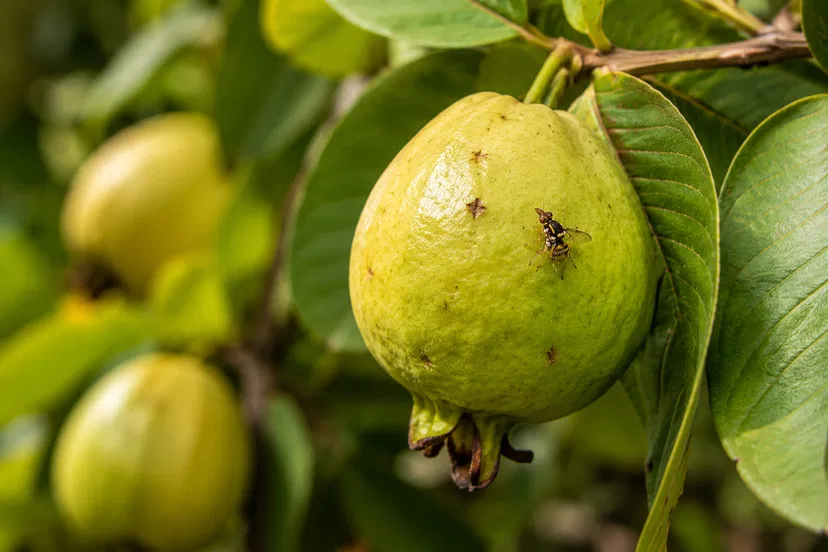
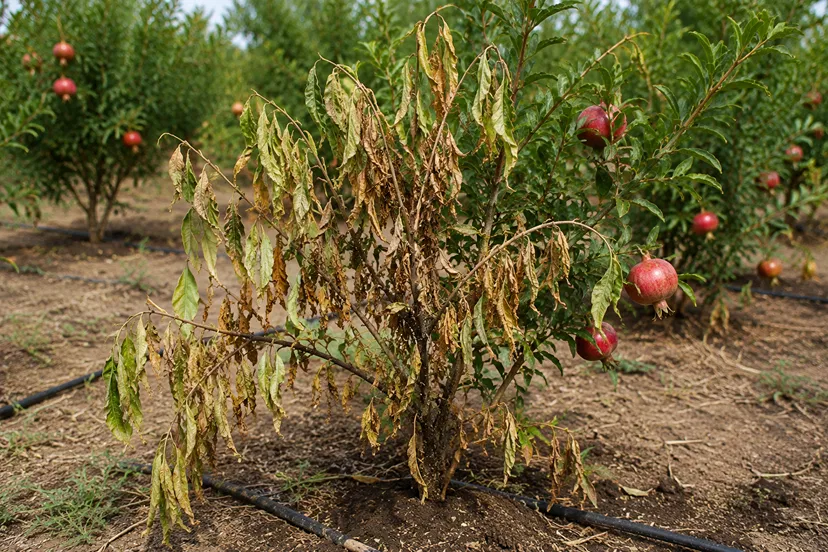
Guava wilt disease is one of the most serious threats to guava production, capable of damaging orchards quickly and reducing both fruit yield and tree lifespan. What often begins as a few yellowing leaves or drooping branches can soon turn into complete plant decline if the problem is ignored. For growers, understanding guava wilt disease causes, symptoms, and control measures is essential for protecting healthy trees and maintaining profitable harvests.
What Is Guava Wilt Disease?
Guava wilt disease is a destructive soil-borne disease that affects the roots, vascular system, and overall health of guava trees. It commonly leads to gradual or sudden wilting, leaf yellowing, branch dieback, and eventually tree death. The disease is often associated with fungal pathogens living in the soil, making it difficult to eradicate once it establishes itself in an orchard.
Key concern: Guava wilt spreads silently through the soil, making early detection and preventive management the most effective tools for control.
Causes of Guava Wilt Disease
Guava wilt is usually caused by a complex of soil-borne fungi and stress factors rather than a single issue. The disease can be triggered or worsened by poor orchard management, water stress, and root injury.
Major causal organisms
- Fusarium solani – a common fungal pathogen linked to root rot and vascular blockage.
- Fusarium oxysporum – contributes to wilting by invading the vascular tissue.
- Macrophomina phaseolina – often associated with dry root rot and plant decline.
- Rhizoctonia and other soil fungi – may contribute to root damage and secondary infection.
Factors that favor infection
- Poor drainage and waterlogged soil
- Heavy, compacted, or saline soils
- Continuous cultivation of guava in the same field
- Root injury during cultivation or transplanting
- Nutrient deficiency and weak tree vigor
- Extreme temperature and moisture stress
- Use of infected planting material
In many cases, wilt becomes more severe when trees are already weakened by drought, poor nutrition, or root damage. Healthy, well-managed orchards usually show better resistance to infection.
Symptoms of Guava Wilt Disease
Recognizing early symptoms is critical because once the disease advances, recovery becomes difficult. Symptoms may appear slowly at first, then progress rapidly depending on weather and soil conditions.
Common above-ground symptoms
- Yellowing of leaves, especially on older branches
- Loss of leaf gloss and general dull appearance
- Drooping or wilting of shoots during hot hours
- Premature leaf fall
- Dieback of branches from the tip downward
- Reduced flowering and poor fruit set
- Smaller fruits and declining yield
Below-ground symptoms
- Brown or black discoloration of roots
- Root decay and reduced root mass
- Vascular browning inside stems and root collars
- Stunted root growth
- Weak anchorage of the tree
In severe cases, a tree may wilt suddenly and die within a short period. Some plants decline gradually over several weeks or months, while others collapse quickly after stress such as drought or heavy rainfall.
How Guava Wilt Spreads
Guava wilt disease spreads mainly through contaminated soil, infected roots, water movement, and farm tools. Once fungal pathogens are present in a field, they can survive in the soil for long periods. This makes replanting in infected areas risky without proper treatment and sanitation.
Spread is often encouraged by:
- Movement of contaminated soil from one plot to another
- Infected nursery seedlings
- Poor sanitation around diseased trees
- Drainage water carrying fungal spores
- Root-to-root contact between healthy and diseased plants
Effective Control Measures for Guava Wilt Disease
Managing guava wilt requires a combination of prevention, cultural practices, sanitation, and where necessary, chemical or biological treatments. No single method is fully effective on its own, so integrated disease management offers the best results.
1. Use disease-free planting material
Start with healthy seedlings from reliable nurseries. Avoid planting material with weak roots, discoloration, or signs of stress. Certified disease-free plants reduce the risk of introducing wilt pathogens into a new orchard.
2. Improve soil drainage
Waterlogged soil creates ideal conditions for root rot fungi. Plant guava in well-drained soil and avoid low-lying areas where water collects. Raised beds or mounds can help reduce root-zone moisture problems.
3. Remove and destroy infected trees
Once a tree is severely affected, it should be uprooted, including the root system, and destroyed away from the orchard. Leaving infected roots in the ground allows pathogens to survive and spread to nearby healthy trees.
4. Practice orchard sanitation
Clean tools, remove plant debris, and keep the orchard area free from decaying roots and stumps. Disinfect pruning tools after use, especially when working on diseased plants, to avoid transferring pathogens.
5. Apply organic matter and balanced nutrition
Healthy trees are more resilient to disease. Add well-decomposed organic manure and maintain proper nutrient balance to improve soil health and root strength. Avoid excessive nitrogen, which can create soft, vulnerable growth.
6. Rotate crops in affected areas
If possible, avoid continuous guava cultivation in infected fields. Crop rotation with non-host crops can help reduce soil pathogen buildup over time.
7. Use biological control agents
Beneficial microbes such as Trichoderma species can suppress soil-borne pathogens and improve root health. These bioagents are often used in the nursery, planting pits, or around the root zone as part of integrated management.
8. Soil treatment and targeted fungicides
In high-risk orchards, soil treatment or fungicide application may help reduce disease pressure. These treatments should be used according to local agricultural recommendations and only as part of a broader disease management plan. Overuse of chemicals can damage soil health and is not a long-term solution.
9. Avoid root injury
Roots damaged by digging, tillage, or pests are more easily infected. Minimize mechanical injury around the tree base and manage root-feeding insects or nematodes that may weaken plants.
10. Select tolerant varieties when available
Some guava varieties show better tolerance to wilt than others. Choosing locally recommended, disease-tolerant cultivars can reduce losses and improve orchard longevity.
Preventive Best Practices for Growers
Prevention is always better than cure, especially for a soil-borne disease like guava wilt. A proactive orchard management plan can make a major difference in disease incidence.
- Plant only in well-drained, healthy soil.
- Inspect nursery stock carefully before planting.
- Maintain proper spacing to improve air circulation and reduce stress.
- Keep trees adequately watered, especially during dry periods.
- Monitor trees regularly for early signs of yellowing or wilting.
- Remove diseased trees promptly to prevent spread.
- Use organic amendments and bioagents to support soil health.
Why Early Detection Matters
Early detection can save trees and reduce long-term losses. A guava tree showing mild leaf yellowing or partial branch wilting may still be saved if the problem is identified quickly and corrective measures are taken. Delayed action, however, often results in irreversible decline.
Farmers and orchard managers should inspect roots, trunk collars, and canopy health regularly. If multiple trees in one area begin to show symptoms, the disease may already be established in the soil and should be managed immediately.
Conclusion
Guava wilt disease is a serious but manageable threat when growers understand its causes, identify symptoms early, and apply integrated control measures consistently. Healthy planting material, good drainage, orchard sanitation, balanced nutrition, and timely removal of infected trees are the foundation of effective disease control.
By combining prevention with regular monitoring and sound farm practices, growers can protect their guava orchards, reduce tree losses, and sustain high fruit production for years to come. If guava wilt is present in your orchard, act early, stay consistent, and focus on soil health as your first line of defense.