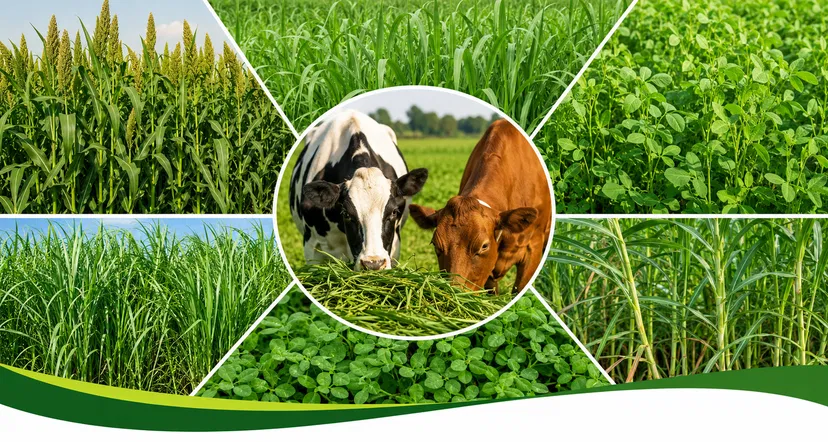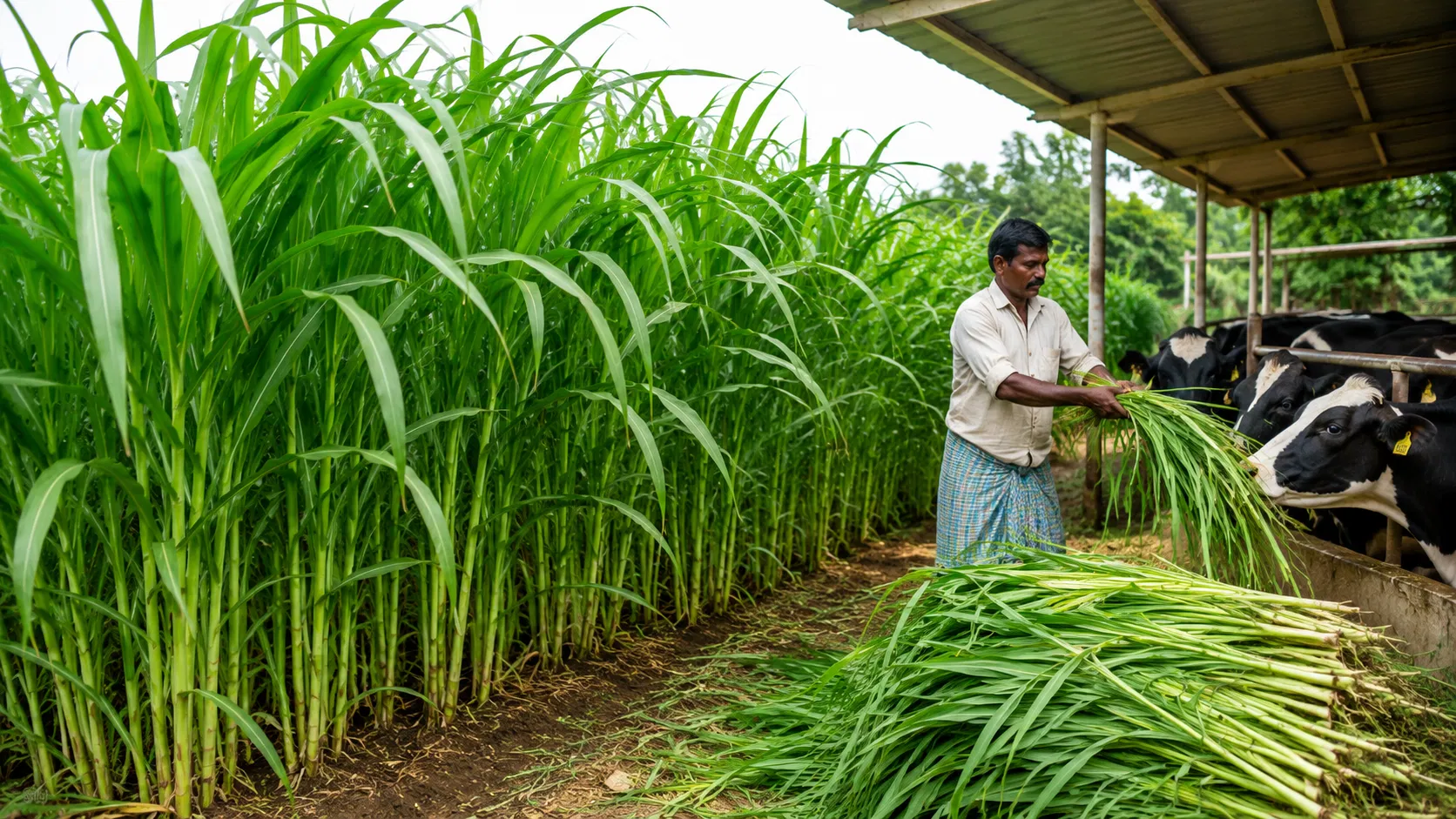
If you want a fodder crop that grows fast, produces heavy biomass, and supports reliable livestock feeding, Napier grass is one of the best choices you can make. Also known as elephant grass, this high-yield forage is widely valued by dairy farmers, cattle rearers, and smallholder growers because it delivers abundant, nutritious green fodder over multiple harvests.
With the right planting method, soil preparation, and cutting schedule, growing Napier grass for high-yield fodder can significantly reduce feed shortages and improve farm productivity. Whether you are managing a small pasture or a larger fodder plot, Napier grass offers a practical, sustainable, and cost-effective solution.
Why Napier Grass Is a Top Fodder Crop
Napier grass is popular because it combines fast growth with impressive regrowth after cutting. Once established, it can be harvested repeatedly for several years, making it a dependable source of green fodder. It also performs well in warm climates and responds strongly to fertilizers and manure.
- High biomass yield for regular fodder supply
- Excellent regrowth after harvesting
- Suitable for cut-and-carry systems
- Useful for dairy cattle, goats, sheep, and buffalo
- Adaptable to many soil types when managed properly
Because of these advantages, Napier grass remains one of the most trusted options for farmers focused on fodder security and livestock nutrition.
Ideal Growing Conditions for Napier Grass
To achieve high yields, Napier grass needs the right environment. While it is hardy, better conditions will always produce better fodder output.
Climate
Napier grass grows best in warm tropical and subtropical regions. It thrives in areas with moderate to high rainfall and plenty of sunlight. Frost can damage the plant, so it is best suited to frost-free zones.
Soil
Well-drained loamy soils are ideal, but Napier grass can also grow in sandy or clay soils if fertility is managed properly. The soil should be rich in organic matter and not remain waterlogged for long periods.
Sunlight
Full sunlight supports vigorous growth and better leaf production. Avoid planting in shaded areas, as shade reduces biomass and slows regrowth.
How to Prepare Land for Napier Grass
Proper land preparation is essential for strong root development and long-term productivity. Before planting, clear the area of weeds, stones, and debris. Then plow or dig the soil to a fine tilth so the cuttings or rooted slips establish quickly.
- Clear the field thoroughly.
- Plow or dig the soil deeply.
- Mix in well-rotted manure or compost.
- Mark planting rows with proper spacing.
Good drainage is especially important. If your land holds too much water, raise the beds or create shallow drainage channels to prevent root rot.
Best Planting Material for Napier Grass
Napier grass is commonly propagated using stem cuttings or rooted slips. Stem cuttings are the most widely used method because they are easy to obtain and plant.
Using Stem Cuttings
Select healthy, disease-free canes from mature plants. Each cutting should have at least two to three nodes. Plant the cuttings horizontally or slightly slanted in moist soil, making sure one or two nodes are buried to encourage sprouting.
Using Rooted Slips
Rooted slips are young shoots with established roots. They often establish faster than cuttings and are useful when you want a strong early start.
Tip: Always choose vigorous planting material from productive mother plants to improve field performance and reduce the risk of disease.
Spacing and Planting Method
Correct spacing helps Napier grass produce more fodder while allowing easy harvesting and management. The spacing you choose may depend on soil fertility and whether you want maximum leaf production or larger plant clumps.
A common spacing for fodder production is 90 cm to 120 cm between rows and 60 cm to 90 cm between plants. Wider spacing is useful where fertilizer use is lower, while closer spacing may increase early ground cover and yield.
Plant cuttings about 10 to 15 cm deep in moist soil. Water immediately after planting if rainfall is insufficient. Keep the field weed-free during the early stages because young plants compete poorly with weeds.
Water and Fertility Management
Napier grass responds strongly to moisture and nutrients. For high-yield fodder production, do not rely on natural soil fertility alone.
Watering
Newly planted Napier grass needs regular moisture until it establishes. During dry periods, irrigation can greatly improve growth and recovery after cutting. Avoid water stress, especially in the first few weeks after planting.
Fertilizer and Manure
Organic manure improves soil structure and supplies slow-release nutrients. Apply compost or well-rotted farmyard manure before planting and after each harvest. If using chemical fertilizers, nitrogen is particularly important because it promotes leafy growth and faster regrowth.
- Apply manure during land preparation
- Top-dress after each harvest where possible
- Use balanced nutrients to support sustained production
- Do soil testing for accurate fertilizer recommendations
A fertile field will produce thicker stems, more leaves, and higher total fodder output.
Weed Control and Field Maintenance
Weeds can reduce Napier grass performance, especially during the establishment stage. Regular weeding is crucial until the crop forms a dense stand. Once established, Napier grass suppresses weeds more effectively, but occasional cleanup is still useful.
Other maintenance practices include:
- Removing dry or diseased stems
- Replanting gaps in the stand
- Applying mulch where appropriate
- Monitoring for pests and disease symptoms
A well-maintained stand stays productive longer and delivers cleaner, more nutritious fodder.
Harvesting Napier Grass for Best Yield and Quality
Timing is everything when harvesting Napier grass. Cutting too early may reduce total biomass, while cutting too late may produce tougher stems and lower feed quality. A good balance is needed to maintain both yield and palatability.
First harvest usually takes place when the plants are well established, often around 8 to 12 weeks after planting, depending on climate and management. After that, harvest every 6 to 8 weeks during active growth.
Harvesting Tips
- Cut the grass about 5 to 10 cm above the ground
- Leave enough stubble for quick regrowth
- Harvest before stems become too woody
- Use sharp tools to avoid damaging the crown
Freshly cut Napier grass is best fed soon after harvest, but it can also be chopped and conserved as silage where feed storage is needed.
Pests and Diseases to Watch For
Although Napier grass is generally hardy, it can still face pest and disease pressure. Regular observation helps prevent serious losses.
Common issues may include stem borers, aphids, leaf spots, and fungal diseases. In some regions, Napier grass stunt disease has caused major damage, so selecting healthy planting material is especially important.
To reduce risk:
- Use certified or disease-free planting material
- Rotate or renew old stands when yield declines
- Remove infected plants promptly
- Maintain balanced nutrition for stronger plants
Maximizing Fodder Yield from Napier Grass
If your goal is high-yield fodder production, focus on consistency. Healthy soil, timely harvesting, proper spacing, and regular nutrient supply all work together to increase output.
Here are the most effective yield-boosting practices:
- Choose a productive variety suited to your region.
- Prepare fertile, well-drained land before planting.
- Apply organic manure and nitrogen-rich fertilizer regularly.
- Control weeds early to reduce competition.
- Harvest on schedule to keep the crop tender and productive.
- Rejuvenate old plots when stands become weak or less productive.
When managed well, Napier grass can become a dependable forage bank that supports year-round feeding and reduces dependence on purchased feed.
Final Thoughts
Growing Napier grass for high-yield fodder is one of the smartest investments for livestock farmers who want reliable, nutritious, and abundant feed. With proper land preparation, quality planting material, good fertility management, and timely harvesting, Napier grass can deliver outstanding productivity season after season.
If you are looking to strengthen your fodder supply and improve livestock performance, start planning your Napier grass plot today. A well-managed stand can make a lasting difference in feed security, farm efficiency, and overall profitability.