Groundnut leaf miner can quickly turn a healthy peanut crop into a patchy, weakened field if it is not caught early. The tricky part is that the pest often hides inside the leaf, so growers may notice the damage only after feeding has already begun. Knowing the key symptoms and spraying at the right time can make the difference between minor loss and serious yield reduction.
What Is Groundnut Leaf Miner?
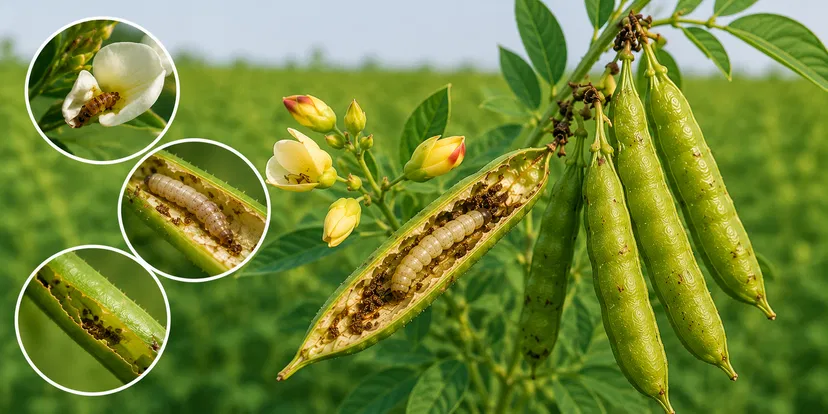
Groundnut leaf miner is a destructive pest that feeds on the leaves of groundnut plants. The larvae tunnel between the leaf surfaces, creating visible mines that reduce the plant's ability to photosynthesize. When infestations are severe, leaves dry up, curl, and fall off, leaving the crop stressed and underperforming.
This pest is especially harmful during the early vegetative and flowering stages, when the plant needs strong, healthy foliage to support pod development later on. Effective groundnut leaf miner control starts with early scouting and timely intervention.
Key Symptoms of Groundnut Leaf Miner Damage
Recognizing the symptoms early is the most important step in managing this pest. The signs often begin subtly and become more obvious as the infestation spreads.
1. White or Brown Serpentine Mines
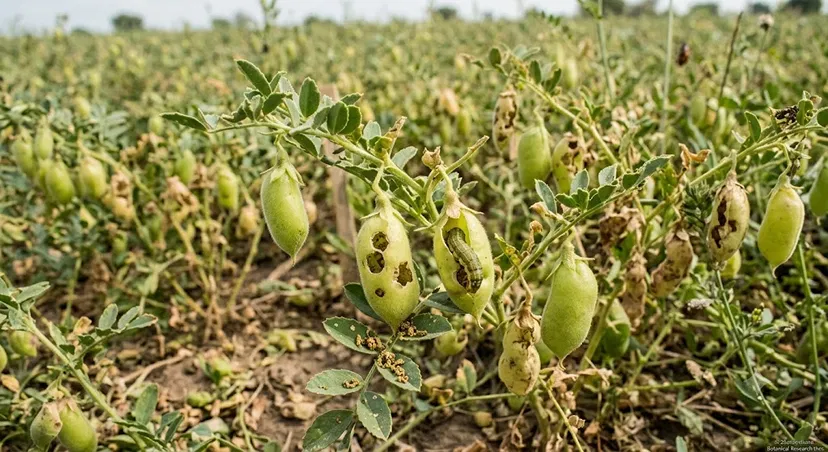
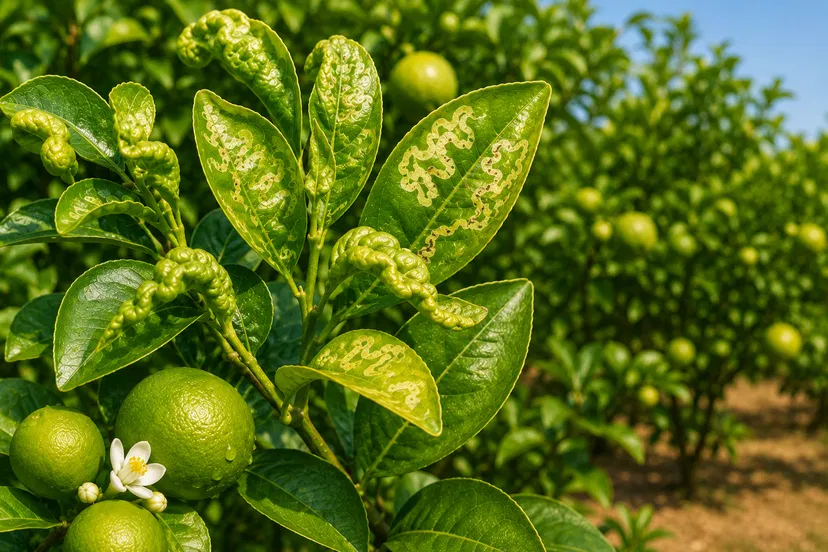
The most common symptom is the appearance of thin, winding tunnels on the leaf surface. These mines are created by larvae feeding between the upper and lower layers of the leaf. At first, they may look like pale streaks, but they later turn brown as the tissue dies.
2. Blotchy Leaf Patches
As feeding continues, the affected leaf areas become blotchy and discolored. These patches often expand and merge, making the leaf look unhealthy and uneven.
3. Leaf Curling and Drying
Severely infested leaves may curl inward, become brittle, and dry out. This is a sign that the pest has already caused significant tissue damage.
4. Premature Leaf Drop
When infestation pressure is high, leaves may fall off before the plant is ready. Premature defoliation reduces the crop's energy production and can lower pod size and yield.
5. Stunted Plant Growth
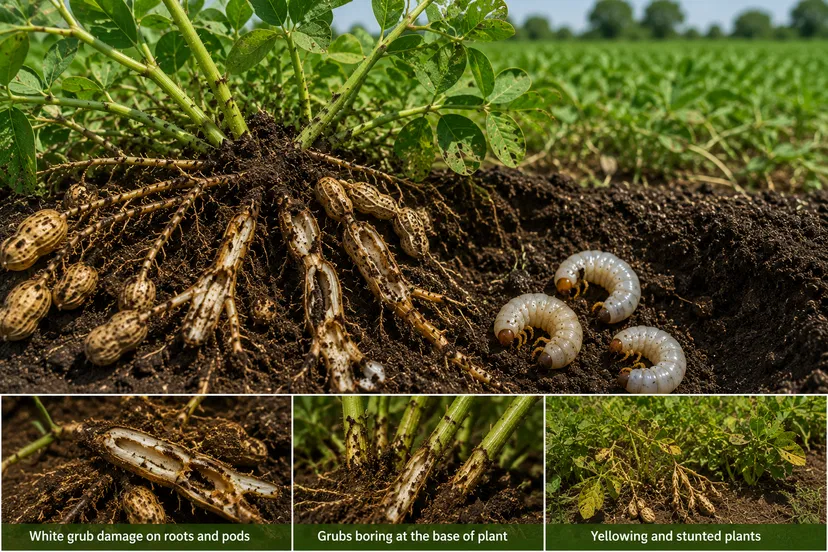
Young plants with heavy leaf miner attack often show slow growth. The reduced leaf area weakens the plant, making it less capable of supporting healthy branching and pod formation.
Tip: The earlier you spot mines on the leaves, the better your chances of controlling groundnut leaf miner before it spreads across the field.
Why Groundnut Leaf Miner Is So Damaging
Groundnut plants depend on healthy leaves to capture sunlight and produce food. When leaf miner larvae destroy the leaf tissue, the plant loses its ability to maintain strong growth. This can result in:
- Reduced photosynthesis
- Weaker plant vigor
- Fewer and smaller pods
- Lower oil content and yield quality
- Greater stress under dry or hot conditions
Even moderate damage can be costly if it happens during sensitive growth stages. That is why leaf miner management should be part of a regular crop protection plan, not an afterthought.
Best Spray Timing for Groundnut Leaf Miner Control
Spray timing is one of the most important factors in successful control. Spraying too late often gives poor results because the larvae are protected inside the leaf tissue. Spraying too early, before infestation appears, may waste product and increase costs.
Spray at the First Sign of Mines
The best time to spray is when the first fresh mines appear on the leaves and the infestation is still light. This is when larvae are young and most vulnerable. Early treatment helps prevent further leaf damage and reduces the chance of rapid spread.
Focus on Early Crop Stages
Groundnut crops should be closely monitored during the early vegetative stage and again during flowering. These stages are critical because leaf damage at this time can have a strong effect on final yield. If symptoms appear during these periods, spray promptly.
Inspect Fields Regularly
Scouting should be done at least once or twice a week, especially in warm and dry weather when pest pressure may increase. Walk through the field and examine both young and older leaves for mines, discoloration, and curling.
Spray When Larvae Are Active
For best results, apply control measures when larvae are actively feeding and before they mature fully inside the leaf. Once larvae are older and deeper in the tissue, contact sprays become less effective.
How to Spray Groundnut Leaf Miner Effectively
Even the right product may fail if spray coverage is poor or the application is uneven. Good spray practice improves the chance of control.
- Use the recommended product label rate
- Ensure thorough coverage of the upper and lower leaf surfaces
- Spray in calm weather to reduce drift
- Apply during cooler parts of the day, such as early morning or late afternoon
- Repeat only if monitoring shows continued infestation pressure
It is also important to rotate control options when possible to reduce the risk of pest resistance. Always follow local crop protection guidance and product instructions carefully.
Integrated Groundnut Leaf Miner Control Practices
Spraying works best when combined with other management practices. A balanced approach can reduce pest pressure and improve long-term results.
Remove Severely Infested Leaves
In small plots or home gardens, removing heavily damaged leaves can help reduce the number of larvae developing in the crop. This may not be practical on large farms, but it can support overall management in smaller areas.
Maintain Good Field Hygiene
Weed control and sanitation around the field can reduce hiding places for pests. A clean crop environment also makes scouting easier.
Avoid Excessive Nitrogen
Over-fertilized plants can produce lush, tender growth that sometimes attracts more pests. Balanced nutrition supports strong plants without encouraging unnecessary vulnerability.
Encourage Natural Enemies
Beneficial insects may help reduce pest populations naturally. Avoid unnecessary spraying that can harm these helpful organisms.
How to Know If Spray Timing Was Successful
After spraying, revisit the field within a few days to check whether new mines are still appearing. Existing mines will not disappear, but fresh damage should slow down if the treatment is working.
Signs of successful control include:
- Fewer new mines on recently formed leaves
- Reduced larval activity
- Slower spread across the field
- Healthier new foliage emerging after treatment
If fresh feeding continues, reassess the infestation level, spray coverage, and timing. In some cases, additional intervention may be needed, but it should always be based on field inspection, not guesswork.
Conclusion
Groundnut leaf miner control depends on one thing above all: catching the pest early. Watch for winding mines, blotchy leaves, curling, and premature leaf drop. Then act quickly at the first sign of damage, especially during early vegetative and flowering stages. With regular scouting, proper spray timing, and good field management, you can protect your groundnut crop and safeguard yield potential.
Final insight: Early detection plus timely spraying is the most effective strategy for keeping groundnut leaf miner under control and preventing avoidable crop loss.