For millions of farmers in India, fertilizer is one of the biggest seasonal expenses. That is why the government fertilizer subsidy in India plays such an important role in reducing input costs and supporting farm productivity. Whether you grow paddy, wheat, sugarcane, cotton, or vegetables, understanding how the subsidy works can help you make smarter buying decisions and avoid confusion at the shop or cooperative society.
In this guide, you’ll learn how the fertilizer subsidy system works, which fertilizers are covered, how prices are controlled, and what farmers should keep in mind before purchasing fertilizers. If you want to protect your margins and use government support effectively, this is the information you need.
What Is the Government Fertilizer Subsidy in India?
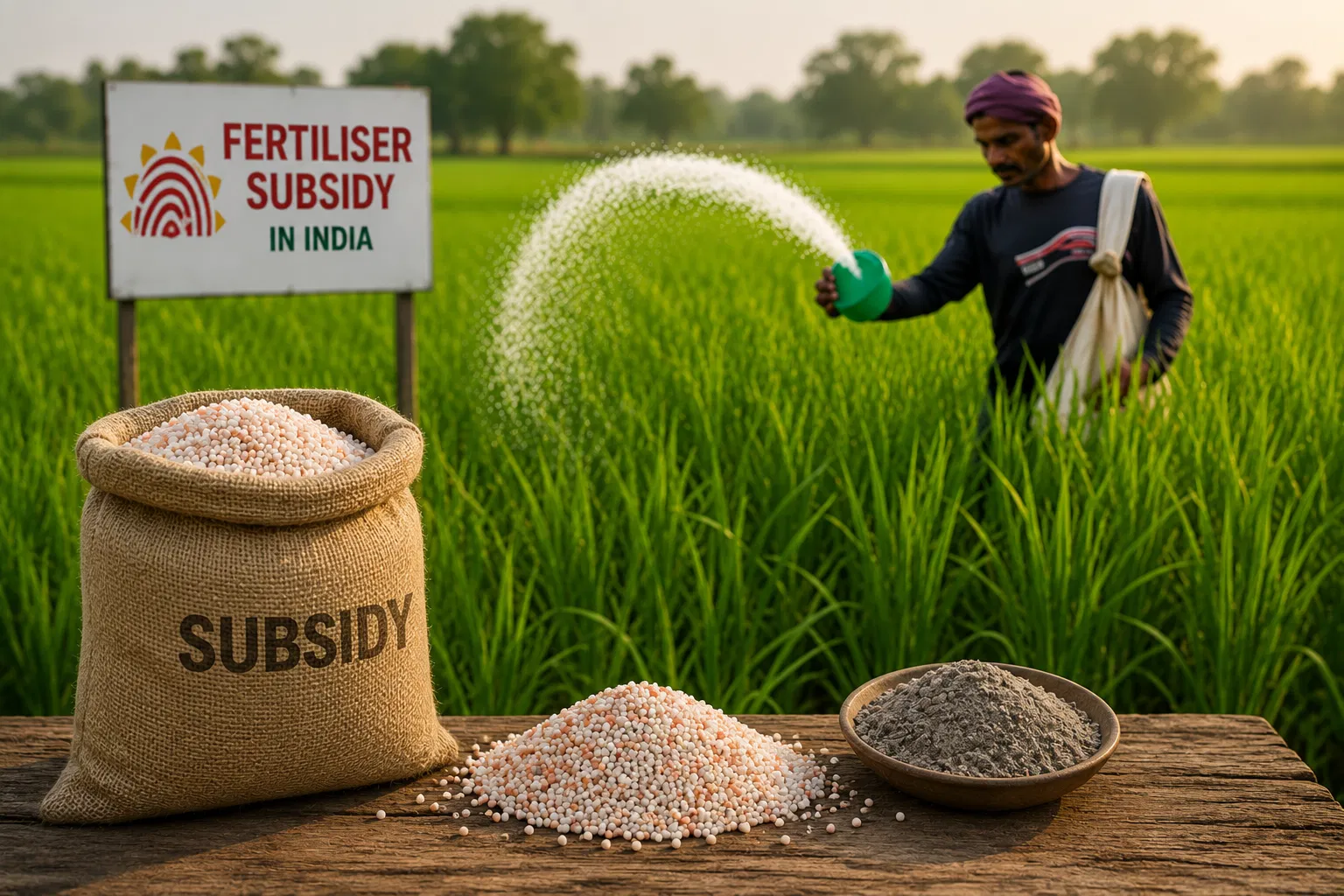
The fertilizer subsidy is a financial support measure provided by the Government of India to ensure that fertilizers remain affordable for farmers. Instead of letting market prices rise sharply, the government pays part of the cost directly to fertilizer companies. This allows companies to sell fertilizers at lower, farmer-friendly prices.
In simple terms, the subsidy helps farmers buy essential nutrients for crops without bearing the full market cost. This system is especially important in a country where agriculture supports a large population and fertilizer demand is high.
Key point: Farmers usually buy subsidized fertilizer at a controlled retail price, while the government pays the difference to the manufacturer.
Why Fertilizer Subsidy Matters to Farmers
Fertilizer prices can influence crop profitability significantly. When the cost of inputs rises, farmers often face tighter margins, especially during seasons of fluctuating crop prices. The subsidy helps in several ways:
- Reduces the cost of major crop inputs
- Supports better fertilizer adoption among small and marginal farmers
- Helps maintain food production stability across the country
- Limits sudden retail price hikes in the market
- Improves access to essential nutrients for soil health and yields
For many farmers, this support makes the difference between applying the right fertilizer dose and cutting back because of cost concerns.
Which Fertilizers Are Subsidized?
India’s fertilizer subsidy system covers a range of products, especially those used widely in field crops. The subsidy structure may vary based on the fertilizer type and current policy. Broadly, fertilizers fall into categories like:
1. Urea
Urea is one of the most widely used nitrogen fertilizers in India and is heavily subsidized. Its retail price is highly regulated, making it one of the most affordable fertilizers for farmers.
2. Phosphatic and Potassic (P&K) Fertilizers
These fertilizers include nutrients such as phosphorus and potassium, which are important for root development, flowering, and crop quality. Subsidy support for P&K fertilizers may be determined under the Nutrient Based Subsidy framework.
3. Complex Fertilizers
Complex fertilizers contain multiple nutrients in one product. These are used to provide balanced nutrition to crops and may also receive subsidy support depending on government policy.
4. Micronutrient and Special Fertilizers
Some specialized fertilizers may not always be covered under the same subsidy level as urea or conventional NPK fertilizers. Farmers should check local availability and price before purchase.
How the Subsidy System Works
The process is designed to keep the retail price affordable for farmers while ensuring fertilizer companies are compensated. Here’s a simplified view of how it works:
- The government announces subsidy support for selected fertilizers.
- Fertilizer companies manufacture or import the product.
- Farmers purchase the fertilizer at the regulated retail price.
- The government pays the subsidy amount to the fertilizer company.
This model helps stabilize prices and ensures availability across rural markets. In many cases, the farmer does not need to apply separately for the subsidy, because it is already reflected in the price paid at the point of sale.
What Farmers Should Check Before Buying Fertilizer
Even with subsidy support, farmers should be careful when purchasing fertilizers. A few simple checks can help avoid errors and losses:
- Check the MRP or retail price displayed by the dealer
- Buy from authorized outlets or cooperative societies
- Look at the fertilizer grade to ensure it matches crop requirements
- Verify the packaging details such as batch number and manufacturer name
- Avoid unnecessary purchases based on crop stage and soil needs
Using more fertilizer does not always mean better results. Applying the right nutrient at the right time is more effective and economical.
Understanding Urea Subsidy in India
Urea has long been a major part of India’s fertilizer subsidy policy. It is widely used because it supplies nitrogen, a nutrient essential for vegetative growth. The government keeps the retail price of urea low, which makes it accessible to farmers across the country.
However, farmers should remember that overuse of urea can harm soil balance. Excess nitrogen application may lead to poor nutrient efficiency, lodging in crops, and environmental issues. A balanced approach using soil testing and recommended doses is always better than depending heavily on one fertilizer.
Nutrient Based Subsidy: What It Means
The Nutrient Based Subsidy, often referred to as NBS, is a policy framework used for certain non-urea fertilizers. Under this model, subsidy support is linked to nutrient content rather than just the product type. This encourages more balanced fertilizer use and gives farmers access to phosphatic and potassic nutrients at regulated rates.
For farmers, the important takeaway is simple: fertilizer prices may differ depending on nutrient composition, brand, and government policy updates. Always confirm current rates before buying.
How to Avoid Fertilizer Purchase Mistakes
Fertilizer is a major investment, so small mistakes can become expensive. Keep these practical tips in mind:
- Follow soil test recommendations whenever possible
- Do not depend only on urea for crop nutrition
- Match fertilizer choice with crop stage and rainfall conditions
- Store fertilizer in a dry place to prevent damage and caking
- Keep purchase receipts for reference and grievance handling
Smart fertilizer use is not only about cost savings. It also helps improve yield, maintain soil fertility, and support sustainable farming over time.
Government Support and Market Availability
One of the main goals of the fertilizer subsidy is to keep essential fertilizers available in rural markets at reasonable rates. During peak seasons, demand can rise sharply, and stock management becomes important. Farmers should plan purchases in advance and stay in touch with local dealers, cooperatives, or agriculture departments for availability updates.
If a particular fertilizer is unavailable, ask for guidance instead of buying an unsuitable substitute without understanding its nutrient ratio. Timely and informed decisions can prevent crop stress later in the season.
Key Takeaways for Farmers
- The fertilizer subsidy in India helps keep essential farm inputs affordable
- Urea remains the most heavily subsidized fertilizer
- P&K and complex fertilizers may follow a different subsidy structure
- Farmers should check price, grade, and authenticity before buying
- Balanced fertilizer use is better than overusing any single nutrient
Conclusion
The government fertilizer subsidy in India is a vital support system for farmers, especially when input costs are rising and crop profitability is under pressure. But subsidy alone is not enough. Farmers also need to understand which fertilizers to buy, how to verify prices, and how to apply them efficiently.
If you are planning your next season, start with soil awareness, check current fertilizer rates, and choose inputs based on crop need rather than guesswork. The more informed your fertilizer decisions are, the better your chances of improving yield, lowering costs, and protecting soil health for the long term.
Stay updated, buy wisely, and use fertilizers strategically for better farm returns.