Glyphosate has become one of the most debated herbicides in modern agriculture, especially in high-value perennial crops like tea, coffee, and rubber. These plantations face constant weed pressure, and glyphosate has long been used as a quick, effective solution. But growing concerns about residue levels, environmental impact, worker safety, and consumer trust have pushed the topic into the spotlight.
Understanding the role of glyphosate in tea, coffee, and rubber plantations is essential for growers, exporters, buyers, and informed consumers. The conversation is no longer just about weed control. It is also about compliance, sustainability, and the long-term health of plantation ecosystems.
Why Glyphosate Is Used in Tea, Coffee, and Rubber Plantations
Tea, coffee, and rubber plantations are typically managed over large areas, often on sloped or uneven terrain. Weeds compete with crops for nutrients, water, and sunlight, and they can also increase labor costs if controlled manually.
Glyphosate is popular because it offers broad-spectrum weed control and can help reduce labor-intensive clearing. In plantations, it is commonly used for:
- Managing weeds between crop rows
- Reducing competition around young plants
- Controlling invasive grasses and broadleaf weeds
- Lowering mechanical weed-control costs
- Supporting plantation maintenance during peak growth seasons
For many estate managers, glyphosate has been seen as efficient and economical. However, what works well from an operational standpoint may create complications later in the supply chain.
Glyphosate Residues in Tea and Coffee: What Consumers Want to Know
Tea and coffee are globally traded products, and buyers increasingly ask whether glyphosate residues are present in the final product. Even when herbicide use occurs in the field rather than directly on harvested leaves or beans, residue concerns still matter.
Several factors influence residue risk:
- Application timing
- Spray drift
- Weather conditions during spraying
- Harvest intervals
- Soil and plant uptake patterns
- Post-harvest processing methods
Tea leaves are harvested repeatedly, which makes field management especially sensitive. Coffee plantations also require careful herbicide practices because berries develop in close proximity to managed ground cover. In both crops, exporters often need to meet strict maximum residue limits imposed by importing countries and retail chains.
Key point: Even when glyphosate is used responsibly, residue monitoring and traceability are critical for maintaining market access.
Glyphosate in Rubber Plantations: Practical Use and Emerging Concerns
Rubber plantations rely on healthy tree growth and long-term land productivity. Weeds can suppress young rubber trees, increase pest pressure, and complicate tapping operations. Glyphosate has therefore been used as part of standard plantation weed management.
Yet rubber plantations also present specific sustainability concerns. Because they are long-cycle crops, any repeated herbicide use can influence soil health, biodiversity, and water quality over time. Plantation managers must consider not only immediate weed suppression, but also the ecological footprint of continued herbicide dependency.
In some regions, rubber producers are under increasing pressure to adopt integrated weed management strategies that reduce chemical reliance and improve environmental stewardship.
Health, Environmental, and Supply Chain Concerns
Debates around glyphosate are often intense because the issue touches multiple stakeholders. Farmers need practical weed solutions, regulators focus on food safety, workers need protection, and consumers want transparency.
Worker Safety
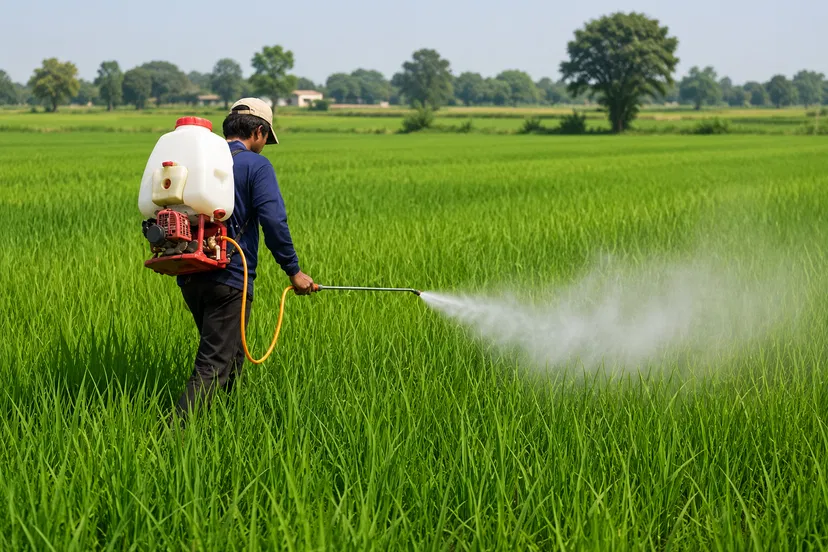
Improper handling, inadequate protective gear, and poor training can increase exposure risks for plantation workers. Safe storage, calibrated equipment, and clear application procedures are essential.
Environmental Impact
Overuse or misapplication can contribute to runoff, drift, and contamination of nearby vegetation or water bodies. In plantation landscapes, these effects can accumulate, especially where herbicides are applied repeatedly.
Market Access
Many buyers now demand documented herbicide management practices. Failure to comply with residue standards or certification requirements can disrupt exports and damage brand reputation.
What Sustainable Weed Management Looks Like
The future of weed control in tea, coffee, and rubber plantations is moving toward integrated and sustainable practices. Rather than depending on a single herbicide, growers can combine multiple approaches to reduce risk and improve resilience.
Effective alternatives and complementary practices include:
- Mulching: Suppresses weed growth while improving soil moisture retention.
- Cover crops: Compete with weeds and support soil health.
- Mechanical weeding: Useful in certain terrain and plantation layouts.
- Selective herbicide use: Limits chemical pressure compared with blanket spraying.
- Precision application: Reduces drift and unnecessary chemical use.
- Regular scouting: Helps target weeds early before infestations spread.
Integrated weed management can lower costs over time, protect the environment, and support compliance with international sustainability standards.
Best Practices for Glyphosate Use in Plantations
When glyphosate is used, responsible management matters. Plantation operators should follow label directions, local regulations, and safety protocols carefully.
- Train workers on safe handling and application
- Use protective equipment consistently
- Avoid spraying near water sources and sensitive areas
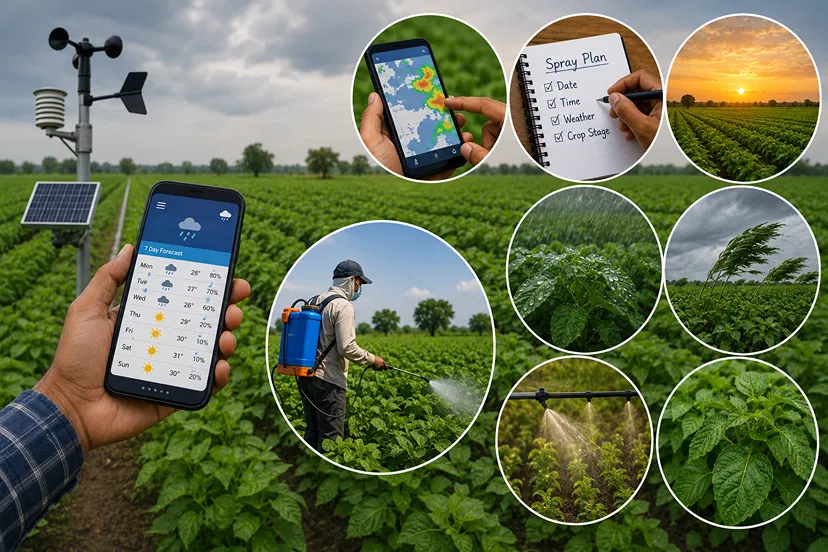
- Monitor weather conditions to prevent drift
- Respect re-entry and pre-harvest intervals
- Document application records for traceability
- Test residue levels when required by buyers or regulators
Good governance is increasingly part of agricultural competitiveness. In export-oriented tea, coffee, and rubber operations, recordkeeping can be just as important as field performance.
What Buyers and Consumers Are Looking For
Modern supply chains are more transparent than ever. Buyers want proof that plantations are managing herbicides responsibly and reducing unnecessary chemical inputs. Consumers, meanwhile, are paying closer attention to the sustainability claims behind the products they purchase.
This means plantations that invest in cleaner weed management practices can gain a meaningful advantage. Certification programs, residue testing, and sustainability audits are becoming stronger signals of quality and reliability.
As a result, glyphosate management is no longer a narrow agronomic issue. It is a business issue, a compliance issue, and a reputational issue.
The Future of Glyphosate in Tea, Coffee, and Rubber Plantations
Glyphosate is unlikely to disappear overnight, but its role is evolving. Plantation agriculture is gradually shifting toward reduced-risk weed control systems that combine chemical, mechanical, and ecological approaches.
For tea, coffee, and rubber producers, the most resilient path forward is one that balances productivity with responsibility. That means using glyphosate only when necessary, applying it carefully, and building a broader weed management plan that protects people, plants, and profits.
Conclusion
Glyphosate in tea, coffee, and rubber plantations remains a critical topic because it sits at the intersection of efficiency, safety, and sustainability. While it can be a useful weed control tool, plantations must manage it with care to meet regulatory standards and consumer expectations.
The smartest growers are moving beyond dependency and toward integrated weed management systems that support long-term crop health and market trust. If you are involved in plantation operations, sourcing, or procurement, now is the time to evaluate how weed management practices affect both performance and reputation.
Final insight: Sustainable plantations are not built on one herbicide alone—they are built on smart management, transparency, and long-term thinking.