Fungicides can be a powerful line of defense against destructive plant diseases, but over time they can lose effectiveness. When that happens, growers may notice the same spray program working less and less, even as disease pressure stays the same or gets worse. This problem is known as fungicide resistance, and it can turn a reliable disease-management tool into an expensive disappointment.
The good news is that resistance is not inevitable. By understanding what causes fungicide resistance and using smarter prevention strategies, you can protect crop health, preserve product performance, and reduce long-term losses. Here's what every grower, landscaper, and plant manager should know.
What Is Fungicide Resistance?
Fungicide resistance happens when fungal or oomycete pathogens survive fungicide applications that once controlled them. Over time, the surviving individuals reproduce, and the population becomes harder to kill with the same mode of action.
In simple terms: the fungicide did not fail because it was bad. It failed because the pathogen population adapted.
Resistance is a biological shift in the pathogen population, not just a temporary drop in spray performance.
Main Causes of Fungicide Resistance
1. Repeated use of the same mode of action
One of the biggest drivers of fungicide resistance is relying on the same active ingredient or mode of action season after season. When the same chemistry is used repeatedly, sensitive pathogen individuals are eliminated, while naturally resistant ones survive and spread.
2. Too many applications within a short period
Frequent sprays can increase selection pressure. If a fungicide is applied too often, the pathogen population gets more chances to adapt. This is especially risky when the disease is already well established.
3. Using sublethal doses
Underdosing can be just as problematic as overuse. When fungicide rates are too low, some pathogens may survive exposure and develop resistance more quickly. Always follow label rates and application instructions carefully.
4. Poor spray coverage
Even a strong fungicide can underperform if it does not reach the target. Missed leaf surfaces, uneven droplet distribution, or poor canopy penetration can allow pathogens to escape treatment. Those survivors can later repopulate the area.
5. Preventive strategies not being used correctly
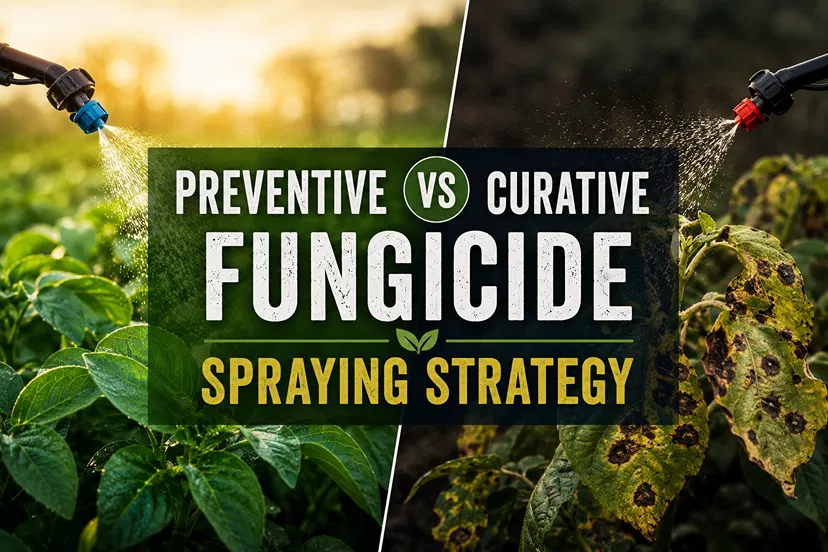
Many fungicides work best when applied before infection or early in disease development. Waiting too long reduces effectiveness and may force repeated applications, increasing selection pressure for resistant strains.
6. High disease pressure and favorable weather
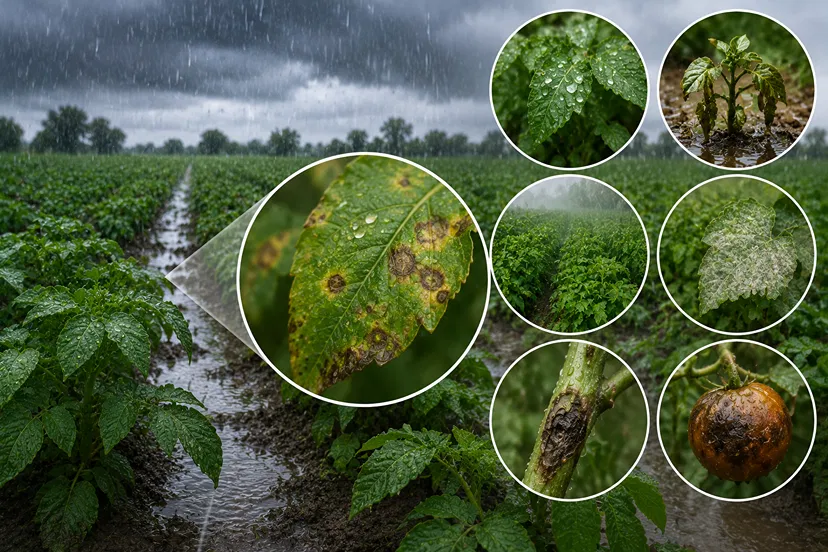
Warm, wet, humid conditions can accelerate disease cycles. The more rapidly a pathogen reproduces, the faster resistance can develop if management practices are not diversified.
Why Fungicide Resistance Is a Serious Problem
Resistance can lead to serious consequences for crop production, ornamental plant health, and turf management. Once resistance develops, control becomes more difficult and more expensive.
- Reduced disease control and greater plant damage
- Higher input costs from additional sprays or alternative products
- Yield losses in agricultural crops
- Lower quality in ornamentals, turf, and specialty plants
- Fewer effective tools available over time
Early Signs Fungicide Resistance May Be Developing
Fungicide resistance is not always obvious at first, but there are warning signs that should not be ignored.
- Disease continues to spread after properly timed applications
- One fungicide works less effectively than it used to
- Multiple applications produce only limited improvement
- Similar treatment failures appear in the same field or site
- Plants near untreated areas perform noticeably better than treated ones
If you see these patterns, resistance may be involved, but other issues such as poor coverage, incorrect timing, weather conditions, or misdiagnosis should also be considered.
How to Prevent Fungicide Resistance
1. Rotate fungicide modes of action
Rotation is one of the most effective resistance management strategies. Do not rely on the same mode of action repeatedly. Instead, alternate fungicides from different FRAC groups to reduce selection pressure.
Best practice: Rotate active ingredients with different modes of action across sprays and seasons whenever possible.
2. Use fungicide mixtures wisely
Tank mixes or premixes can help slow resistance when they contain multiple effective modes of action. However, both components should be active against the target pathogen. A weak partner may not provide meaningful protection.
3. Apply at the right time
Timing matters. Fungicides are most effective when used preventively or at the first sign of disease. Early application reduces the chance that a pathogen population becomes established and resistant individuals gain an advantage.
4. Follow label rates and intervals
Always use the recommended dosage, spray interval, and application method. Cutting rates may save money in the short term but can increase the risk of resistance and reduce control. Labels are designed to maximize both effectiveness and stewardship.
5. Improve spray coverage
Use the proper water volume, nozzle type, pressure, and equipment calibration for the crop or site. Good coverage helps ensure the fungicide reaches all vulnerable surfaces where infection can occur.
6. Integrate non-chemical controls
Fungicide resistance prevention is strongest when chemical control is part of a broader disease management plan. Combine fungicides with cultural and sanitation practices such as:
- Removing infected plant debris
- Using resistant plant varieties when available
- Improving airflow and spacing
- Managing irrigation to reduce leaf wetness
- Controlling weeds and volunteer hosts
- Practicing crop rotation in agricultural systems
7. Monitor fields and records carefully
Track what you apply, when you apply it, and how well it works. Field records make it easier to spot patterns, identify product failures, and adjust strategies before resistance becomes widespread.
8. Limit unnecessary applications
Do not spray "just in case" without a clear disease risk. Every unnecessary fungicide application increases selection pressure. Use scouting, weather data, and disease forecasting tools to guide decisions.
Integrated Disease Management Is the Key
The best way to prevent fungicide resistance is to avoid depending on fungicides alone. An integrated approach reduces pressure on any single tool and improves long-term control.
That means combining:
- Accurate disease identification
- Preventive fungicide use when justified
- Mode-of-action rotation
- Good application practices
- Cultural and sanitation measures
- Ongoing scouting and recordkeeping
When these practices work together, disease pressure drops and resistance risk falls with it.
Why Stewardship Matters
Fungicides are valuable, but they are not unlimited resources. Once resistance develops, it can persist and spread, affecting not only one field or greenhouse but entire production systems. Responsible fungicide stewardship protects your current season and helps preserve chemistry for the future.
The goal is not just to kill the pathogen today, but to keep fungicides useful tomorrow.
Conclusion
Fungicide resistance is caused by repeated exposure, poor timing, low-dose use, inadequate coverage, and overreliance on the same products. But with smart prevention, it is manageable. Rotate modes of action, apply fungicides properly, support them with cultural controls, and keep detailed records of disease performance.
If you want reliable disease control year after year, treat fungicide resistance prevention as part of your standard management plan—not an afterthought. Start with smarter decisions now, and you'll protect both plant health and fungicide effectiveness for the long run.