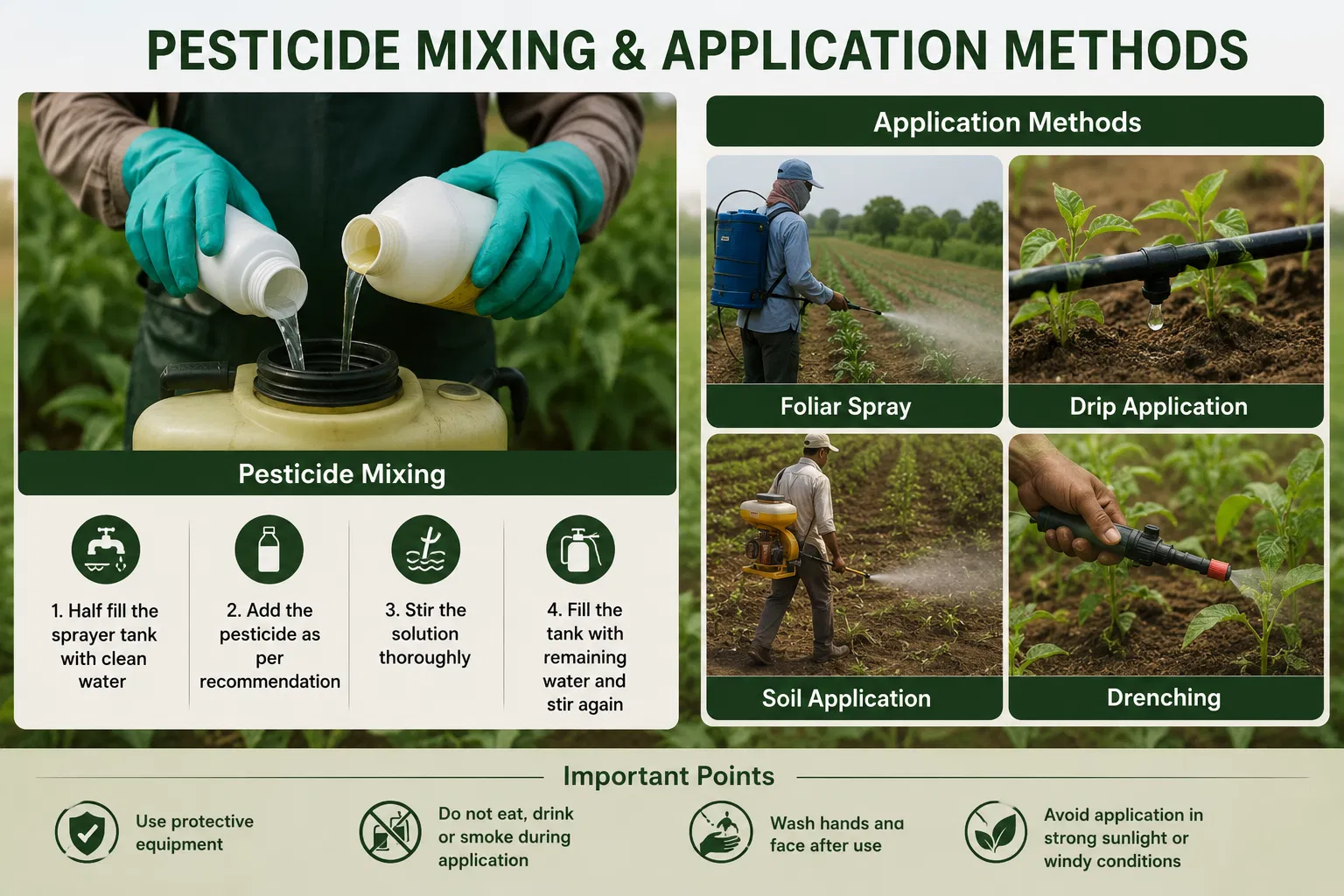
Foliar spraying can save time, improve nutrient uptake, and help you get more value from every pass through the field or garden. But when you combine fertilizers and pesticides in the same tank, compatibility matters. A poor mix can clog nozzles, reduce effectiveness, cause leaf burn, or even damage crops. The good news is that with the right approach, foliar spray compatibility becomes a practical tool instead of a risky guess.
This guide explains how to mix fertilizers and pesticides safely, what to avoid, and how to test a tank mix before spraying. Whether you manage row crops, orchards, vineyards, or a home garden, understanding foliar spray compatibility can help you protect plants and improve results.
What Is Foliar Spray Compatibility?
Foliar spray compatibility refers to whether two or more products can be mixed together and applied through a sprayer without causing problems. In most cases, the concern is not only whether the products physically blend, but also whether they remain effective and safe once combined.
A compatible tank mix should:
- Stay evenly blended in the tank
- Not form clumps, flakes, or sediment
- Not clog filters, screens, or nozzles
- Maintain the performance of each product
- Minimize the risk of crop injury
When mixing fertilizers and pesticides, you need to think about both chemical compatibility and biological effectiveness. A mix may look fine in the tank but still reduce pest control or cause phytotoxicity on leaves.
Why Farmers and Growers Mix Fertilizers and Pesticides
Tank mixing is popular because it can reduce labor, fuel, and equipment costs. Instead of making separate spray passes, growers can apply nutrients and crop protection products together.
Common reasons for foliar spray tank mixes include:
- Correcting nutrient deficiencies while controlling pests or disease
- Saving time during narrow spray windows
- Reducing soil nutrient losses by applying fertilizers directly to leaves
- Combining compatible inputs for efficient crop management
Even so, efficiency should never come at the expense of crop safety. One incompatible ingredient can ruin the entire tank and create expensive damage.
Key Risks When Mixing Fertilizers and Pesticides
Not every fertilizer and pesticide combination is safe. The most common problems include:
1. Physical incompatibility
This happens when ingredients separate, settle, gel, or create precipitates. You may notice flakes, cloudiness, or sludge in the tank. These problems often lead to clogged nozzles and uneven spraying.
2. Chemical incompatibility
Some products react with each other and change form. This can reduce nutrient availability, alter pesticide activity, or create harmful compounds.
3. Phytotoxicity
Certain mixes can scorch leaves, especially under hot weather, bright sun, or drought stress. High-salt fertilizers and oil-based adjuvants are common contributors to leaf burn.
4. Reduced efficacy
Some pesticides lose performance when mixed with fertilizers, especially when pH changes or certain ions interfere with active ingredients.
Products That Often Cause Compatibility Problems
Some materials require extra caution when used in foliar spray tank mixes. These include:
- High-salt liquid fertilizers such as urea-ammonium nitrate blends
- Calcium-containing products that may react with phosphates or sulfates
- Copper-based products that can increase leaf burn risk
- Oil-based pesticides or adjuvants that may not mix well with certain fertilizers
- Micronutrients like zinc, manganese, and iron, which can interact with pesticide formulations
- Wettable powders and flowables that may need strong agitation to stay suspended
Always check the product label. Manufacturers often list known incompatibilities, mixing instructions, and application restrictions.
How to Check Foliar Spray Compatibility Before Tank Mixing
A quick compatibility test can prevent major problems in the field. Follow these best practices before mixing fertilizers and pesticides.
1. Read every label carefully
Labels are the first and most important source of mixing information. Look for tank-mix guidance, application rates, pH restrictions, and warnings about specific ingredients.
2. Do a jar test
A jar test is a simple way to check whether products blend well. Use a clean glass jar, add water in the same ratio as your sprayer, then mix small amounts of each product in the same order you plan to use in the tank. Shake gently and let it sit for 15 to 30 minutes.
Watch for these warning signs:
- Clumping or curdling
- Layer separation
- Heat buildup
- Excess foam
- Sediment at the bottom
If the jar test fails, do not use that mix.
3. Test water quality
Hard water, high pH, or excessive minerals can affect spray compatibility. Water with high calcium or magnesium can trigger precipitation in certain fertilizer mixes, especially those containing phosphates or sulfates.
4. Check spray timing and environmental conditions
Even compatible products can cause damage under stress. Avoid foliar sprays during:
- Hot afternoons
- Dry, windy conditions
- Periods of drought stress
- Plants with tender new growth
Best Practices for Mixing Fertilizers and Pesticides
Good tank-mix management starts with a clear mixing plan. The order of addition, agitation, and application timing all matter.
Follow the correct mixing order
While exact instructions vary by product, a common mixing sequence is:
- Fill the tank halfway with water
- Start agitation
- Add water-soluble packets or dry formulations first
- Add flowables or suspensions
- Add liquid fertilizers
- Add emulsifiable concentrates or oils last
- Top off with water while maintaining agitation
Always follow label directions if they differ from this general order.
Maintain constant agitation
Some fertilizers and pesticides separate quickly if the tank is left idle. Continuous agitation helps keep the mixture uniform and reduces the chance of clogged equipment.
Spray soon after mixing
Tank mixes are usually best used immediately. Letting them sit too long can increase separation or chemical reaction risk, especially with fertilizers that contain calcium, phosphorus, or sulfates.
Use the right nozzle and pressure
Fine mist can improve leaf coverage, but it also increases drift and evaporation. Choose nozzle settings that suit the crop, product, and weather conditions.
Signs a Foliar Tank Mix Is Going Wrong
Stop and investigate if you notice any of the following:
- Visible flakes, crystals, or sludge
- Foam that does not dissipate
- Nozzle blockage or uneven spray pattern
- Leaves showing burn, spotting, or curling after application
- Reduced pest or disease control after spraying
If crop injury occurs, document the products used, application rate, weather conditions, and water source. That information can help identify the cause and prevent repeat issues.
Tips for Safer Foliar Spray Compatibility
When in doubt, simplify the mix. The fewer products in the tank, the easier it is to avoid compatibility issues.
- Test small batches first before scaling up
- Avoid mixing if the label says not to
- Use clean equipment to prevent contamination from previous sprays
- Match products to crop stage and leaf sensitivity
- Monitor weather before and after spraying
- Record successful and unsuccessful mixes for future reference
It also helps to work with a crop advisor, extension specialist, or agronomist if you are trying a new combination. Professional guidance can reduce risk, especially with specialty crops or high-value plantings.
Remember: A compatible foliar spray is not just a mix that stays blended. It must also protect crop safety, preserve pesticide performance, and deliver nutrients efficiently.
Conclusion: Make Compatibility Part of Every Spray Plan
Foliar spray compatibility is one of the most important details in tank mixing fertilizers and pesticides. A successful mix can improve efficiency, reduce passes, and support healthier crops. An incompatible one can waste product, damage plants, and lower yields.
Before every application, read the labels, test the mix, check water quality, and respect environmental conditions. When you treat compatibility as part of the spraying process, you reduce risk and make every foliar application more effective.
Before your next tank mix, take a few minutes to test it first. That small step can protect your crops, your equipment, and your bottom line.