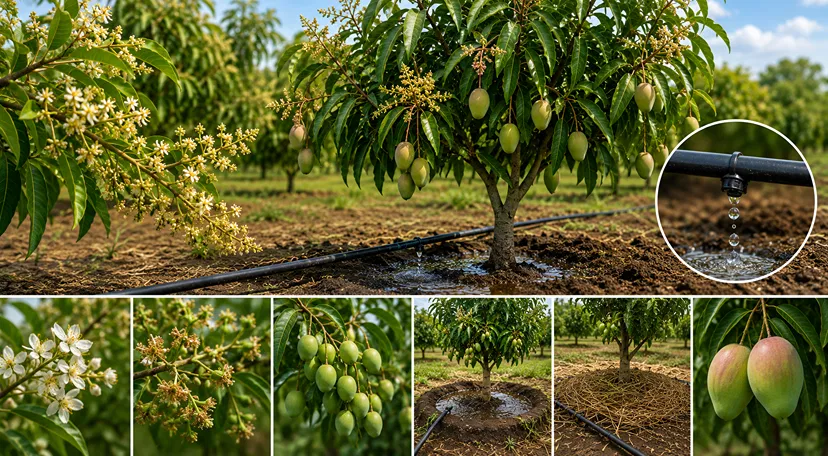
Water is becoming one of agriculture’s most valuable and limited resources. In drought-prone regions and water-scarce farming systems, every drop matters. That’s where drip irrigation farming is making a powerful difference. By delivering water directly to plant roots in small, controlled amounts, drip irrigation helps farmers grow healthier crops while using far less water than traditional methods.
This smart irrigation approach is transforming how farmers manage land, conserve resources, and improve productivity. Whether you’re growing vegetables, fruit trees, row crops, or greenhouse plants, drip irrigation can help create a more efficient and resilient farming operation.
What Is Drip Irrigation Farming?
Drip irrigation farming is a method of watering crops by slowly releasing water through tubes, pipes, or emitters placed near the plant root zone. Instead of flooding a field or spraying water over a large area, drip systems target each plant with precision.
This localized delivery system reduces evaporation, runoff, and wasted water. It also allows farmers to apply fertilizer more efficiently through a process called fertigation, which combines irrigation and nutrient delivery in one system.
Why Drip Irrigation Matters in Water-Scarce Agriculture
In water-scarce agriculture, the challenge is not just growing crops, but growing them sustainably. Traditional irrigation methods often lose a significant amount of water to evaporation, drainage, and uneven distribution. Drip irrigation changes that by maximizing efficiency.
When water is limited, precision becomes more important than volume.
Drip irrigation allows farmers to stretch limited water supplies further, maintain crop health during dry spells, and reduce pressure on wells, canals, and reservoirs. For regions facing climate stress, it is one of the most practical tools available for protecting agricultural productivity.
Key Benefits of Drip Irrigation Farming
1. Significant Water Savings
The biggest advantage of drip irrigation is water efficiency. By delivering water directly to the root zone, farms can use far less water than with flood or sprinkler systems. In many cases, drip irrigation can reduce water use by 30% to 50% or more, depending on crop type and field conditions.
2. Higher Crop Yields
Consistent moisture is essential for healthy plant growth. Drip irrigation helps maintain stable soil moisture, reducing stress on crops. As a result, plants often grow more evenly, produce better fruit quality, and deliver higher yields.
3. Improved Fertilizer Efficiency
With fertigation, nutrients are delivered directly through the irrigation system. This means fertilizers reach the root zone more effectively, reducing waste and improving plant uptake. Farmers can often use less fertilizer while getting better results.
4. Reduced Weed Growth
Because water is applied only near the crop roots, surrounding soil stays drier. This creates less favorable conditions for weeds, reducing competition for water and nutrients and lowering the need for herbicides or manual weeding.
5. Lower Disease Risk
Overhead watering can leave leaves and stems wet, creating conditions for fungal diseases. Drip irrigation keeps foliage dry, which can help reduce disease pressure and improve overall plant health.
How Drip Irrigation Works
A drip irrigation system is made up of several core components:
- Water source: A well, tank, reservoir, or municipal supply
- Pump: Moves water through the system
- Filters: Remove debris and prevent clogging
- Mainline and sub-main pipes: Transport water across the farm
- Drip lines or emitters: Release water slowly near plants
- Pressure regulators: Maintain uniform water flow
- Timers or controllers: Automate irrigation schedules
Each emitter typically releases water at a controlled rate, allowing farmers to match irrigation timing and volume to the needs of specific crops, soil types, and weather conditions.
Best Crops for Drip Irrigation Farming
Drip irrigation works especially well for crops that benefit from precise watering and consistent soil moisture. Common examples include:
- Tomatoes
- Peppers
- Cucumbers
- Strawberries
- Grapes
- Citrus trees
- Avocados
- Melons
- Leafy greens
- Orchard crops
It is also widely used in greenhouses, nurseries, and high-value vegetable production where water efficiency and crop quality are critical.
Drip Irrigation vs. Traditional Irrigation
Compared to flood irrigation or overhead sprinklers, drip irrigation offers better control and less waste. Traditional systems often apply water across the entire field, even where it is not needed. This can lead to runoff, soil erosion, and uneven crop performance.
Drip irrigation, by contrast, delivers water slowly and directly where it matters most. This is especially useful in sandy soils, sloped fields, and areas with limited water access. It also supports more sustainable farming by reducing energy use and conserving natural resources.
Challenges of Drip Irrigation Farming
While drip irrigation offers major benefits, it also comes with a few challenges that farmers should consider.
Initial Setup Cost
Installing a drip system can require a higher upfront investment than simpler irrigation methods. However, many farmers find that the long-term savings in water, fertilizer, and labor justify the cost.
Clogging Risk
Emitters can clog if filters are not maintained properly or if water quality is poor. Regular maintenance and filtration are essential for system reliability.
System Design Complexity
A well-designed drip irrigation system must account for crop spacing, slope, pressure, soil texture, and water demand. Poor design can lead to uneven watering and reduced performance.
Maintenance Requirements
Drip lines, filters, and emitters need routine inspection. Farmers must monitor the system for leaks, pressure issues, and blockages to keep it working efficiently.
How Drip Irrigation Supports Sustainable Farming
As climate change increases water scarcity, sustainable agriculture must focus on doing more with less. Drip irrigation supports this goal in several important ways:
- Conserves water: Uses only the amount needed for plant growth
- Protects soil: Reduces erosion and surface runoff
- Improves resource use: Helps fertilizers and water work more effectively
- Supports resilience: Helps crops survive dry periods and heat stress
- Reduces environmental impact: Lowers waste and limits nutrient loss
For farmers aiming to build long-term resilience, drip irrigation is not just a technology upgrade. It is a strategic investment in the future of farming.
Practical Tips for Getting the Most from Drip Irrigation
- Test your water quality before installation to prevent clogging issues
- Choose the right emitters based on crop needs and soil type
- Use filtration to keep the system running smoothly
- Check pressure regularly to ensure uniform water distribution
- Monitor soil moisture to avoid under- or overwatering
- Inspect and flush lines on a routine schedule
- Adjust irrigation timing based on season, weather, and crop stage
The Future of Water-Scarce Agriculture
Drip irrigation farming is becoming more important as farmers face longer dry seasons, rising water costs, and increasing pressure to produce more food with fewer resources. When combined with soil moisture sensors, smart controllers, and precision agriculture tools, drip systems can become even more efficient and data-driven.
For water-scarce agriculture, the future depends on smarter decisions and better technology. Drip irrigation is one of the clearest examples of how innovation can solve real-world farming challenges while improving yields and sustainability at the same time.
Conclusion
Drip irrigation farming is transforming water-scarce agriculture by conserving water, improving crop yields, reducing waste, and supporting more sustainable production. It gives farmers better control over irrigation and helps crops thrive under difficult conditions.
If your goal is to grow more with less, drip irrigation deserves serious consideration. In a world where water scarcity is only becoming more urgent, this farming method offers a practical, proven path toward greater efficiency and long-term agricultural success.