The choice between direct sowing and starting seed in trays isn't just a matter of convenience — it affects germination rate, root development, and how much transplant stress a young plant has to recover from. Understanding what's actually happening at the root level with each method makes the decision much easier.
How Direct Sowing Works
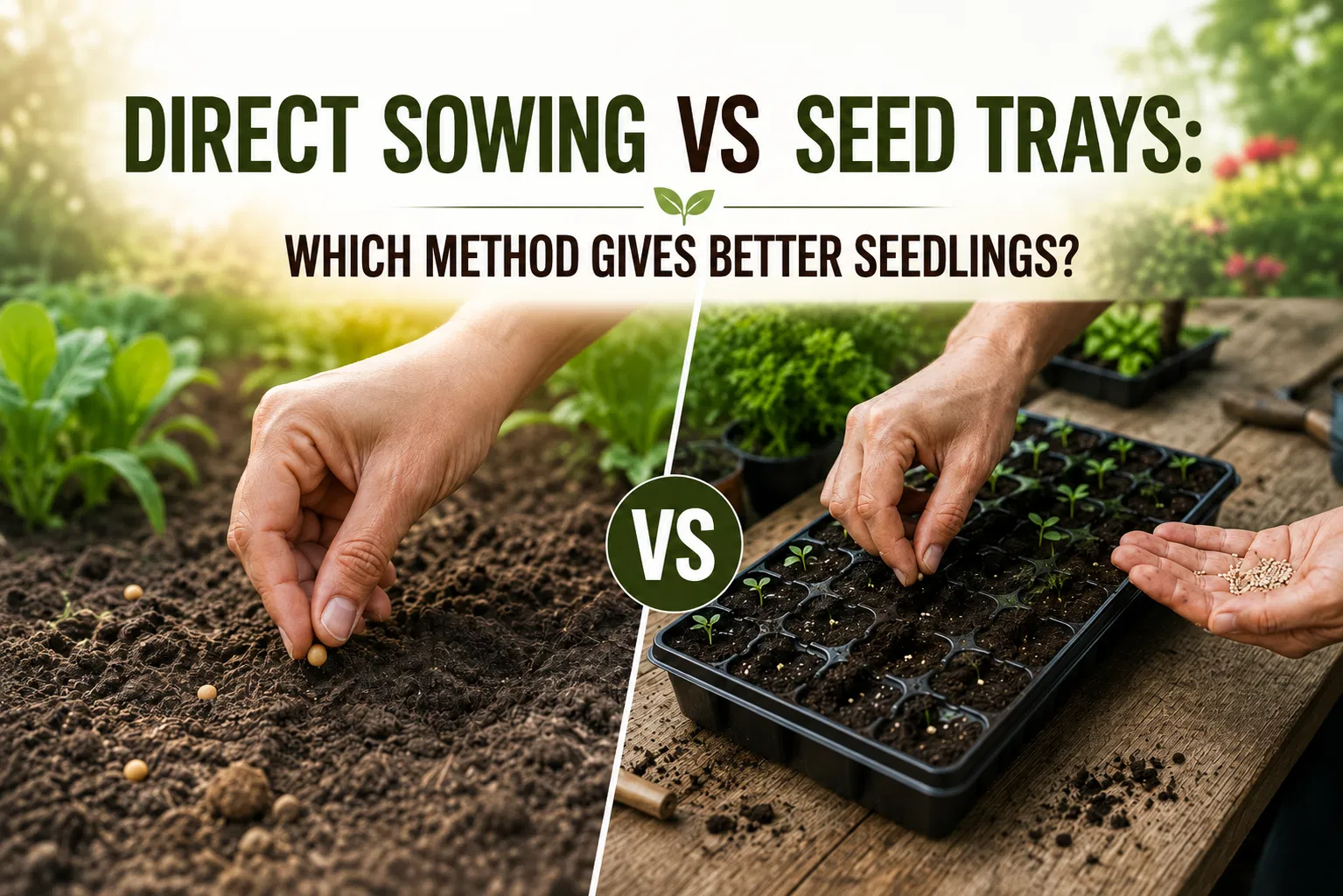
Direct sowing means placing seeds straight into their final pot or grow bag, with no transplanting step. The taproot and lateral roots develop undisturbed from the moment they emerge, which matters a great deal for crops with a single dominant taproot — most root vegetables and vining crops fall into this group, since any disturbance to that taproot during transplanting tends to cause forking, stunting, or a temporary halt in growth.
How Seed Trays Work
Protrays let you germinate many seeds in a small footprint under closely controlled moisture, temperature, and light, then move only the healthiest seedlings into their final pots. This has two real agronomic advantages: it protects the most vulnerable growth stage from outdoor variability, and it lets you select against weak or non-viable seedlings before committing pot space and inputs to them.
Where Direct Sowing Performs Better
Fast-germinating leafy greens, herbs, and taprooted crops establish quickly and generally don't tolerate root disturbance well, so direct sowing avoids the transplant shock that would otherwise set them back. It also suits gardeners who want fewer handling steps and are comfortable accepting a slightly lower germination percentage in exchange for simplicity.
Where Seed Trays Perform Better
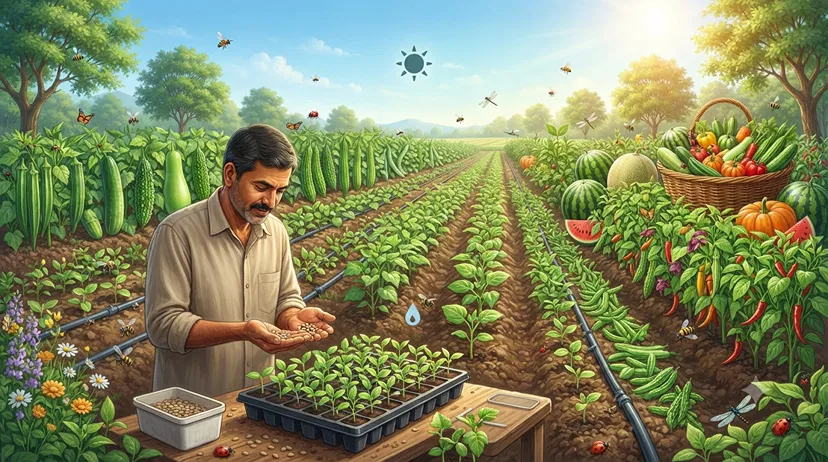
Slower-germinating or more temperature-sensitive crops benefit noticeably from a tray start, since trays buffer against the swings in outdoor temperature and moisture that reduce germination consistency in open pots. Trays are also more space-efficient when starting a large batch of seedlings before you've finalized exactly where each one will be planted, and they make it far easier to spot and discard damping-off-affected seedlings early, before the problem spreads to a full pot.
Getting the Fundamentals Right Either Way
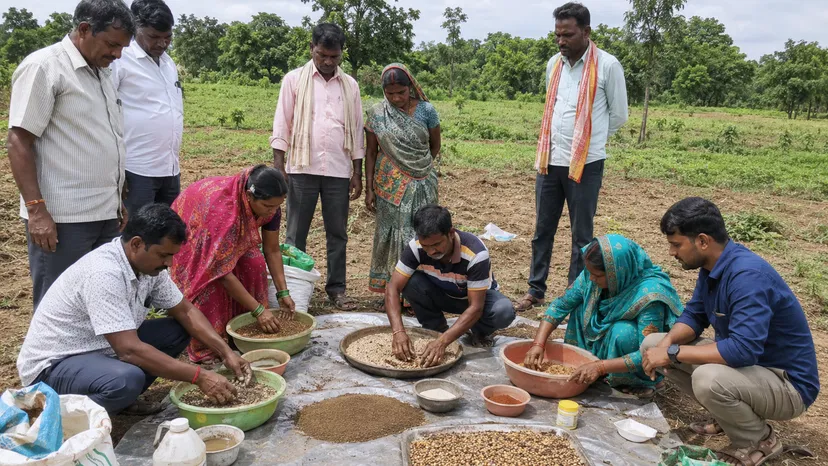
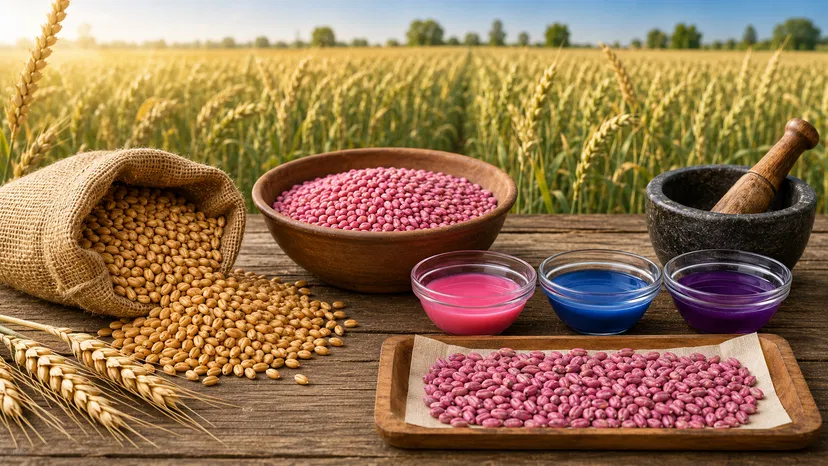
The method matters less than execution. Use a compost-enriched growing medium with good drainage, treat seed with a proper seed treatment before sowing to guard against soil-borne fungi, maintain steady irrigation through germination, and use basic hand tools for clean, gentle transplanting when moving seedlings out of trays. A well-managed seedling from either method will consistently outperform a poorly managed one from the "better" method.
The Practical Answer
Most experienced kitchen gardeners use both methods side by side: direct sowing for root crops and quick-cycling greens, trays for anything slower, more delicate, or being started ahead of the season. Matching the method to the crop's root habit — rather than picking one approach for the whole garden — is what actually produces stronger, more uniform seedlings.
Frequently Asked Questions
Which crops should never be transplanted from a tray?
Carrot, radish, and other single-taproot vegetables should generally be sown directly — transplanting damages the taproot and results in forked, misshapen roots at harvest.
Do seed trays give a higher germination rate than direct sowing?
Often yes, because trays offer more consistent moisture and temperature, which are the two biggest variables affecting germination success. The gap is largest for slower-germinating or temperature-sensitive seed.
How long should seedlings stay in a tray before transplanting?
Most vegetable seedlings are ready to transplant once they've developed their first true leaves — typically 2–3 weeks after sowing — and before the roots become tightly rootbound in the tray cell.