When plant diseases start spreading, they can quickly weaken crops, reduce yields, and damage quality. Copper oxychloride is one of the most trusted protective fungicides and bactericides used in agriculture to help control a wide range of fungal and bacterial diseases. Known for its broad-spectrum action and reliable performance, it remains a valuable tool for farmers, gardeners, and growers looking to protect plants before infection takes hold.
In this guide, we'll explore the main uses of copper oxychloride in fungal and bacterial diseases, how it works, where it is commonly applied, and why it continues to be an important crop protection solution.
What Is Copper Oxychloride?
Copper oxychloride is a copper-based protective pesticide used to prevent and suppress many plant diseases. It works by releasing copper ions that interfere with the growth and reproduction of disease-causing fungi and bacteria. Because it acts on the surface of plants, it is best used as a preventive treatment rather than a cure for advanced infections.
This product is widely used in fruits, vegetables, ornamentals, and plantation crops. It is especially popular in humid and warm climates, where fungal and bacterial diseases spread rapidly.
How Copper Oxychloride Works
Copper oxychloride protects plants by forming a coating on leaves, stems, fruits, and other plant parts. When moisture is present, it slowly releases copper ions that attack disease organisms. These ions disrupt essential enzymes and cell functions in fungi and bacteria, stopping them from multiplying.
Because it remains on the plant surface, copper oxychloride creates a protective barrier. That is why it is most effective when applied before disease symptoms become severe or when conditions favor infection.
Uses of Copper Oxychloride in Fungal Diseases
Copper oxychloride is widely used to manage several fungal diseases that affect crop health and productivity. It is especially valuable in disease-prone periods such as rainy seasons, high humidity, and dense crop canopies.
1. Downy Mildew
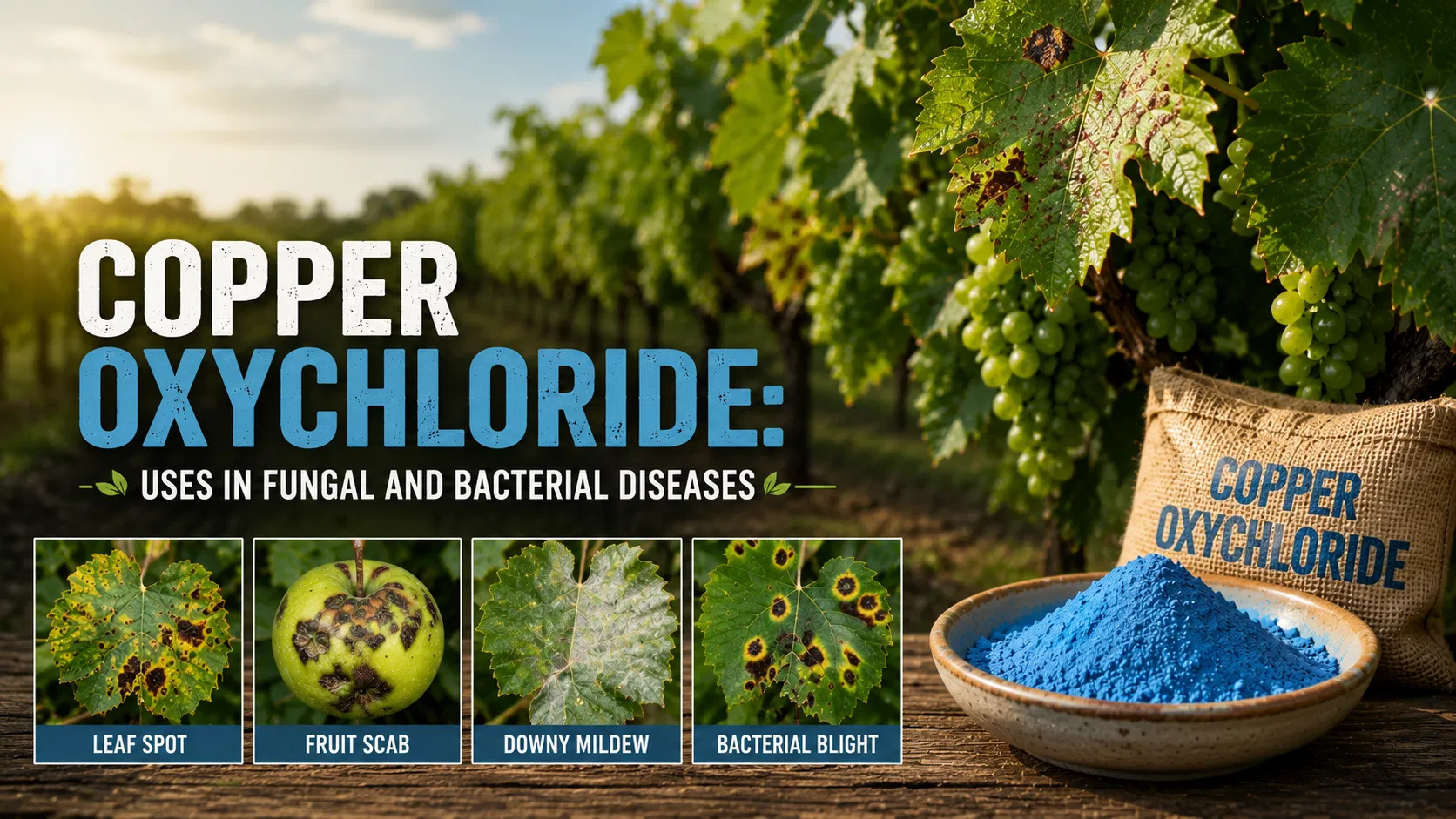
Downy mildew is a major fungal problem in crops like grapes, onions, cucurbits, and leafy vegetables. Copper oxychloride helps prevent the spread of spores and protects new plant growth from infection.
2. Early and Late Blight
In crops such as potato and tomato, blight can destroy foliage and fruits quickly. Copper oxychloride is commonly used as a protective spray to reduce infection pressure and limit disease development.
3. Leaf Spot Diseases
Many crops suffer from leaf spot fungi that reduce photosynthesis and weaken plants. Copper oxychloride helps control these diseases by protecting leaf surfaces from fungal invasion.
4. Anthracnose
Anthracnose affects fruits, leaves, stems, and flowers in many crops, including mango, chilli, beans, and papaya. Copper oxychloride is used to reduce the spread of anthracnose spores and protect developing plant tissue.
5. Powdery and Other Surface Fungal Infections
Although copper oxychloride is not the strongest option for every powdery mildew outbreak, it can still be part of an integrated disease management program, especially where mixed infections are present.
Uses of Copper Oxychloride in Bacterial Diseases
One of the key strengths of copper oxychloride is its effectiveness against many bacterial diseases. Since bacteria can spread through rain, pruning wounds, insects, and contaminated tools, preventive copper sprays are often used to reduce outbreaks.
1. Bacterial Leaf Spot
Bacterial leaf spot causes dark, water-soaked lesions on leaves and can spread quickly in wet weather. Copper oxychloride helps suppress bacterial activity and reduce further damage.
2. Bacterial Blight
Bacterial blight can affect beans, rice, pome fruits, and other crops. Copper oxychloride is frequently used as a protective spray to slow bacterial spread and protect healthy tissue.
3. Citrus Canker
Citrus canker is a serious bacterial disease that affects leaves, stems, and fruits. Copper oxychloride is one of the commonly used protectants to reduce infection and help maintain fruit quality.
4. Soft Rot and Other Bacterial Problems
In some crops, copper oxychloride can help limit bacterial contamination and reduce the spread of soft rot and similar infections, especially when combined with good sanitation practices.
Common Crops Treated with Copper Oxychloride
Copper oxychloride is used across a wide range of crops because of its broad-spectrum protective action. Some of the most common crops include:
- Tomato
- Potato
- Grapes
- Citrus
- Mango
- Chilli and pepper
- Onion
- Beans
- Cucurbits
- Tea and other plantation crops
Its usefulness across multiple crop types makes it a versatile choice for disease management programs in commercial farming and home gardens alike.
Benefits of Copper Oxychloride
Farmers and growers use copper oxychloride because it offers several practical advantages:
- Broad-spectrum protection against fungal and bacterial diseases
- Preventive action that helps stop infections before they spread
- Reliable performance in humid and rainy conditions
- Suitable for many crops and disease programs
- Useful in integrated pest management when combined with sanitation and monitoring
These benefits make copper oxychloride a dependable option for growers who want consistent disease protection during high-risk periods.
Best Practices for Using Copper Oxychloride
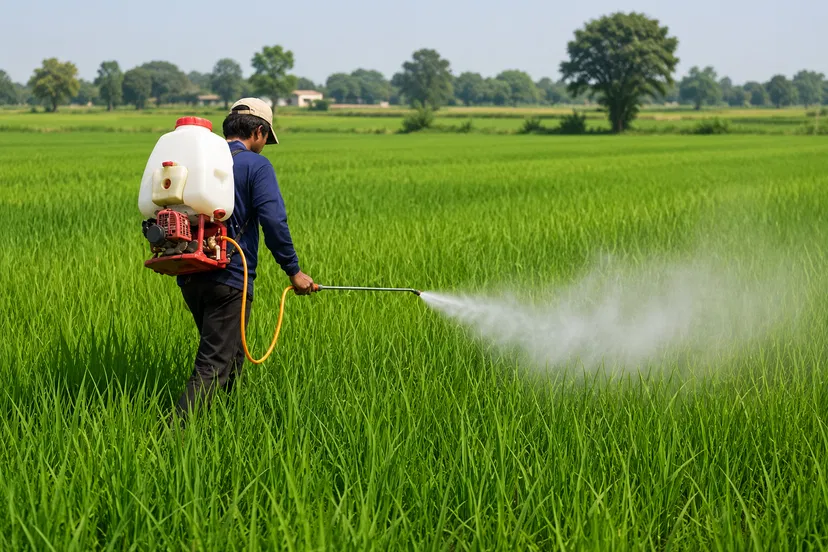
To get the best results, copper oxychloride should be used correctly and strategically. Since it is a protectant, timing matters.
- Apply early before diseases become severe.
- Use during favorable disease conditions such as wet weather or high humidity.
- Ensure full coverage of leaves, stems, and fruits for effective protection.
- Repeat according to label instructions and local disease pressure.
- Rotate with other crop protection tools as part of an integrated disease management plan.
Copper oxychloride works best as a shield, not a rescue treatment. Preventive use is the key to effective disease control.
Important Safety and Usage Considerations
Like all copper-based products, copper oxychloride should be used carefully. Overuse can lead to copper buildup in soil and possible plant injury, especially on sensitive crops or when applied under hot conditions.
To use it safely and effectively:
- Follow the product label and local agricultural recommendations
- Avoid unnecessary repeated spraying
- Use protective equipment during application
- Do not mix with incompatible chemicals unless advised
- Monitor plants for phytotoxicity on sensitive varieties
Responsible use helps preserve soil health, plant safety, and long-term product effectiveness.
Why Copper Oxychloride Remains a Trusted Disease Control Option
Even with modern crop protection products available, copper oxychloride continues to be widely used because it offers dependable control against many fungal and bacterial diseases. Its long history, broad disease coverage, and role in preventive spraying make it a practical choice for many farming systems.
For growers dealing with recurring disease pressure, especially in wet or tropical regions, copper oxychloride can be an important part of a well-planned disease management strategy.
Conclusion
Copper oxychloride remains one of the most effective protective tools for managing fungal and bacterial diseases in crops. From downy mildew and blights to bacterial leaf spot and citrus canker, its broad-spectrum action helps safeguard plant health and reduce crop losses.
Used wisely and at the right time, it can support stronger, healthier crops and better yields. For the best results, combine copper oxychloride with good sanitation, crop monitoring, and integrated disease management practices. If your crops face regular fungal or bacterial threats, this proven protectant deserves a place in your disease control program.