If you're looking to boost plant health, improve root development, and support soil biology, you may be wondering whether combining Trichoderma with biofertilizers is a smart move. The short answer: it can be safe and effective when done correctly. But compatibility matters, and not every product mix works the same way.
Trichoderma is widely used as a beneficial fungus for disease suppression and root stimulation, while biofertilizers supply living microorganisms that help plants access nutrients. Together, they can create a powerful biological support system for crops. Still, timing, formulation, and application method determine whether the combination works harmoniously or undermines results.
What Is Trichoderma?
Trichoderma is a genus of beneficial fungi commonly used in agriculture and gardening. It colonizes the root zone, competes with harmful pathogens, and can help plants absorb nutrients more efficiently. Farmers and home growers often use it to support healthier root systems and reduce soil-borne diseases.
Trichoderma is popular because it can:
- Suppress pathogenic fungi in the soil
- Improve root vigor and growth
- Enhance nutrient availability
- Support plant stress tolerance
What Are Biofertilizers?
Biofertilizers are formulations containing beneficial microorganisms that improve soil fertility and plant nutrition. Unlike synthetic fertilizers, they do not directly feed plants with chemical nutrients. Instead, they work biologically by fixing nitrogen, solubilizing phosphorus, or stimulating root activity.
Common biofertilizers include:
- Rhizobium for nitrogen fixation in legumes
- Azotobacter and Azospirillum for free-living nitrogen fixation
- Phosphate-solubilizing bacteria to release bound phosphorus
- Mycorrhizal fungi to improve water and nutrient uptake
Can Trichoderma and Biofertilizers Be Used Together?
Yes, in many cases Trichoderma can be combined with biofertilizers safely. In fact, the combination may improve plant performance because each plays a different biological role. Trichoderma generally helps protect roots and stimulate growth, while biofertilizers improve nutrient availability.
When compatible, this pairing can lead to:
- Stronger root systems
- Better nutrient uptake
- Improved soil microbial activity
- Reduced disease pressure
- Healthier crop establishment
The key is not simply mixing products, but mixing the right products in the right way.
Is It Safe?
Generally, yes—combining Trichoderma with biofertilizers is safe when the microorganisms are compatible and the application follows label instructions. However, some combinations may reduce microbial viability if the formulations conflict or if chemical residues are present in the soil or carrier materials.
Safety depends on several factors:
- Microbial compatibility: Some strains may coexist well, while others may compete.
- Product formulation: Liquid and powder products behave differently in storage and application.
- Application environment: Heat, direct sunlight, and dry conditions can reduce microbial survival.
- Chemical interference: Fungicides, high-salt fertilizers, or disinfectants may harm beneficial microbes.
Benefits of Combining Trichoderma With Biofertilizers
1. Better Root Colonization
Trichoderma helps establish a beneficial microbial presence around roots, while biofertilizers enhance the biological activity of the rhizosphere. This can create a more active and resilient root zone.
2. Improved Nutrient Efficiency
Biofertilizers make nutrients more available, and Trichoderma can support root growth, helping plants absorb those nutrients more effectively. This is especially useful in nutrient-poor or biologically depleted soils.
3. Disease Suppression
Trichoderma is known for antagonistic activity against harmful soil fungi. When paired with beneficial bacteria or fungi in biofertilizers, it may help build a more balanced and disease-resistant soil ecosystem.
4. Reduced Dependence on Chemicals
A healthy biological soil program can reduce the need for synthetic inputs over time. This makes the combination attractive for sustainable farming, organic production, and environmentally conscious growers.
When the Combination May Not Be Safe
Although the combination is often beneficial, there are situations where it may fail or become less effective. Understanding these risks is essential.
- Using incompatible microbial strains: Some species or strains may inhibit each other.
- Mixing with fungicides: Fungicidal residues can kill Trichoderma and reduce biofertilizer performance.
- Improper storage: Heat, moisture, and expired products can lower microbial viability.
- Wrong tank mixing order: Poor mixing practices may damage live organisms.
- Highly alkaline or saline conditions: Extreme soil or water conditions can reduce microbial survival.
How to Combine Trichoderma With Biofertilizers Safely
To get the best results, follow a few practical guidelines.
1. Check Product Labels
Always read the manufacturer's instructions. Some products are designed to be used together, while others should be applied separately. The label may also specify suitable crops, dosage, and application methods.
2. Avoid Mixing With Fungicides or Harsh Chemicals
Do not combine these biological inputs with fungicides, disinfectants, chlorinated water, or highly concentrated fertilizers unless the label explicitly says it is safe.
3. Use Fresh, Viable Products
Microbial products lose effectiveness over time. Store them in cool, dry conditions and use them before expiration for maximum benefit.
4. Apply at the Right Time
For best results, apply Trichoderma and biofertilizers during cooler parts of the day, ideally when soil moisture is adequate. Avoid harsh sunlight and dry soil conditions immediately after application.
5. Test on a Small Area First
If you are using a new combination, trial it on a small plot before applying it across the entire field. This helps you observe compatibility and plant response.
Best Application Methods
The safest method depends on the crop and formulation, but common approaches include:
- Seed treatment – Coating seeds with compatible biologicals before sowing.
- Soil drenching – Applying a diluted solution near the root zone.
- Root dipping – Treating seedlings before transplanting.
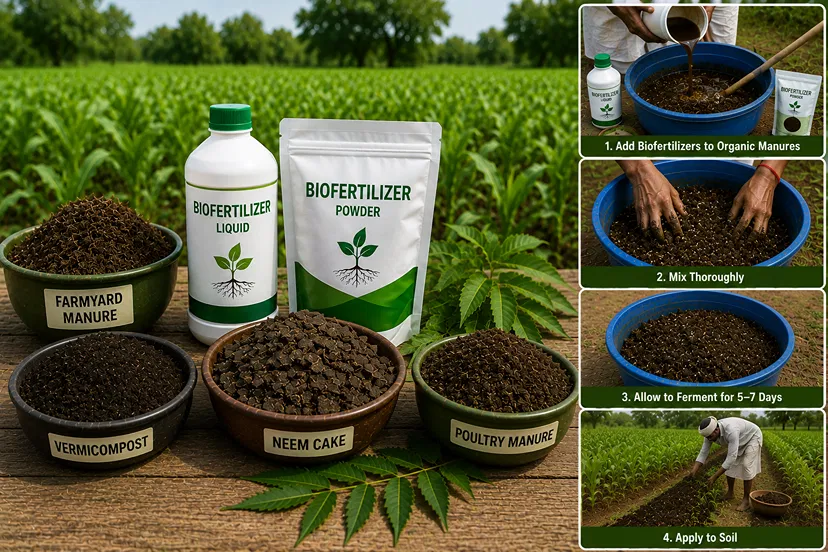
- Compost enrichment – Mixing biologicals into organic matter before field application.
These methods often support better microbial establishment than random tank mixing or broadcast application alone.
Common Mistakes to Avoid
- Using expired or poorly stored inoculants
- Combining products without checking compatibility
- Applying during extreme heat or dry conditions
- Using treated water containing chlorine or sanitizers
- Expecting instant results without allowing microbes time to establish
Final Verdict: Should You Combine Trichoderma With Biofertilizers?
Yes, combining Trichoderma with biofertilizers is generally safe and often beneficial—as long as the products are compatible and used properly. This combination can strengthen roots, improve nutrient uptake, and support healthier, more resilient soil biology.
The most important rule is to treat these as living products, not just agricultural inputs. Handle them carefully, avoid chemical conflicts, and follow application guidelines closely. When managed well, Trichoderma and biofertilizers can work together to create a powerful, sustainable plant nutrition and protection strategy.
Bottom line: if you want stronger plants and healthier soil, this biological partnership is worth considering. Start small, follow best practices, and let your soil biology do the work.