Few things frustrate citrus growers more than watching healthy-looking fruit start to fall before harvest. Citrus fruit drop can happen suddenly or build up over time, leaving trees with fewer marketable fruits and lower yields. The good news is that fruit drop is often a symptom of a manageable problem. By understanding the causes, spotting nutritional deficiencies early, and using the right pest management practices, you can protect your citrus crop and improve fruit retention.
What Is Citrus Fruit Drop?
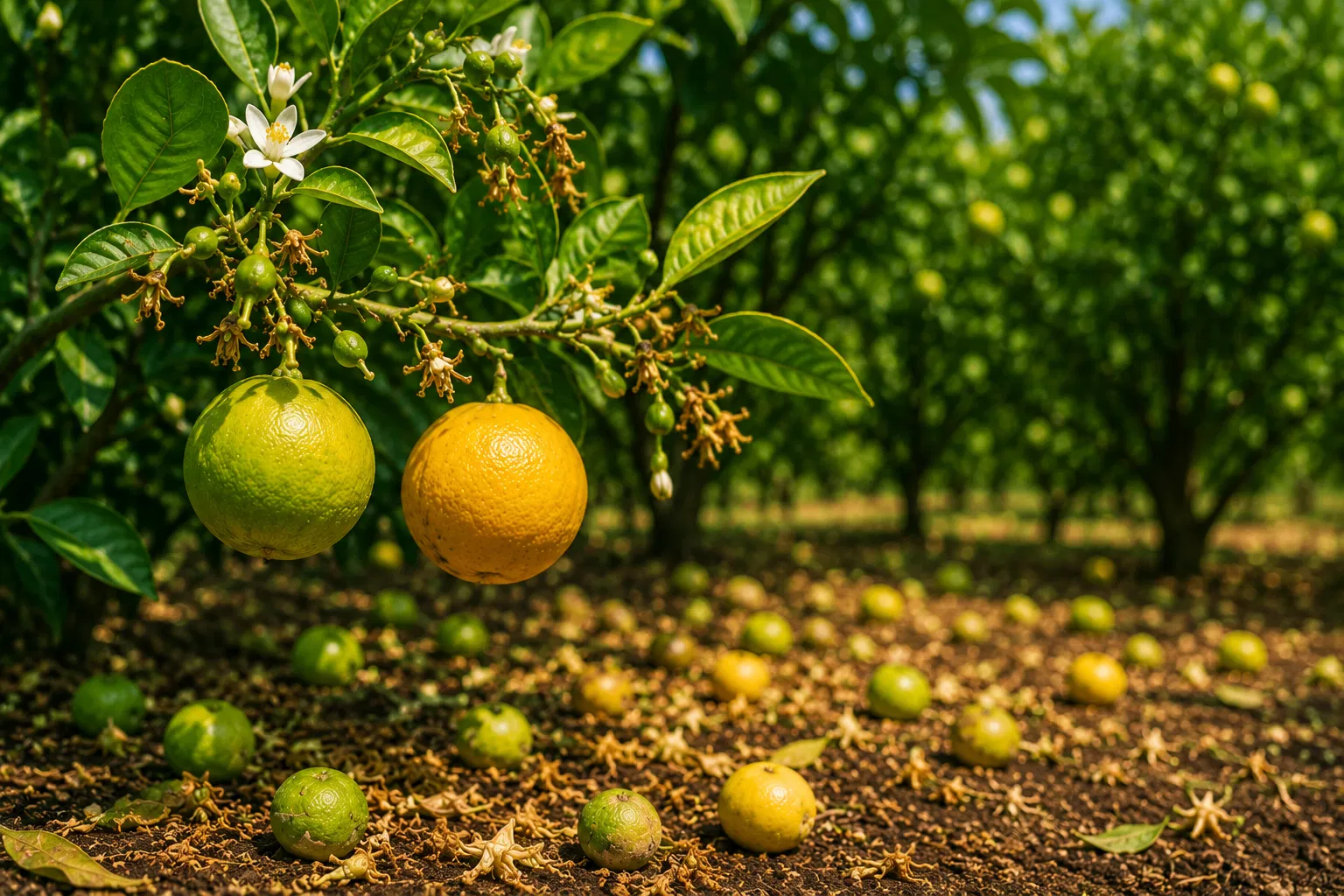
Citrus fruit drop is the premature shedding of young or mature fruit from citrus trees such as oranges, lemons, limes, grapefruits, and mandarins. Some drop is natural, especially after flowering and during early fruit development. However, excessive fruit drop usually signals stress from environmental conditions, poor nutrition, pests, or disease.
When fruit drop becomes severe, growers may notice:
- Small fruit falling soon after fruit set
- Yellowing leaves along with fruit loss
- Misshapen or undersized fruit
- Fruit drop during hot, dry, or windy weather
- Chewed, scarred, or damaged fruit before abscission
Main Causes of Citrus Fruit Drop
Several factors can trigger fruit drop in citrus trees. Identifying the main cause is essential because the solution depends on the source of stress.
1. Water Stress
Inconsistent irrigation is one of the most common causes of citrus fruit drop. Trees that alternate between drought stress and overwatering often shed fruit because the roots and canopy cannot maintain stable growth conditions. A sudden lack of moisture can cause fruit to detach, especially in young orchards.
2. Temperature Extremes
High heat, cold snaps, and strong winds can disrupt fruit development. Excessive heat increases water loss, while frost or unexpected cold weather can injure blossoms and developing fruit. Wind can also physically shake fruit loose, especially when trees are already stressed.
3. Poor Pollination and Natural Fruit Thinning
Citrus trees often set more fruit than they can support. Some early fruit drop is normal as the tree self-thins. If pollination is poor, fruit may form weakly and fall before reaching maturity. While this is part of the tree's natural balance, it can become excessive if the tree is under additional stress.
4. Nutritional Deficiencies
Nutrition plays a major role in fruit retention. Deficiencies in key nutrients can weaken flowers, reduce fruit set, and increase fruit drop. This is especially common in sandy soils, heavily cropped orchards, or trees with unbalanced fertilization.
5. Pest and Disease Pressure
Insects and diseases can directly damage fruit or indirectly weaken the tree. Feeding injury, sap loss, and leaf damage reduce the plant's ability to support developing fruit. Diseases that attack roots, stems, leaves, or fruit can also lead to premature drop.
Nutritional Deficiencies Linked to Citrus Fruit Drop
Balanced nutrition is critical for healthy fruit development. When citrus trees lack essential nutrients, fruit retention suffers. The most important deficiencies to watch for include nitrogen, potassium, calcium, magnesium, and micronutrients such as zinc and boron.
Nitrogen Deficiency
Nitrogen supports vegetative growth and fruit development. Deficient trees often show pale green leaves, weak shoots, and reduced vigor. When nitrogen levels are too low, the tree may not have enough energy to hold developing fruit.
Potassium Deficiency
Potassium is vital for fruit quality, water regulation, and stress tolerance. A shortage can lead to smaller fruit, poor color, and increased fruit drop. Trees may also show leaf edge scorching or uneven growth.
Calcium Deficiency
Calcium helps strengthen cell walls and supports fruit integrity. Low calcium can reduce fruit firmness and make fruit more likely to abort under stress. This deficiency is often worse in rapidly growing trees or orchards with irregular watering.
Magnesium Deficiency
Magnesium is essential for photosynthesis. When leaves cannot produce enough energy, fruit development suffers. Symptoms often include yellowing between the veins of older leaves.
Zinc and Boron Deficiencies
Zinc supports shoot growth and flowering, while boron is important for pollen viability and fruit set. Deficiencies in these micronutrients can lead to poor flowering, weak fruit attachment, and early drop.
Tip: A soil test and leaf tissue analysis are the best ways to confirm nutrient problems before applying fertilizer.
Pest Problems That Cause Citrus Fruit Drop
Pests can damage citrus fruit directly or weaken the tree enough to trigger fruit shedding. Regular scouting is the foundation of effective pest management.
Citrus Thrips
Citrus thrips feed on young fruit, leaving scarring and distorted surfaces. Heavy infestations can reduce fruit quality and cause premature drop, especially in young fruit stages.
Scale Insects
Scale insects suck sap from leaves and stems, reducing tree vigor. Severe infestations can lead to yellowing, branch dieback, and fruit drop due to overall stress.
Mites
Mites damage leaves and fruit skin, causing bronzing, stippling, and reduced photosynthetic activity. When infestations are high, the tree may shed fruit because it cannot support development properly.
Fruit Piercing and Chewing Pests
Birds, rodents, and certain insects may puncture or feed on fruit. Damaged fruit is more likely to fall prematurely, especially if the injury is severe or accompanied by disease.
Root Weevils and Soil Pests
Some pests attack roots or lower trunks, limiting water and nutrient uptake. Once the root system is compromised, fruit retention often declines quickly.
Effective Pest Management for Citrus Fruit Drop
Managing pests is not just about spraying insecticides. The best results come from an integrated pest management approach that combines monitoring, cultural practices, biological control, and targeted treatments.
1. Scout Trees Regularly
Inspect leaves, stems, fruit, and the undersides of foliage at least once a week during active growth. Early detection makes treatment more effective and reduces the chance of major fruit loss.
2. Encourage Beneficial Insects
Natural enemies such as lady beetles, lacewings, and parasitic wasps help control many citrus pests. Avoid unnecessary broad-spectrum sprays that can disrupt these helpful populations.
3. Maintain Tree Health
Healthy trees are more resilient to pest pressure. Proper irrigation, mulching, pruning, and fertilization reduce stress and make it harder for pests to cause fruit drop.
4. Use Targeted Controls When Needed
If pest populations exceed economic thresholds, use approved control measures carefully. Select products based on the pest present, follow label directions, and time applications to protect pollinators and beneficial insects.
5. Remove Severely Infested Material
Prune out heavily damaged branches or fruit clusters when practical. Removing infested material can reduce pest buildup and improve airflow in the canopy.
How to Prevent Citrus Fruit Drop
Preventing fruit drop starts with reducing stress across the orchard. A proactive management plan gives trees the best chance to hold fruit from set to harvest.
- Provide consistent irrigation, especially during flowering and fruit development
- Apply fertilizer based on soil and leaf analysis
- Monitor trees for early pest and disease symptoms
- Avoid overloading young trees with fruit
- Protect trees from extreme temperature stress where possible
- Keep the orchard floor clean and manage weeds that compete for water and nutrients
When Fruit Drop Is Normal vs. Concerning
Not all fruit drop is a sign of trouble. Citrus trees naturally shed some fruit after bloom as part of self-regulation. This is often most noticeable when tiny fruitlets fall shortly after flowering. However, if larger fruit begin dropping, or if drop is accompanied by leaf yellowing, branch dieback, pest damage, or poor vigor, further investigation is needed.
As a rule, consistent and heavy fruit loss is not normal and should be treated as a warning sign. The earlier the cause is identified, the easier it is to protect the remaining crop.
Conclusion
Citrus fruit drop is a complex issue, but it is usually manageable with the right approach. Water stress, nutritional deficiencies, temperature extremes, pests, and disease all play a role in premature fruit loss. By maintaining balanced nutrition, monitoring for pests, and keeping trees healthy and well-irrigated, growers can significantly improve fruit retention and overall yield.
Final insight: The best defense against citrus fruit drop is consistency. Healthy roots, balanced feeding, and timely pest management work together to keep fruit on the tree until harvest. If fruit drop is becoming a pattern, start with a soil test, a leaf analysis, and a careful orchard inspection to find the real cause.