When crops need a fast, reliable nitrogen boost without sacrificing soil health, calcium ammonium nitrate (CAN) is often the fertilizer farmers turn to. Known for its balanced nutrient profile and dependable performance, CAN plays a valuable role in modern crop nutrition. It delivers nitrogen in an efficient form while also supplying calcium, making it especially useful for supporting strong plant growth, improving yield quality, and helping maintain soil structure.
In this guide, we’ll explore calcium ammonium nitrate uses and application, why it matters in agriculture, and how to apply it effectively for better results.
What Is Calcium Ammonium Nitrate?
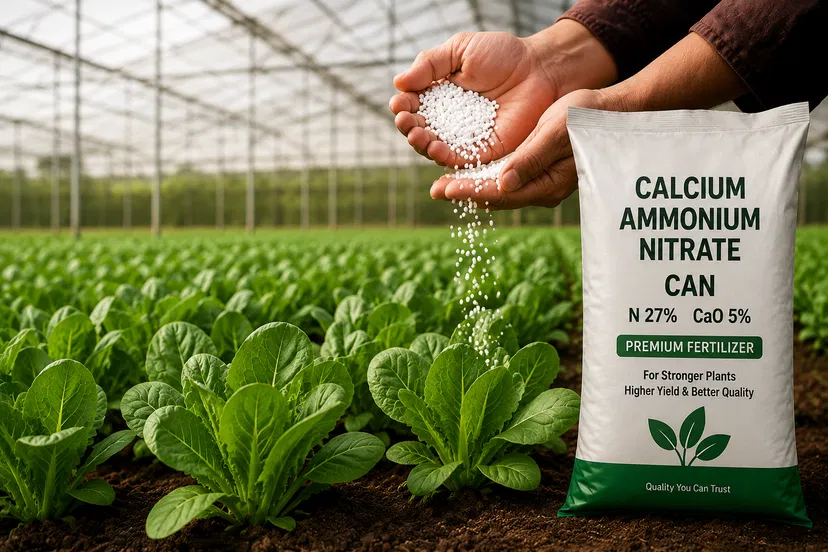
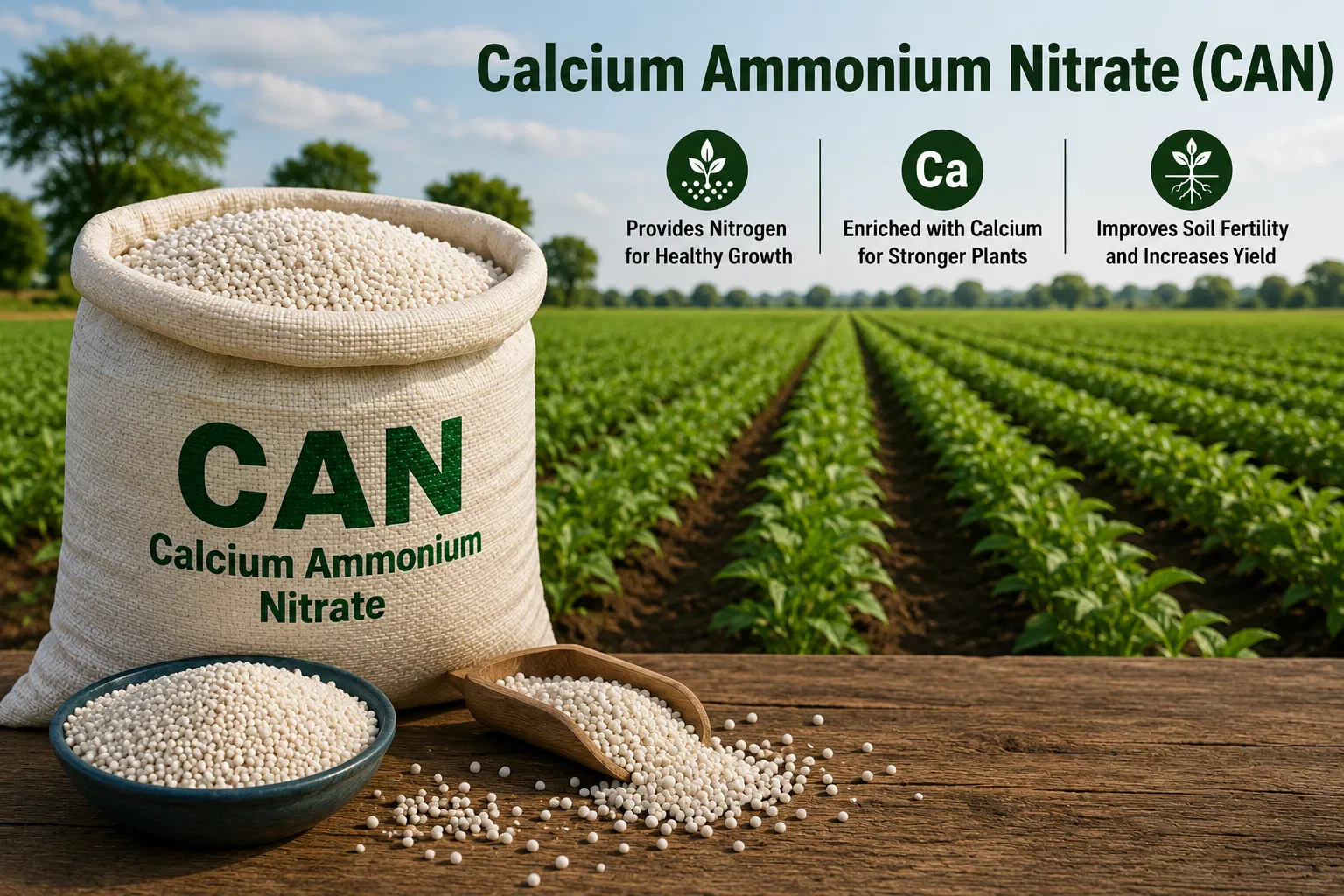
Calcium ammonium nitrate is a granular nitrogen fertilizer made by combining ammonium nitrate with limestone or dolomite. This gives it a lower acidity than many other nitrogen fertilizers and makes it easier on the soil over time. CAN typically contains both nitrogen and calcium, two nutrients essential for healthy plant development.
Because it is stable, easy to spread, and quickly available to plants, CAN is widely used in cereal crops, vegetables, fruits, and pasture systems. Its balanced composition makes it a practical choice for both large-scale farming and intensive crop production.
Key Uses of Calcium Ammonium Nitrate
CAN is valued for more than just nitrogen delivery. Its uses extend across several crop categories and growing conditions.
1. Providing Fast-Acting Nitrogen
One of the main uses of calcium ammonium nitrate is to supply readily available nitrogen to plants. Nitrogen is essential for leaf growth, chlorophyll production, and overall vigor. Crops often need extra nitrogen during periods of rapid growth, and CAN helps meet that demand efficiently.
2. Supporting Calcium Nutrition
In addition to nitrogen, CAN provides calcium, which is important for cell wall development, root growth, and fruit quality. Calcium also helps reduce disorders linked to nutrient imbalance, especially in vegetables and fruits.
3. Improving Soil Conditions
Compared with more acid-forming fertilizers, CAN has a milder effect on soil pH. This makes it useful in systems where growers want to avoid excessive soil acidification while still maintaining strong nitrogen availability.
4. Boosting Crop Yield and Quality
CAN is frequently used to improve yield potential in high-demand crops. It supports vegetative growth, helps plants recover after stress, and can contribute to better produce quality, including size, color, and firmness in certain crops.
Major Benefits of Calcium Ammonium Nitrate
Farmers and growers choose CAN because it offers a reliable combination of performance and practicality. Here are some of its biggest advantages:
- Efficient nitrogen release for quick crop response
- Calcium supply to support plant structure and fruit development
- Reduced soil acidification compared with some other nitrogen fertilizers
- Good spreading characteristics for uniform field application
- Versatility across a wide range of crops and soil types
- Improved crop resilience during growth and stress periods
These benefits make CAN especially attractive in nutrient management programs where both yield and soil balance matter.
Best Crops for Calcium Ammonium Nitrate Application
CAN can be used on many crops, but it is particularly effective in systems with high nitrogen demand or calcium sensitivity.
Cereal Crops
Wheat, barley, maize, and other cereals respond well to CAN during active growth stages. It helps promote tillering, leaf development, and grain filling.
Vegetables
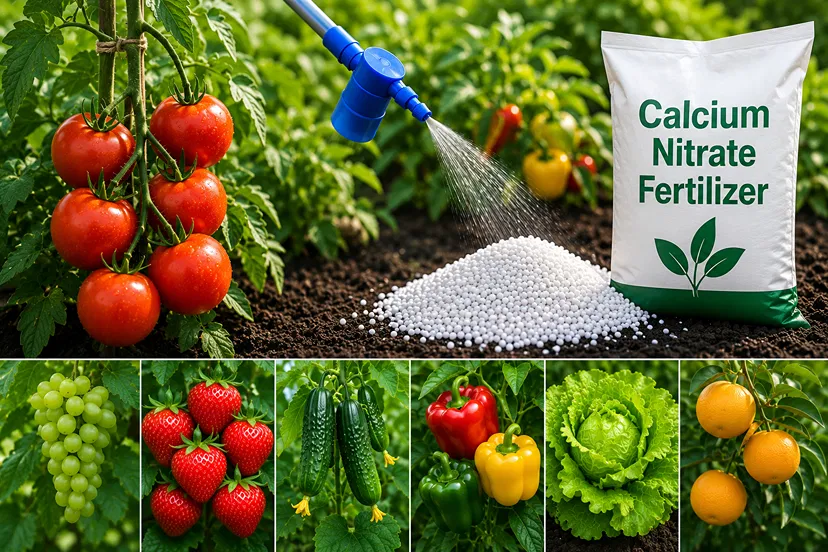
Leafy greens, tomatoes, potatoes, cabbage, and onions often benefit from CAN because of its quick nitrogen availability and calcium support. This can be especially important in crops where quality and shelf life are important.
Fruit Crops
Apples, strawberries, grapes, and other fruit crops may benefit from calcium-enriched fertilization. CAN can support fruit firmness, reduce certain physiological disorders, and improve overall marketable yield.
Pastures and Forage
Pasture grasses and forage systems often need regular nitrogen replenishment. CAN helps maintain strong regrowth and improves feed productivity.
How to Apply Calcium Ammonium Nitrate
Proper application is essential to get the best results from CAN. The right timing, rate, and method depend on crop type, soil condition, and growth stage.
1. Apply at the Right Growth Stage
CAN is most effective when applied during periods of active plant growth. For many crops, this means early vegetative stages or just before peak nitrogen demand. Split applications are often better than a single large dose.
2. Use Even Broadcasting
Granular CAN works well with broadcast spreaders. Uniform distribution is important to prevent patchy growth and nutrient imbalance across the field.
3. Incorporate Into Soil When Possible
Although CAN can be surface-applied, incorporating it into the soil may improve nutrient efficiency and reduce losses in certain conditions. In irrigated systems, timely watering after application can also help move nutrients into the root zone via irrigation.
4. Match the Rate to Crop Needs
Do not overapply. The correct rate should be based on soil testing, expected yield, crop type, and local agronomic recommendations. Excess nitrogen can reduce efficiency and increase environmental risk.
The best fertilizer strategy is not simply about applying more nutrients—it is about applying the right nutrients, at the right time, in the right amount.
Application Tips for Better Results
To make the most of calcium ammonium nitrate, follow these practical tips:
- Test soil before planning fertilizer rates
- Split nitrogen applications for better uptake efficiency
- Avoid application before heavy rainfall to reduce nutrient loss
- Store CAN in a dry place to prevent caking and maintain quality
- Calibrate spreaders to ensure accurate delivery
- Combine with a complete nutrient plan, including phosphorus and potassium where needed
These simple steps can improve nutrient use efficiency and help protect both crop performance and soil health.
Safety and Storage Considerations
Like any fertilizer, CAN should be handled responsibly. Keep it away from moisture, flammable materials, and incompatible products. Use proper protective equipment during handling, and always follow local safety guidelines and manufacturer instructions.
Because CAN contains ammonium nitrate, it should be stored carefully in secure, dry conditions. Proper storage helps preserve product quality and reduces unnecessary risk.
Calcium Ammonium Nitrate vs. Other Nitrogen Fertilizers
Compared with urea or ammonium sulfate, CAN offers a more balanced nutrient profile and a lower tendency to acidify soil. Urea may require conversion before plants can use it, while CAN provides more immediate availability. Ammonium sulfate supplies sulfur as well, but it is typically more acid-forming than CAN.
This makes CAN a strong option for growers who want a dependable nitrogen source with added calcium and a gentler soil impact.
Conclusion
Calcium ammonium nitrate is a highly effective fertilizer for farmers and growers seeking fast nitrogen delivery, added calcium, and consistent crop performance. Its versatility makes it suitable for cereals, vegetables, fruits, and pasture systems, while its balanced composition supports both plant growth and soil management.
For best results, use CAN as part of a well-planned nutrient strategy, apply it at the right time, and match application rates to crop and soil needs. If you want stronger growth, better yield potential, and a practical fertilizer approach, CAN remains a smart and proven choice.