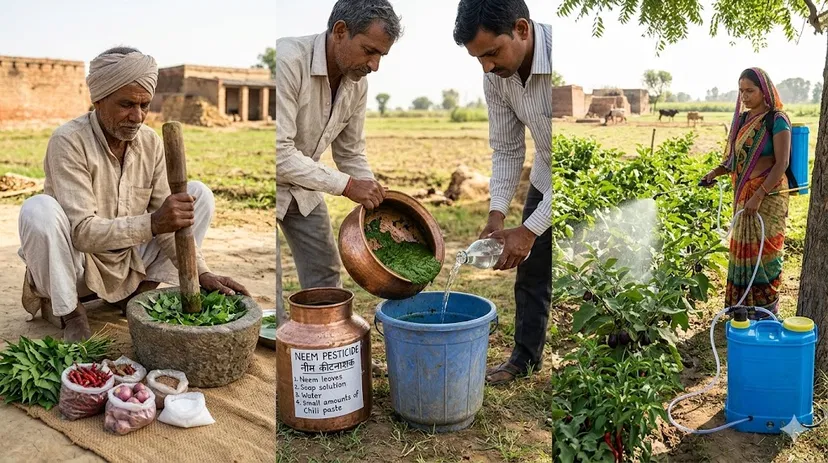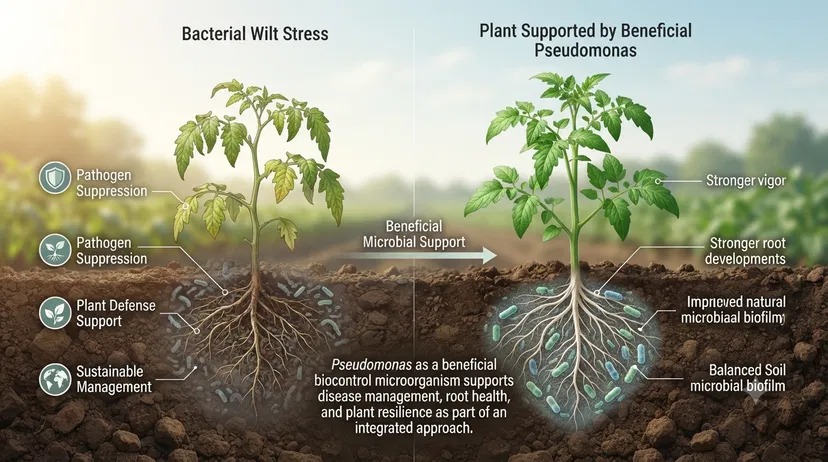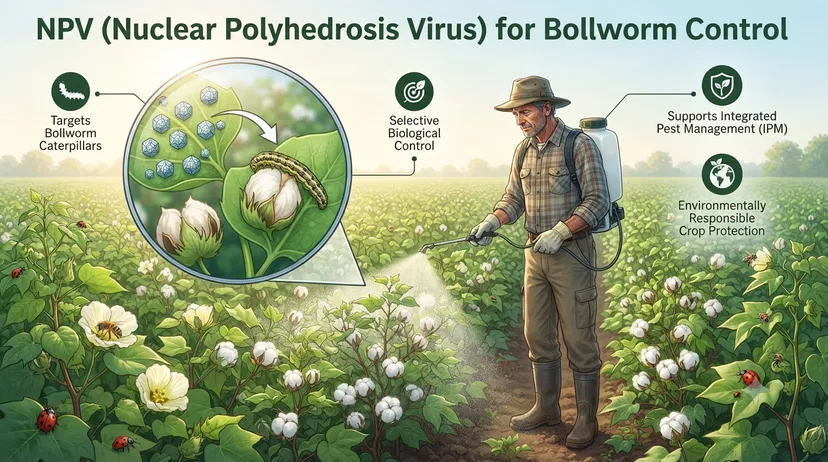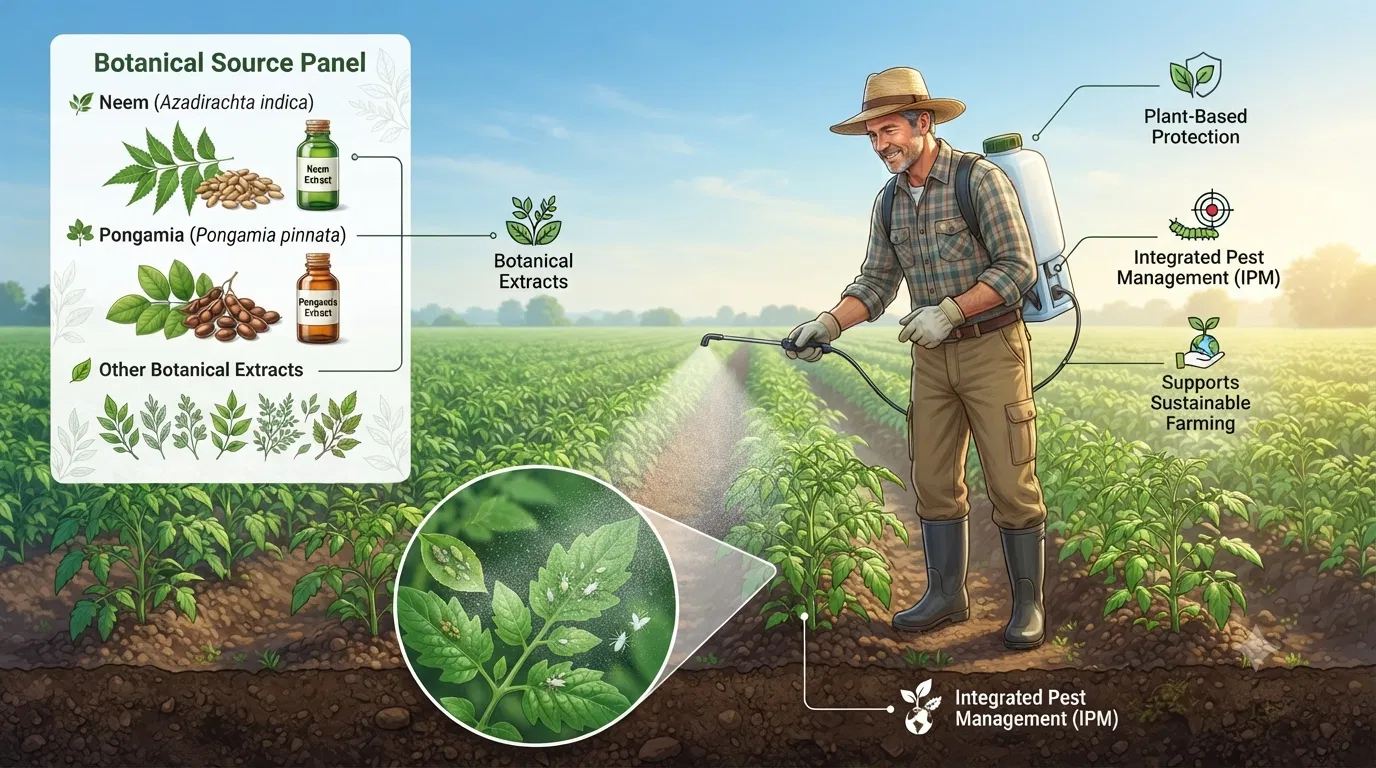
As farmers and gardeners look for safer, more sustainable ways to protect crops, botanical pesticides are gaining serious attention. These plant-based pest control products offer a powerful alternative to synthetic chemicals, helping manage insects, mites, and other crop pests while supporting healthier soil, safer harvests, and more eco-friendly farming practices.
Among the most widely known botanical pesticides are neem and pongamia, two plant sources with proven insecticidal and repellent properties. But the world of natural pest control goes far beyond these two. From garlic and chili extracts to pyrethrins and essential oils, botanical pesticides are becoming an important part of integrated pest management systems worldwide.
What Are Botanical Pesticides?
Botanical pesticides are pest control substances derived from plants. Unlike synthetic pesticides, they are extracted from roots, leaves, seeds, bark, flowers, or fruits and used to repel, kill, or disrupt pests. Because they are naturally occurring, many botanical pesticides break down more quickly in the environment and may leave fewer harmful residues on food and in soil.
They are commonly used to manage:
- Insects such as aphids, whiteflies, caterpillars, and beetles
- Mites and other small pests
- Some fungal and bacterial problems
- Stored grain pests
For growers seeking natural pest control, botanical pesticides can be an effective tool when used correctly and as part of a broader pest management strategy.
Why Botanical Pesticides Matter
The rise of pesticide resistance, environmental concerns, and consumer demand for residue-free food has pushed agriculture toward safer alternatives. Botanical pesticides offer several advantages:
- Lower environmental impact: Many plant-based pesticides degrade faster than synthetic chemicals.
- Reduced residue concerns: They are often preferred in organic and low-residue farming systems.
- Multiple modes of action: This makes it harder for pests to develop resistance.
- Compatibility with IPM: They fit well into integrated pest management programs.
- Renewable sourcing: Many come from abundant or cultivated plant materials.
Still, botanical pesticides are not magic bullets. Their performance depends on formulation, timing, pest pressure, and application method. Used wisely, however, they can be highly valuable.
Neem: The Most Famous Botanical Pesticide
Neem comes from the seeds and kernels of Azadirachta indica, a tree native to the Indian subcontinent. Neem-based products are among the most widely researched and used botanical pesticides in the world.
The key active compound in neem is azadirachtin, which affects pests in several ways. It acts as an antifeedant, repellent, growth regulator, and egg-laying deterrent. In simple terms, neem makes it harder for pests to eat, grow, and reproduce.
How Neem Works
- Disrupts insect growth and molting
- Reduces feeding activity
- Interferes with reproduction
- Offers some repellent effects
Neem is commonly used against aphids, whiteflies, thrips, mealybugs, caterpillars, and some scale insects. It is also popular in home gardens because it is relatively easy to use and can be applied as a foliar spray or soil treatment.
Neem is especially useful because it does more than kill pests outright; it weakens pest populations over time and helps prevent rapid reinfestation.
Pongamia: An Emerging Natural Pest Control Option
Pongamia, also known as Pongamia pinnata or Indian beech tree, is another promising source of botanical pesticide compounds. Its seeds contain oil with bioactive substances that show insecticidal, antifungal, and repellent properties.
Pongamia oil is attracting interest as a sustainable option for pest management and crop protection. While it may not be as widely recognized as neem, research suggests it can be useful in controlling certain agricultural pests and supporting environmentally friendly farming systems.
Benefits of Pongamia-Based Products
- Plant-derived and renewable
- Potential insecticidal and repellent effects
- Useful in integrated pest management programs
- May support organic and sustainable agriculture
As research continues, pongamia may become a stronger player in the botanical pesticide market, especially in regions where the tree is already cultivated and seeds are available in abundance.
Other Important Botanical Pesticides Beyond Neem and Pongamia
The category of botanical pesticides includes many other plant-based ingredients with useful pest control properties. Some are well established, while others are gaining attention as demand for sustainable agriculture grows.
Pyrethrins
Pyrethrins are natural insecticidal compounds extracted from chrysanthemum flowers. They act quickly on the nervous system of insects and are widely used against flying and crawling pests. Because they break down rapidly in sunlight, they are often used for short-term control.
Garlic Extract
Garlic has long been used as a natural repellent. Its strong sulfur compounds can deter insects and may help suppress some fungal issues. Garlic-based sprays are common in home gardening and low-input farming.
Chili Extract
Capsaicin from chili peppers can repel insects and animals. It is often used in botanical pesticide formulations to discourage feeding and reduce pest damage.
Essential Oils
Essential oils from plants such as eucalyptus, peppermint, rosemary, and clove are used in some natural pest control products. These oils may repel pests, interfere with their behavior, or affect their survival when properly formulated.
Nicotine and Rotenone
Historically, some plant-derived compounds like nicotine and rotenone were used as insecticides. However, safety and environmental concerns have led to reduced use or stricter regulation in many places. Modern botanical pest control focuses more on safer, better-studied options.
Advantages of Botanical Pesticides in Agriculture
Botanical pesticides are not just a trend. They play an important role in sustainable crop protection and can offer practical benefits to growers of vegetables, fruits, grains, and ornamentals.
- Residue management: Many botanical products are suitable for systems that aim to minimize chemical residues.
- Resistance management: Their complex modes of action help slow pest resistance.
- Organic compatibility: Several botanical pesticides are accepted in organic production, depending on local standards.
- Broad usability: They can be used in farms, orchards, greenhouses, and home gardens.
- Consumer appeal: Natural pest control aligns with growing demand for cleaner, safer food.
Limitations You Should Know
Despite their many benefits, botanical pesticides have limitations. They are often less persistent than synthetic pesticides, which can be an advantage and a drawback at the same time. Fast breakdown means fewer residues, but it also means shorter protection periods.
Other challenges include:
- Variable potency depending on plant source and extraction method
- Need for more frequent applications
- Possible phytotoxicity if misused
- Inconsistent performance if storage or formulation is poor
For best results, botanical pesticides should be used as part of a complete pest management plan that includes monitoring, sanitation, biological control, and crop rotation.
How to Use Botanical Pesticides Effectively
Using botanical pesticides successfully requires more than simply spraying and hoping for the best. Timing and application matter a lot.
- Identify the pest correctly: Different pests respond differently to botanical products.
- Apply early: Botanical pesticides often work best on young or low pest populations.
- Follow label instructions: Concentration and safety guidelines are essential.
- Reapply when needed: Many natural sprays need repeated applications.
- Test on a small area first: This helps avoid crop damage or poor results.
When used properly, botanical pesticides can protect crops while reducing dependence on conventional chemicals.
The Future of Botanical Pest Control
The future of botanical pesticides looks promising. Researchers are developing improved formulations, nano-based delivery systems, and blended natural products that may increase stability and effectiveness. At the same time, more growers are seeking sustainable pest control options that fit organic standards and climate-smart agriculture goals.
Neem remains the benchmark for many plant-based insecticides, but pongamia and other botanicals are expanding the field. As science advances and demand rises, botanical pesticides are likely to become even more important in global agriculture.
Conclusion
Botanical pesticides like neem and pongamia are reshaping how we think about pest control. They offer a natural, renewable, and often effective way to manage pests while supporting healthier ecosystems and more sustainable farming.
If you are looking for safer crop protection solutions, botanical pesticides deserve a serious place in your strategy. Start with the right product, apply it thoughtfully, and combine it with smart integrated pest management practices for the best long-term results.
Natural pest control is not just an alternative anymore; for many growers, it is becoming the future.