Modern agriculture is under pressure to produce more food while using fewer harmful inputs, protecting soil health, and reducing environmental damage. That is exactly why biopesticides are gaining attention as a smarter, safer, and more sustainable way to manage pests. Unlike conventional chemical pesticides, biopesticides work with nature instead of against it, helping farmers protect crops while preserving beneficial insects, soil biodiversity, and long-term farm productivity.
As climate challenges intensify and consumers demand cleaner food systems, biopesticides are emerging as a key part of the future of sustainable farming. They are no longer a niche alternative. They are becoming an essential tool for growers who want effective pest control without the heavy environmental cost.
What Are Biopesticides?
Biopesticides are pest control products derived from natural materials such as plants, bacteria, fungi, minerals, and certain viruses. They are designed to target specific pests or plant diseases while minimizing harm to non-target organisms.
There are three main types of biopesticides:
- Microbial biopesticides – based on microorganisms like bacteria, fungi, or viruses that control pests.
- Biochemical biopesticides – naturally occurring substances that disrupt pest behavior, growth, or reproduction.
- Plant-incorporated protectants – substances produced by plants after genetic material has been introduced to help defend against pests.
These products are widely used in organic farming and are increasingly adopted in conventional agriculture as part of integrated pest management strategies.
Why Biopesticides Matter for Sustainable Farming
Sustainable farming is about more than just higher yields. It is about producing food in a way that supports the environment, farm workers, and future generations. Biopesticides fit this model because they help reduce the negative effects often associated with synthetic chemical pesticides.
Here's why they matter so much:
- They leave fewer harmful residues on crops and in the environment.
- They reduce the risk of pest resistance when used properly in rotation.
- They are often safer for pollinators, natural predators, and beneficial soil organisms.
- They support biodiversity and healthier ecosystems.
- They can be integrated into regenerative and organic farming systems.
In short, biopesticides help farmers protect crops without compromising the long-term health of the land.
Key Benefits of Biopesticides
1. Lower Environmental Impact
One of the biggest advantages of biopesticides is their reduced environmental footprint. Because they are made from natural organisms or compounds, they typically break down more quickly than synthetic chemicals. This means less accumulation in soil and water and a lower chance of contaminating nearby ecosystems.
2. Better Safety for Farmers and Consumers
Farm workers are often exposed to pesticide residues during application. Biopesticides generally have lower toxicity levels, making them a safer option for handlers. For consumers, their use can also lead to lower residue levels on fresh produce, which is increasingly important in food markets that value transparency and food safety.
3. Protection of Beneficial Insects
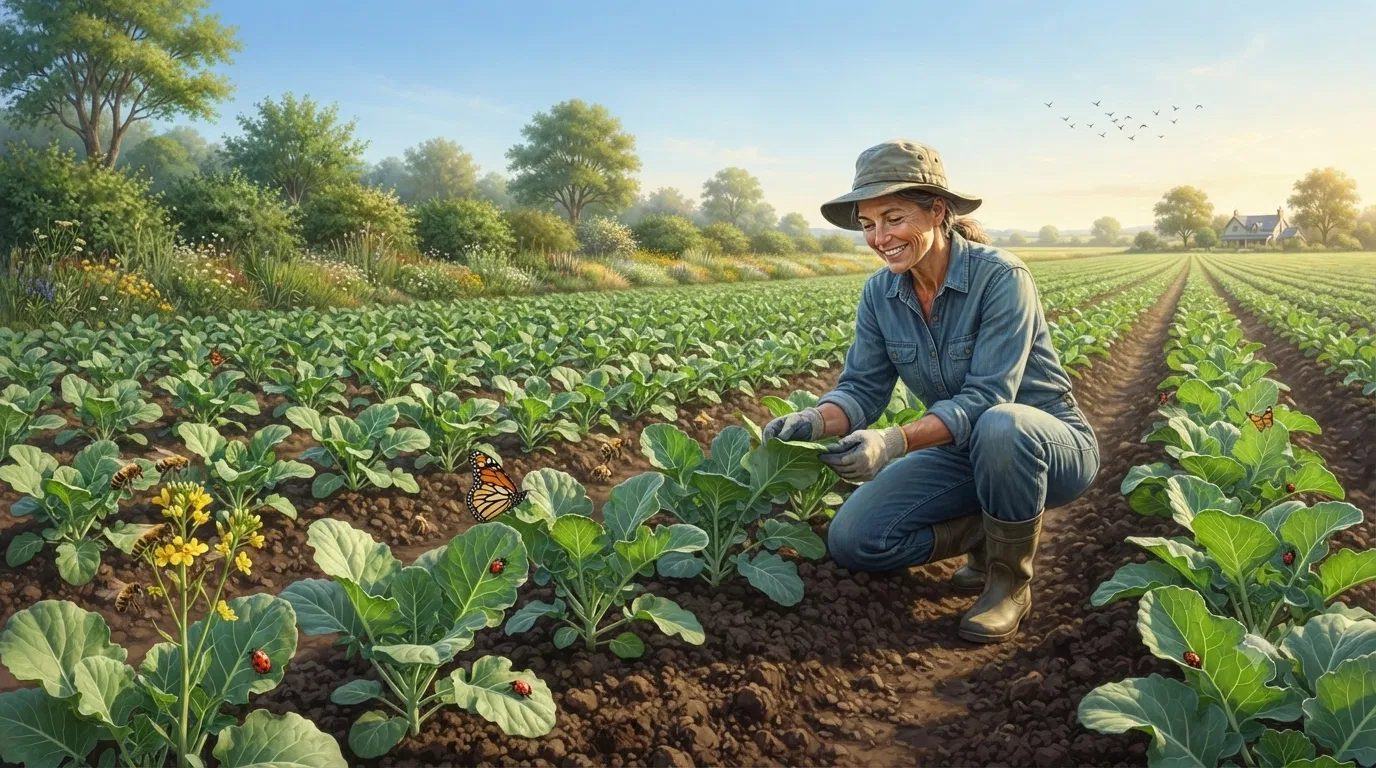
Not every insect in the field is a pest. Bees, ladybugs, parasitic wasps, and other beneficial species play a vital role in crop pollination and pest suppression. Broad-spectrum chemical pesticides can harm these helpful organisms, but many biopesticides are designed to target specific pests, helping preserve ecological balance.
4. Reduced Risk of Resistance
Over time, pests can develop resistance to chemical pesticides, making them less effective and forcing farmers to use stronger products. Biopesticides offer a valuable solution because their modes of action are often different and more complex. When used as part of a rotation or integrated pest management plan, they can help slow resistance and extend the usefulness of crop protection tools.
5. Compatibility with Organic and Regenerative Agriculture
Biopesticides are a natural fit for organic farms, but their value goes far beyond organic certification. They also support regenerative agriculture by helping maintain soil biology, minimizing chemical disruption, and promoting ecological resilience. That makes them highly relevant for farms focused on sustainability, carbon stewardship, and long-term productivity.
How Biopesticides Are Used in the Field
Biopesticides are not one-size-fits-all products. Their success depends on timing, pest identification, crop type, and application method. Farmers often use them in combination with other strategies to create a balanced pest management plan.
Common uses include:
- Preventive control – applying biopesticides before pest pressure becomes severe.
- Targeted treatment – focusing on specific insects, fungi, or weeds.
- Rotation with other pest control methods – helping prevent resistance.
- Integrated pest management – combining biological, cultural, and mechanical controls for stronger results.
For example, a farmer may use microbial biopesticides to control caterpillar pests in vegetables or apply fungal-based products to reduce disease pressure in fruit crops. The goal is precision, not blanket treatment.
Challenges and Limitations
While biopesticides offer major benefits, they are not without challenges. Understanding these limitations is important for realistic adoption and effective use.
- Slower action: Some biopesticides may work more gradually than synthetic alternatives.
- Storage sensitivity: Certain products require careful handling and storage conditions.
- Environmental dependence: Temperature, humidity, and sunlight can affect performance.
- Need for precise application: They often work best when applied at the right pest stage and in the right conditions.
These challenges do not reduce their value. Instead, they highlight the importance of farmer education, product innovation, and careful field management.
The Role of Biopesticides in the Future of Agriculture
The future of farming will be defined by efficiency, resilience, and sustainability. As the agricultural sector adapts to climate change, soil degradation, and stricter environmental standards, biopesticides will play a larger role in crop protection systems.
Several trends are driving this growth:
- Rising demand for organic and residue-free food
- Stricter regulations on chemical pesticide use
- Advances in microbial science and fermentation technology
- Improved formulation and delivery systems
- Greater interest in regenerative agriculture and biodiversity
Biopesticides are also becoming more practical as research improves their stability, shelf life, and field performance. This is helping make them more accessible to farmers across different regions and crop systems.
Sustainable farming does not mean giving up crop protection. It means choosing smarter tools that protect yields today while preserving the land for tomorrow.
Why Farmers Are Making the Switch
Farmers are increasingly choosing biopesticides because they want solutions that are effective, market-friendly, and environmentally responsible. In many cases, the shift is also driven by economics. Consumers, retailers, and food processors are placing greater value on sustainable production methods, creating stronger demand for crops grown with reduced chemical inputs.
By adopting biopesticides, farmers can:
- Meet sustainability goals
- Improve soil and ecosystem health
- Reduce chemical dependency
- Strengthen long-term farm resilience
- Appeal to eco-conscious markets
This combination of environmental and commercial benefits is making biopesticides one of the most promising tools in modern agriculture.
Conclusion: A Smarter Path Forward
Biopesticides are more than just an alternative to synthetic pesticides. They represent a smarter, more balanced approach to crop protection that aligns with the future of sustainable farming. By reducing environmental harm, protecting beneficial species, and supporting healthier food systems, they offer a practical path toward agriculture that is both productive and responsible.
As farming continues to evolve, the growers who embrace biopesticides today will be better positioned to meet tomorrow's challenges. The future of sustainable agriculture depends on solutions that work with nature, and biopesticides are leading the way.
If the goal is resilient farms, healthier ecosystems, and cleaner food production, biopesticides are not just an option—they are a necessity for the future.