Modern farming faces a tough balancing act: protecting crops from destructive pests while preserving soil health, pollinators, and long-term farm productivity. That is where biopesticides come in. These natural pest control solutions are helping farmers reduce chemical dependency without sacrificing crop protection. For growers looking for a smarter, more sustainable approach, biopesticides are quickly becoming a practical tool for modern agriculture.
What Are Biopesticides?
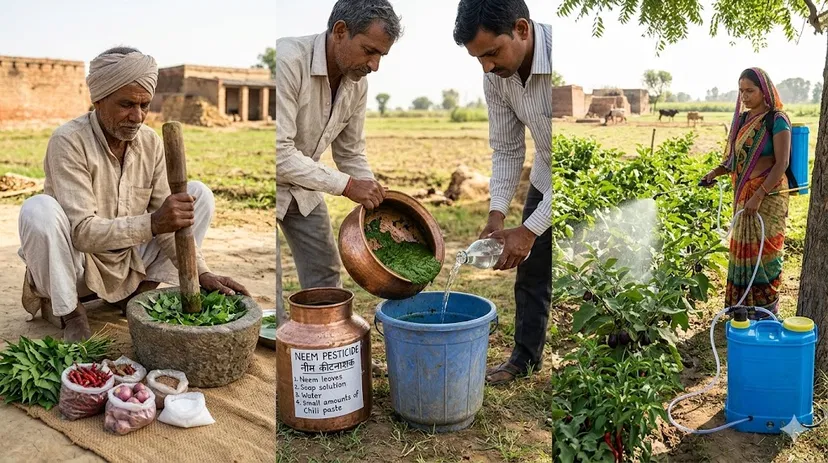
Biopesticides are pest control products derived from natural materials such as plants, bacteria, fungi, minerals, and certain beneficial insects. Unlike conventional synthetic pesticides, biopesticides work in targeted ways to control pests, diseases, and weeds with less impact on the environment.
They are commonly used to manage:
- Insect pests such as caterpillars, beetles, and aphids
- Plant diseases caused by fungi, bacteria, and viruses
- Weeds through selective biological activity
Because they are often species-specific and biodegradable, biopesticides are considered a key part of integrated pest management and sustainable farming practices.
Why Biopesticides Matter for Modern Farms
Farmers today are under pressure to produce more food with fewer resources while meeting stricter environmental and consumer expectations. Biopesticides offer a way to protect crops while reducing risks tied to conventional pesticides, including residue concerns, resistance buildup, and harm to beneficial organisms.
Here's why they matter:
- Lower environmental impact: They break down faster and leave fewer persistent residues.
- Better compatibility with organic farming: Many biopesticides are approved for organic production systems.
- Resistance management: They help slow the development of pest resistance when rotated with other controls.
- Protection of beneficial insects: Pollinators and natural predators are less likely to be harmed.
- Consumer demand: Shoppers increasingly prefer food grown with safer and more sustainable methods.
Main Types of Biopesticides
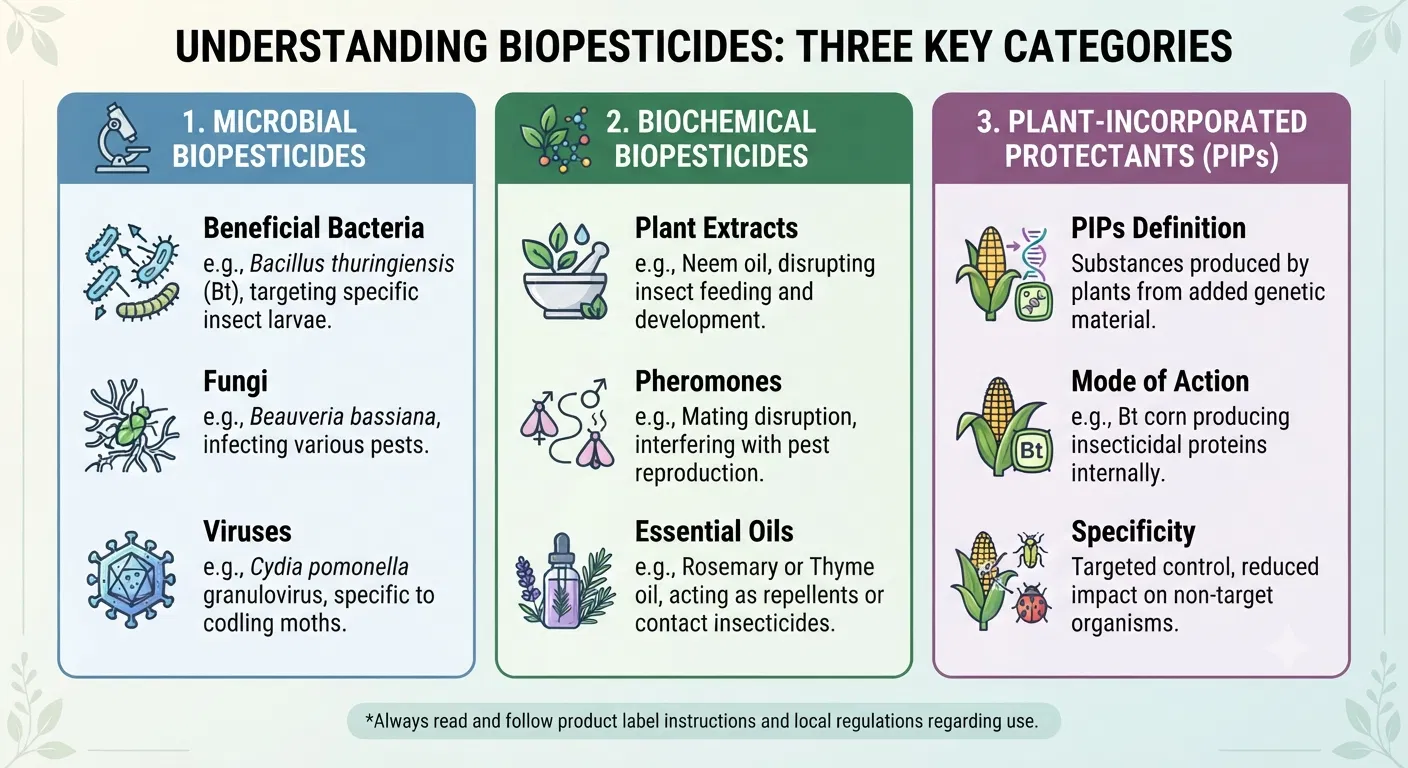
Biopesticides are not a single product category. They fall into several major groups, each with a specific mode of action and application.
1. Microbial Biopesticides
These are based on microorganisms such as bacteria, fungi, viruses, or protozoa. One of the most widely used examples is Bacillus thuringiensis (Bt), a bacterium that produces proteins toxic to certain insect larvae.
Microbial biopesticides are often used to control pests in vegetables, fruits, field crops, and greenhouse systems. Products in this group include bio-insecticides for insect pests and bio-fungicides for fungal diseases.
2. Biochemical Biopesticides
These are naturally occurring substances that control pests through non-toxic mechanisms. Examples include pheromones, plant extracts, and insect growth regulators. They may repel pests, disrupt mating, or alter insect development.
3. Plant-Incorporated Protectants
These are substances produced by plants from genetic material that has been added through biotechnology. The plant itself creates a pest-control compound, reducing the need for external pesticide applications.
How Biopesticides Work
Biopesticides are effective because they attack pests in highly targeted ways. Rather than acting as broad-spectrum poisons, they interfere with specific biological processes.
Common modes of action include:
- Disrupting digestion in insect larvae
- Preventing growth and development of pests
- Blocking reproduction through pheromone disruption
- Competing with disease-causing organisms in the soil or on plant surfaces
- Triggering plant defenses to help crops resist infection
This targeted action is one reason biopesticides are considered safer for farms, workers, and surrounding ecosystems.
Benefits of Using Biopesticides
For many growers, the biggest advantage of biopesticides is that they allow effective pest control with fewer downsides.
Improved Safety
Biopesticides are often less toxic to humans and animals than synthetic alternatives. This can reduce exposure risks for farm workers and nearby communities when products are used correctly.
Reduced Chemical Residues
Because many biopesticides degrade quickly, they can help farmers meet residue limits and market requirements, especially for fresh produce and export crops.
Supports Soil and Crop Health
Some microbial biopesticides can improve the soil microbiome, suppress harmful pathogens, and support stronger plant growth over time.
Fits Integrated Pest Management
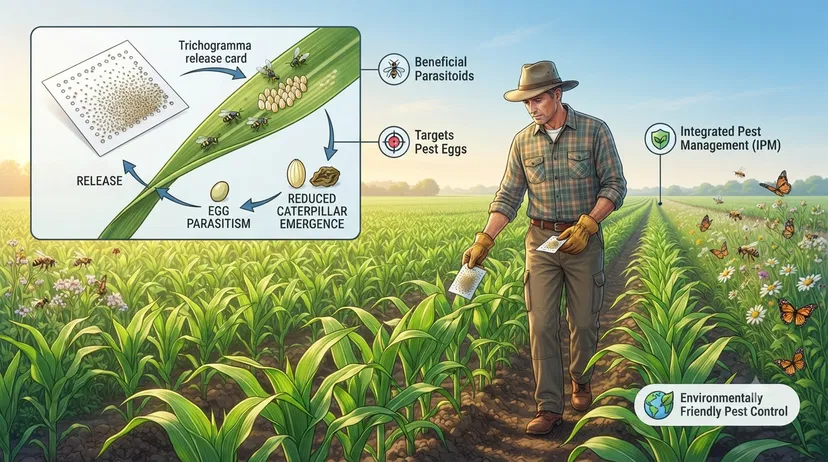
Biopesticides work especially well when combined with crop rotation, scouting, beneficial insects, resistant varieties, and careful timing of applications.
Useful in Resistance Management
Overuse of conventional pesticides can lead to resistant pest populations. Biopesticides offer different modes of action, making them valuable tools in rotation programs.
Biopesticides are not about replacing every other pest control method. They are about creating a smarter, more balanced system that protects crops while preserving the farm ecosystem.
Limitations Farmers Should Know
While biopesticides offer major benefits, they are not a magic fix. Like any crop protection tool, they have limitations that farmers should understand.
- Slower action: Some biopesticides work more gradually than synthetic chemicals.
- Specificity: Many target only certain pests, so correct identification is essential.
- Environmental sensitivity: Sunlight, rain, and temperature can affect performance.
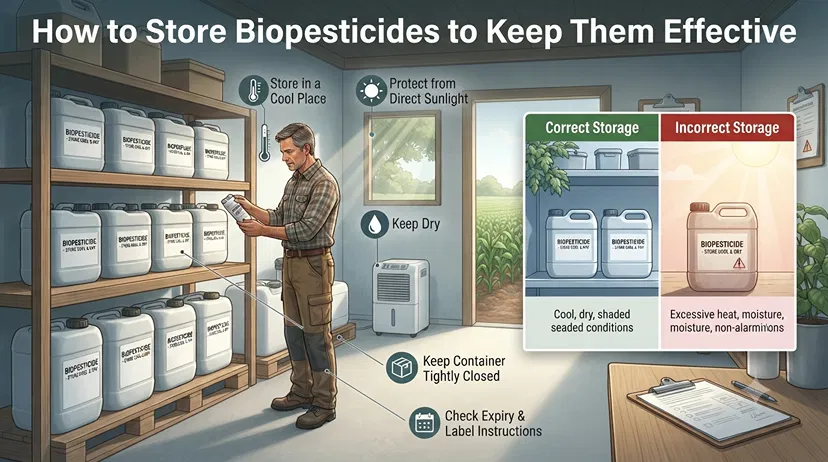
- Shorter shelf life: Some microbial products require careful storage and handling.
- Timing matters: They are often most effective when applied at the right pest life stage.
These factors make training, monitoring, and proper product selection especially important for successful use.
Best Practices for Using Biopesticides on Farms
To get the best results, farmers should treat biopesticides as part of a broader crop protection strategy.
- Scout fields regularly to identify pests early and confirm the problem.
- Match the product to the pest and crop stage for maximum effectiveness.
- Follow label directions carefully for rate, timing, and application method.
- Apply under favorable conditions such as low wind and limited direct sunlight when possible.
- Rotate modes of action to prevent resistance and improve long-term control.
- Combine with cultural controls like sanitation, pruning, rotation, and habitat management.
When used strategically, biopesticides can become a reliable part of a farm's pest management toolkit.
Biopesticides and Sustainable Agriculture
Sustainable farming is not only about reducing inputs. It is also about building resilient systems that remain productive over time. Biopesticides support that goal by helping farmers manage pests in ways that protect beneficial insects, conserve biodiversity, and reduce pressure on the environment.
In crops like fruits, vegetables, grains, and specialty products, biopesticides are increasingly used to complement biological controls and precision agriculture tools. As technology improves, these products are becoming more effective, more accessible, and easier to integrate into modern farm operations.
Final Thoughts
Biopesticides are changing the way modern farms approach pest control. They offer a safer, more sustainable alternative to many conventional pesticides while supporting crop quality, environmental health, and long-term farm resilience. Although they require proper timing and management, their role in agriculture is only growing stronger.
If your goal is to protect crops while reducing chemical risk and improving sustainability, biopesticides are worth a closer look. The future of pest control is not just about killing pests faster. It is about managing them smarter.