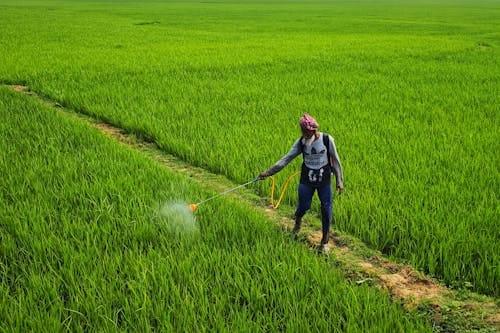
Introduction
Kharif crops often face root rot, wilt, damping-off, collar rot, leaf spots, and other diseases because of high humidity, rainfall, and waterlogging. Chemical fungicides may be needed in severe disease situations, but repeated and unnecessary use can disturb beneficial microbes and increase resistance risk.
Biofungicides are biological products containing beneficial microbes or their metabolites. They help suppress disease-causing pathogens and support healthier root-zone activity. However, they are not magic products. They work best when used preventively and along with good agronomic practices.
Why Biofungicides Make Sense in Kharif
During monsoon, soil remains moist and crop canopy becomes dense. These conditions favour many soil-borne and foliar diseases.
Biofungicides are useful because they can:
- Suppress some soil-borne pathogens
- Improve root-zone microbial balance
- Reduce dependence on repeated chemical sprays
- Support integrated disease management
- Fit well with organic and residue-conscious farming systems
- Be used for seed treatment, nursery treatment, soil application, and foliar spray, depending on product label
Important correction: Do not claim all biofungicides are completely “safe” in every situation or always “cheap.” Their performance depends on product quality, storage, moisture, timing, pathogen pressure, and correct application.
7 Useful Biofungicides for Kharif Crops
Use only registered and good-quality products. Check the label for crop, target disease, dose, and method of application.
|
Sr. No. |
Biofungicide |
Type |
Common Use Area |
|
1 |
Trichoderma viride |
Beneficial fungus |
Seed and soil treatment for root rot, wilt, damping-off |
|
2 |
Trichoderma harzianum |
Beneficial fungus |
Soil-borne disease suppression |
|
3 |
Pseudomonas fluorescens |
Beneficial bacterium |
Seed, soil, and foliar use in some crop diseases |
|
4 |
Bacillus subtilis |
Beneficial bacterium |
Foliar and soil disease suppression, label-based |
|
5 |
Bacillus amyloliquefaciens |
Beneficial bacterium |
Root-zone and foliar disease management, label-based |
|
6 |
Ampelomyces quisqualis |
Beneficial fungus |
Powdery mildew management in labelled crops |
|
7 |
Streptomyces species |
Actinomycete |
Soil-borne disease suppression, label-based |
How to Use Biofungicides Correctly
Many farmers do not get good results because biofungicides are used too late or applied wrongly.
Application Methods
- Seed treatment: Use as per label before sowing.
- Soil application: Mix with well-decomposed FYM or compost and apply in moist soil.
- Nursery treatment: Apply in nursery beds to reduce early disease pressure.
- Root dipping: Dip seedling roots before transplanting where recommended.
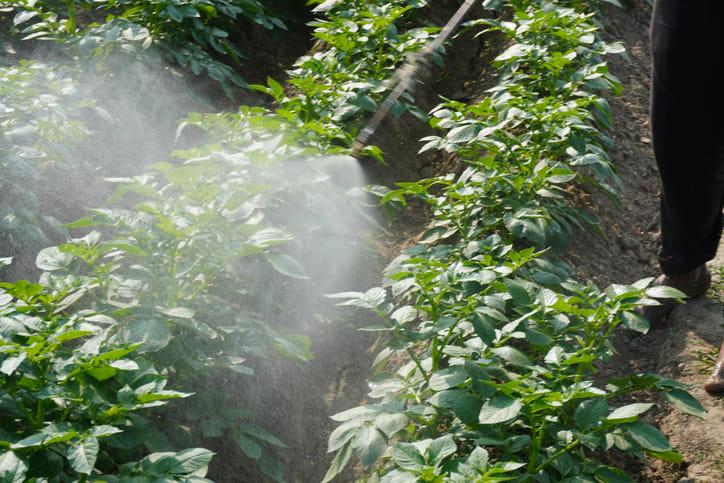
- Foliar spray: Use only products labelled for foliar use.
Crop-Wise Use of Biofungicides
|
Crop |
Common Disease Concern |
Biofungicide Approach |
|
Paddy |
Seedling diseases, sheath blight support management |
Pseudomonas or Trichoderma as per local recommendation |
|
Cotton |
Wilt and root rot |
Trichoderma seed/soil application |
|
Soybean |
Collar rot and root rot |
Trichoderma or Pseudomonas with drainage management |
|
Pulses |
Wilt, root rot, damping-off |
Trichoderma seed treatment and soil application |
|
Vegetables |
Damping-off, root rot, powdery mildew |
Crop-specific biofungicide as per label |
|
Sugarcane |
Sett rot, red rot support management |
Sett treatment and soil application as per local advisory |
Final Thoughts
Biofungicides are useful tools for kharif disease management, especially for soil-borne diseases and preventive crop care. Products based on Trichoderma, Pseudomonas, Bacillus, Ampelomyces, and Streptomyces can support disease management when used correctly.
Farmers should remember that biofungicides work best before disease becomes severe. In high disease pressure, they should be combined with drainage, resistant varieties, sanitation, and locally recommended crop protection practices.