If you want stronger roots, greener growth, better harvests, and soil that improves year after year, the answer starts below the surface. The best organic fertilizers do more than feed plants for a moment—they build healthier soil, support beneficial microbes, and create a growing environment where plants can truly thrive.
Unlike synthetic options that deliver quick nutrition and little else, organic fertilizers work with nature. They release nutrients gradually, improve soil structure, and help your garden become more resilient over time. Whether you grow vegetables, flowers, herbs, or houseplants, choosing the right organic fertilizer can make a dramatic difference in plant health and soil quality.
Why Organic Fertilizers Matter
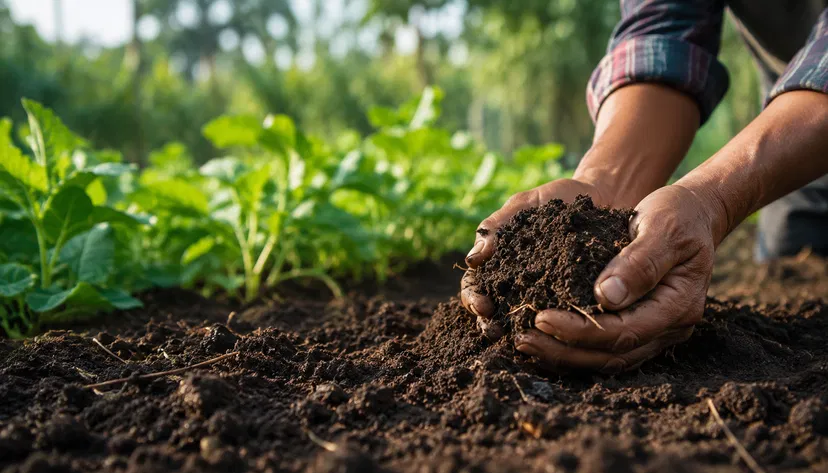
Healthy plants depend on healthy soil. When soil is rich in organic matter and balanced nutrients, roots can absorb what they need more efficiently. Organic fertilizers support this process by feeding both the plant and the ecosystem around it.
They are especially valuable because they:
- Improve soil texture and water retention
- Feed beneficial soil microbes
- Release nutrients slowly and steadily
- Reduce the risk of fertilizer burn
- Support long-term soil fertility
For gardeners who want sustainable results, organic fertilization is one of the smartest choices you can make.
Best Organic Fertilizers for Healthy Plants
1. Compost
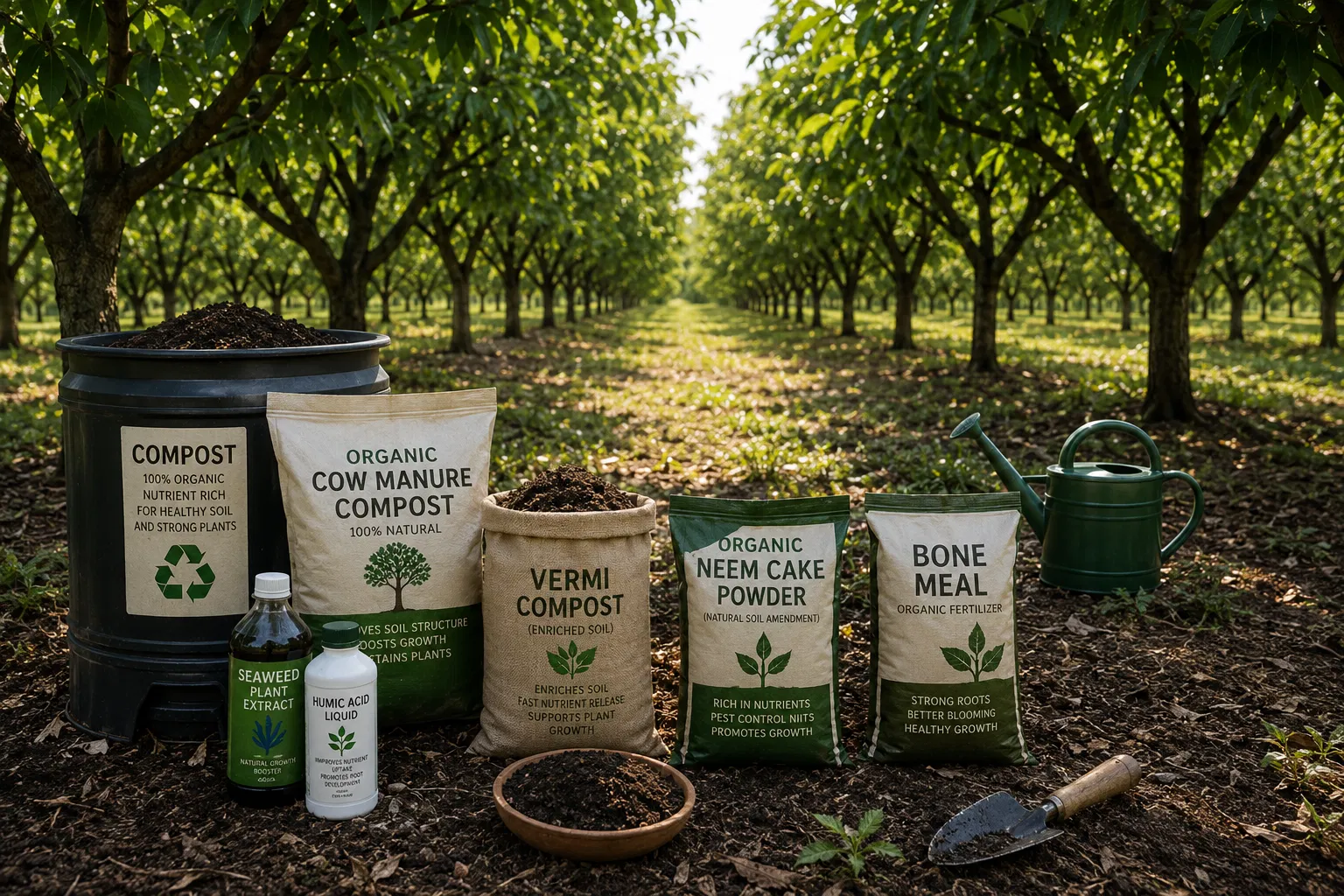
Compost is one of the most versatile and effective organic fertilizers available. Made from decomposed kitchen scraps, garden waste, leaves, and other natural materials, compost enriches soil with nutrients and organic matter.
It improves drainage in heavy soil and helps sandy soil hold moisture better. Compost also encourages earthworms and microbes, both of which contribute to a healthier root zone.
Best for: Vegetables, flowers, shrubs, lawns, and raised beds.
You can mix compost into garden beds, top-dress around plants, or use it as part of potting blends.
2. Aged Manure
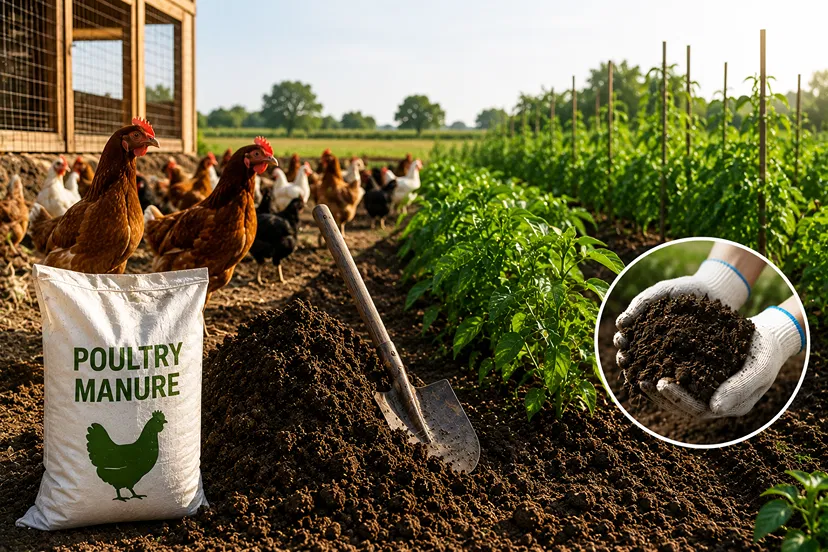
Aged manure is a nutrient-rich organic fertilizer that adds valuable nitrogen, phosphorus, and potassium to the soil. It comes from animals such as cows, horses, chickens, or sheep, but it must be properly composted or aged before use.
Fresh manure can be too strong and may harm plants, while aged manure provides a gentler nutrient boost and improves soil structure.
Best for: Vegetable gardens, fruit trees, and soil preparation before planting.
Use it sparingly and always ensure it is well-aged to avoid plant damage and excess salts.
3. Worm Castings
Worm castings, also called vermicompost, are one of the most plant-friendly organic fertilizers you can use. These nutrient-rich droppings from earthworms contain beneficial microbes, humic acid, and trace minerals that support strong growth.
Worm castings are mild, safe for seedlings, and excellent for improving soil biology. They are especially useful in container gardens and indoor plants because they nourish without overwhelming the roots.
Best for: Seedlings, houseplants, herbs, container plants, and transplants.
They can be mixed into potting soil or applied as a top dressing around plants.
4. Bone Meal
Bone meal is a slow-release organic fertilizer made from ground animal bones. It is especially high in phosphorus and calcium, which are essential for root development, flowering, and fruit production.
Because it works gradually, bone meal is ideal for plants that need support during early growth or bloom cycles. It is commonly used for bulbs, tomatoes, roses, and fruiting plants.
Best for: Flowering plants, bulbs, root crops, and fruiting vegetables.
It works best when mixed into the soil at planting time rather than applied heavily on the surface.
5. Blood Meal
Blood meal is a high-nitrogen organic fertilizer that promotes fast leafy growth. Made from dried animal blood, it is especially helpful for plants that need a strong nitrogen boost.
Use it carefully, since too much nitrogen can lead to excessive leaf growth with fewer flowers or fruits. Applied in the right amount, it can revive pale, slow-growing plants and improve vibrant foliage.
Best for: Leafy greens, lawns, and nitrogen-hungry plants.
Because it is potent, blood meal should be used according to label instructions or soil needs.
6. Fish Emulsion
Fish emulsion is a fast-acting liquid organic fertilizer made from fish byproducts. It is rich in nitrogen and contains trace minerals that support overall plant vigor.
This fertilizer is particularly useful during active growth stages when plants need an immediate nutrient boost. It is easy to apply through watering and works well for both outdoor beds and indoor containers.
Best for: Vegetables, transplants, and fast-growing plants.
Fish emulsion has a strong smell, but its results often make it worth it.
7. Kelp Meal or Liquid Kelp
Kelp-based fertilizers are derived from seaweed and provide a wide range of trace minerals, growth hormones, and micronutrients. While kelp is not a major source of NPK, it supports root growth, stress resistance, and overall plant vitality.
Kelp is especially beneficial during drought, transplant shock, or periods of environmental stress. It can help plants recover and stay resilient.
Best for: All-purpose soil health, stressed plants, and foliar feeding.
Used regularly, kelp can improve plant vigor without overstimulating growth.
8. Alfalfa Meal
Alfalfa meal is a balanced organic fertilizer that adds nitrogen, potassium, and natural growth stimulants. It helps improve soil microbial activity and supports steady plant development.
Gardeners often use alfalfa meal to energize soil before planting or as a seasonal top dressing. It is especially helpful in vegetable gardens and flower beds.
Best for: General garden fertility and soil conditioning.
It is a great option when you want a moderate, all-purpose organic fertilizer.
How to Choose the Right Organic Fertilizer
The best fertilizer depends on your plants, your soil, and your goals. A leafy lettuce patch has different needs than tomatoes or roses. Before applying anything, consider what your plants are asking for.
- For leafy growth: Choose nitrogen-rich options like blood meal, fish emulsion, or composted manure.
- For roots and blooms: Use bone meal or balanced compost blends.
- For overall soil health: Compost, worm castings, kelp, and alfalfa meal are excellent choices.
- For containers and houseplants: Worm castings and diluted liquid fertilizers work well without overwhelming roots.
Soil testing can also help you identify nutrient gaps before you fertilize. That way, you can make smarter decisions and avoid overfeeding.
Tips for Using Organic Fertilizers Effectively
Organic fertilizers are powerful, but they work best when used thoughtfully. More is not always better. In fact, overdoing it can create imbalances that slow plant growth.
- Follow application rates: Always read the label or use recommended amounts.
- Feed the soil, not just the plant: Healthy soil biology helps nutrients become available naturally.
- Apply at the right time: Use fertilizers during planting, active growth, or early flowering based on plant needs.
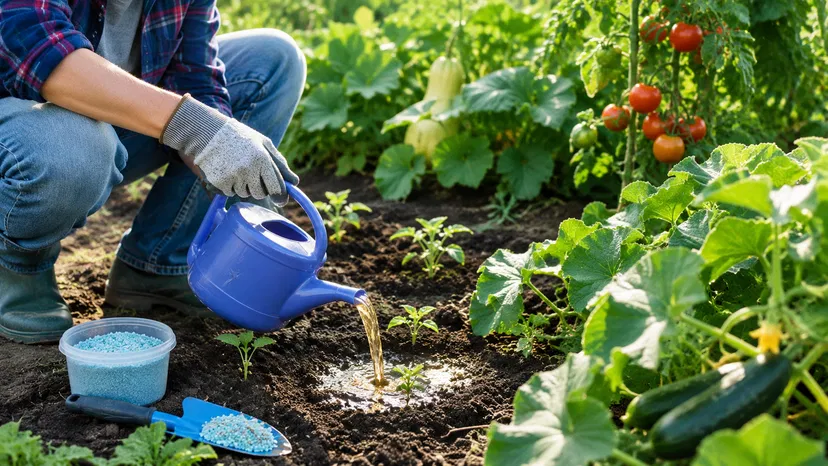
- Water after application: Moisture helps nutrients move into the root zone.
- Combine with compost: Compost creates a strong foundation for all other fertilizers.
Consistency matters more than intensity. Small, regular improvements in soil health lead to better long-term results than a single heavy feeding.
Final Thoughts on Organic Fertilizers
Choosing the best organic fertilizers is one of the most effective ways to grow healthier plants and build richer soil. From compost and worm castings to bone meal, kelp, and fish emulsion, each option offers unique benefits that support strong, sustainable growth.
If your goal is vibrant plants and a garden that keeps improving season after season, start with the soil. Feed it well, nurture its biology, and choose organic fertilizers that match your plants’ needs. The reward is a garden that grows better, naturally.
Start with one quality organic fertilizer, apply it consistently, and watch your soil and plants transform.