Few things are more frustrating for gardeners than watching beautiful roses or ornamental plants develop black spots, powdery patches, or browning leaves. Fungal diseases can spread quickly, weaken plants, and ruin weeks of careful care. The good news is that the best fungicides for roses and ornamental plants can help protect your landscape, restore plant health, and keep blooms looking their best.
Whether you are dealing with black spot on roses, powdery mildew on ornamentals, or leaf spot on shrubs, choosing the right fungicide matters. The most effective products are not just powerful; they are also easy to use, targeted to common diseases, and safe when applied correctly. In this guide, you'll learn what to look for in a fungicide, which active ingredients work best, and how to get lasting results in your garden.
Why Fungicide Choice Matters for Roses and Ornamentals
Roses and ornamental plants are especially vulnerable to fungal diseases because many grow in humid, shaded, or densely planted areas where moisture lingers. Once fungus takes hold, it can spread through leaves, stems, and buds, causing stunted growth and unsightly damage.
The right fungicide can:
- Prevent new infections before they start
- Stop active fungal spread on leaves and stems
- Protect new growth and blooms
- Improve plant appearance and vigor
- Reduce long-term disease pressure in the garden
For best results, fungicides should always be part of a complete plant care routine that includes pruning, spacing, watering properly, and cleaning up fallen debris.
Common Fungal Diseases on Roses and Ornamental Plants
Before choosing a fungicide, it helps to know what you are fighting. Some of the most common fungal problems include:
Black Spot
Black spot is one of the most common rose diseases. It causes dark circular spots on leaves, which often turn yellow and drop prematurely.
Powdery Mildew
This disease appears as a white or gray powdery coating on leaves, stems, and buds. It thrives in warm days and cool, humid nights.
Rust
Rust creates orange, yellow, or brown pustules on the undersides of leaves. It weakens plants and spreads easily in wet conditions.
Leaf Spot
Many ornamentals suffer from leaf spot diseases that create dark lesions, blighting foliage and reducing plant health.
Botrytis Blight
Also known as gray mold, Botrytis affects flowers, buds, and soft plant tissue, especially in cool, damp weather.
Best Fungicide Types for Roses and Ornamental Plants
The best fungicides for roses and ornamental plants usually fall into two main groups: protectant fungicides and systemic fungicides. Some products combine both approaches for broader disease control.
1. Preventative Fungicides
Preventative fungicides work by creating a protective barrier on plant surfaces. They are best used before disease becomes severe.
Best for: black spot, powdery mildew prevention, leaf spot prevention
Common active ingredients:
- Chlorothalonil
- Mancozeb
- Copper-based compounds
- Sulfur
2. Systemic Fungicides
Systemic fungicides are absorbed by the plant and move through its tissues. This makes them especially useful for treating existing infections and protecting new growth.
Best for: active fungal infections, recurring disease problems, long-lasting protection
Common active ingredients:
- Propiconazole
- Myclobutanil
- Tebuconazole
- Acephate-based combinations in some ornamental formulations
3. Biological and Organic Fungicides
Gardeners who prefer gentler options often choose biological or organic fungicides. These are ideal for routine prevention and mild disease pressure.
Best for: home gardens, early disease management, environmentally conscious care
Common active ingredients:
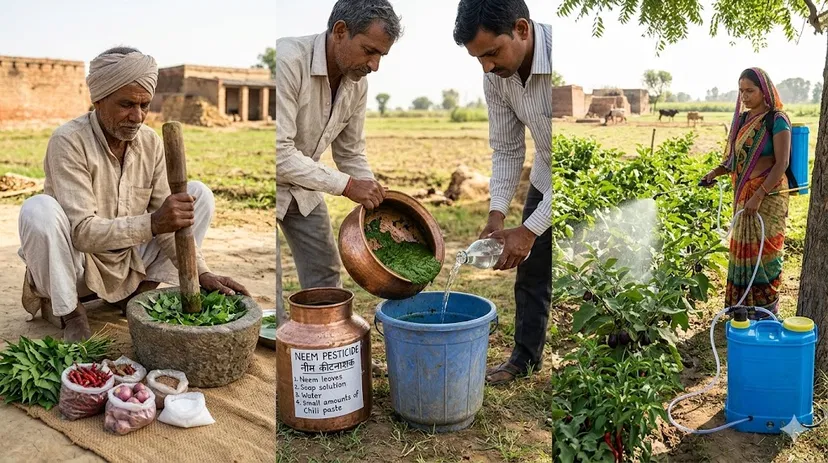
- Neem oil
- Potassium bicarbonate
- Biological microbes such as Bacillus subtilis
- Horticultural oil
What to Look for in the Best Fungicides for Roses and Ornamental Plants
Not every fungicide is suitable for every plant or disease. When shopping for a product, keep these points in mind:
- Broad-spectrum protection: Helps control multiple fungal diseases at once.
- Rose and ornamental plant label: Always choose products specifically labeled for these plants.
- Preventative and curative action: A good fungicide should stop disease and protect future growth.
- Rain resistance: Important if you garden in wet or humid climates.
- Ease of application: Ready-to-spray, concentrate, and granule options suit different needs.
- Safety for blooms and foliage: Some formulas can damage tender leaves or flowers if used incorrectly.
Top Active Ingredients Commonly Used for Roses and Ornamentals
Here are some of the most trusted active ingredients found in effective fungicides for roses and ornamental plants:
Chlorothalonil
A strong contact fungicide used for black spot, leaf spot, and rust prevention. It works well as part of a spray rotation.
Myclobutanil
A systemic fungicide effective against powdery mildew, black spot, and rust. It is widely used on roses and many ornamentals.
Propiconazole
Known for excellent systemic protection, especially for ornamental disease management and recurring fungal issues.
Neem Oil
A popular organic option that can help suppress powdery mildew and mild fungal infections while also supporting overall plant health.
Potassium Bicarbonate
Useful for powdery mildew control, this ingredient works by disrupting fungal growth on plant surfaces.
Copper Fungicides
These are effective for several fungal and bacterial issues, though they should be used carefully to avoid plant injury.
For best results, fungicides work most effectively when applied at the first sign of disease or before infection begins. Prevention is always easier than recovery.
How to Use Fungicide on Roses and Ornamental Plants
Even the best fungicide won't perform well if it is applied incorrectly. Follow these steps for better results:
- Identify the disease: Match the fungicide to the problem, such as black spot, rust, or powdery mildew.
- Remove heavily infected leaves: Prune or discard badly damaged foliage to reduce spore spread.
- Apply early: Spray at the first sign of disease or before expected conditions favor infection.
- Cover all surfaces: Make sure to coat both the tops and undersides of leaves.
- Repeat as directed: Many fungicides require reapplication every 7 to 14 days during active disease periods.
- Rotate products: Switching active ingredients helps reduce resistance over time.
Natural Ways to Support Fungicide Performance
Fungicides work best when combined with smart gardening practices. You can reduce fungal pressure and improve outcomes by following these habits:
- Water at the base of plants instead of overhead
- Space roses and ornamentals for better airflow
- Prune regularly to remove crowded or weak growth
- Clean up fallen leaves and dead flowers
- Mulch carefully to reduce soil splash onto foliage
- Choose disease-resistant varieties when possible
These simple steps make it harder for fungus to survive and spread, which means your fungicide can do its job more effectively.
Organic vs. Chemical Fungicides: Which Is Better?
The best choice depends on your goals, the severity of the disease, and your gardening style. Organic fungicides are often ideal for prevention, mild infections, and routine garden care. Chemical fungicides generally offer stronger and longer-lasting protection, especially for persistent diseases like black spot and rust.
If your garden has a history of recurring fungal problems, a synthetic systemic fungicide may provide more reliable control. If you prefer a lower-impact approach or are treating early symptoms, an organic option like neem oil or potassium bicarbonate may be enough.
Many experienced gardeners use both, depending on the season and disease pressure.
Best Practices for Safe Fungicide Use
Always read the product label before applying any fungicide. Labels provide critical information on plant compatibility, dilution rates, timing, and safety precautions.
- Wear gloves and protective clothing
- Do not spray in extreme heat or direct midday sun
- Avoid applying before heavy rain
- Keep children and pets away during application
- Test on a small section of the plant if using a new product
Using fungicides responsibly protects your plants and helps maintain a healthy garden environment.
Conclusion
The best fungicides for roses and ornamental plants are the ones that match your specific disease problem, fit your gardening style, and deliver consistent protection. Whether you choose a systemic fungicide for serious black spot or an organic spray for powdery mildew prevention, success depends on early action, proper application, and good plant care habits.
If you want healthier roses, cleaner foliage, and more vibrant ornamental displays, start with a targeted fungicide and support it with smart garden maintenance. The earlier you act, the easier it is to protect your plants and enjoy a more beautiful, disease-free landscape all season long.