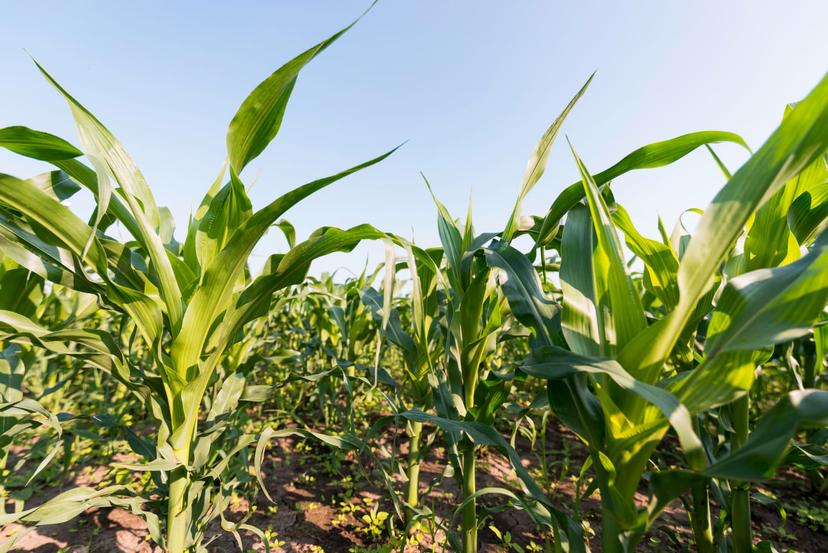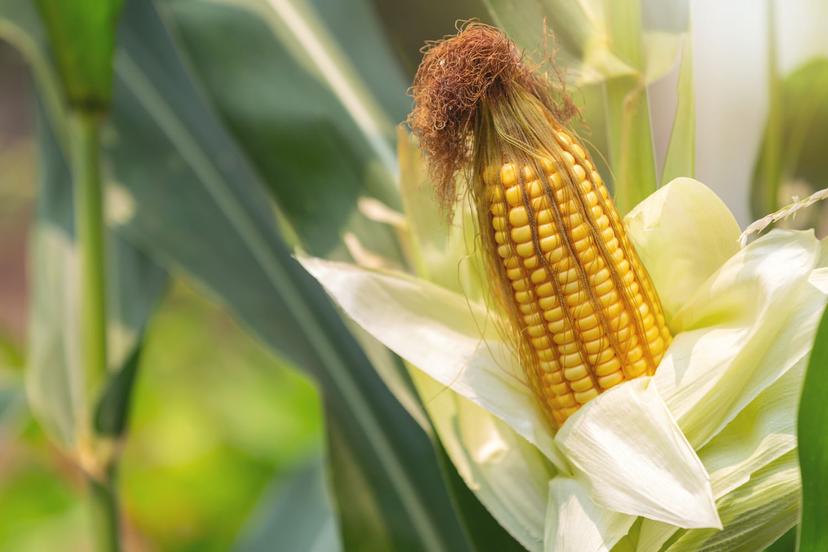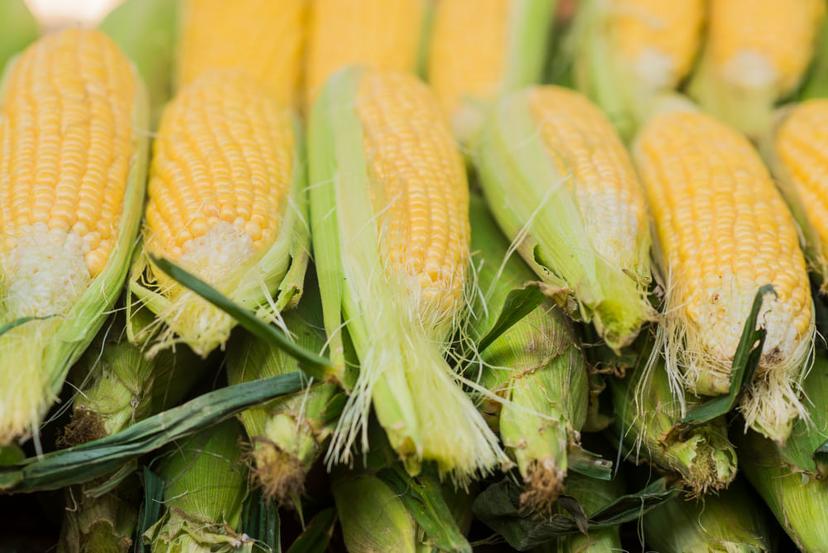
Maize gains its nutrition from the soil, making soil health the first requirement for successful maize farming. Only fertile, well-nourished soil can support a productive maize crop. Nutrients such as nitrogen, phosphorus, potassium, and organic fertilizers help maintain and restore soil fertility. Maize is a staple food and an important crop for farmers across many parts of India.
Let's explore the best fertilizers for maize crops and soil health.
Nutritional Needs of Maize Crop

Maize requires high-level nutrition and premium quality fertilizers. Always perform a soil test before applying fertilizers. The maize crop needs approximately 40% N, 25% P, 20% K, and the remaining portion as micronutrients for better yield.
NPK and Zn are the key sources for crop growth. Both organic and inorganic fertilizers are needed throughout the crop growth period. Fertilizer requirements may vary based on the selected variety.
NPK and Other Nutrients for Growth
- Apply recommended NPK fertilizers based on soil test results. Without a soil test, follow the blanket recommendation of 27.4 kg N, 4.8 kg P, and 18.4 kg K per acre.
- Check for excess crop residue or organic waste in the soil and apply nutrients as per actual requirement.
- Excess nitrogen can degrade soil fertility and reduce crop yield.
- Phosphorus supports overall crop development and root growth, and also reduces frost damage.
- Potassium regulates water and sugar in the crop and is especially important at the cob initiation and silking stage.
- Micronutrients like calcium, sulfur, magnesium, boron, and zinc help retain soil fertility and improve crop yield.
Manure and Compost
To boost maize crop productivity, mix well-decomposed compost or FYM at 4–5 tonnes per acre into the soil 25 days before sowing. This improves soil fertility, crop growth, and yield.
Fertilizer Requirements for Irrigated and Rainfed Maize
For irrigated maize;
- Apply FYM or compost at 4-5 tonnes per acre during land preparation.
- Adding 1-2 kg of Azospirillum helps improve soil fertility for better crop growth.
For rainfed maize;
- Apply the same amount of FYM, compost, or coir pith.
- Additionally, apply ten packets of Azospirillum and phosphobacteria, or 4 kg of Azophos, into the soil.
Rainfed maize generally requires more fertilizer input than irrigated maize.
Note: The information provided is for informational purposes only and should not be construed as financial or legal advice. Viewers are advised to do their own research before making any decisions.
Frequently Asked Questions
Q1. What is the pre-treatment of biofertilizer and seeds?
Seeds must be treated with 600 g/ha of Azospirillum and phosphobacteria.
Q2. What organic fertilizers improve nutrients in maize crops?
Four effective options are: green manuring; application of Azospirillum/Azotobacter with VAM and PSB; adding straw or compost with 10-30% crop residues (wheat, paddy, maize); and pre-treatment of regular and hybrid seeds.
Q3. How much NPK is needed per acre for maize farming?
Without a soil test, apply 27.4 kg N, 4.8 kg P, and 18.4 kg K per acre as a standard recommendation. Adjust based on soil test results and selected variety.