Urea is one of the most widely used nitrogen fertilizers in the world, but it also has one major drawback: if it is not applied correctly, a large portion of its nitrogen can escape into the air. That means wasted money, reduced crop performance, and less efficient fertilization overall. The good news is that with the right application method and timing, you can dramatically reduce nitrogen loss and get more value from every pound of urea you use.
Whether you manage a farm, lawn, pasture, or garden, understanding how to apply urea fertilizer without nitrogen volatilization is essential. The key is simple: keep urea out of conditions that encourage ammonia loss and move it into the soil as quickly as possible.
Why Urea Loses Nitrogen
Urea itself does not directly evaporate as nitrogen gas. The loss happens after it is converted on the soil surface by an enzyme called urease. This process can create ammonia, which can escape into the atmosphere if the urea stays on top of the soil too long.
Several factors increase nitrogen loss from urea:
- Warm temperatures that speed up chemical reactions
- Moist soil surfaces without enough water to move urea downward
- High pH soils that encourage ammonia volatilization
- Surface application with no incorporation or rainfall
- Residue-covered fields where urea sits on plant debris instead of soil
If your goal is to apply urea without losing nitrogen to the air, the main strategy is to reduce the time urea remains exposed on the surface.
Apply Urea Just Before Rain or Irrigation
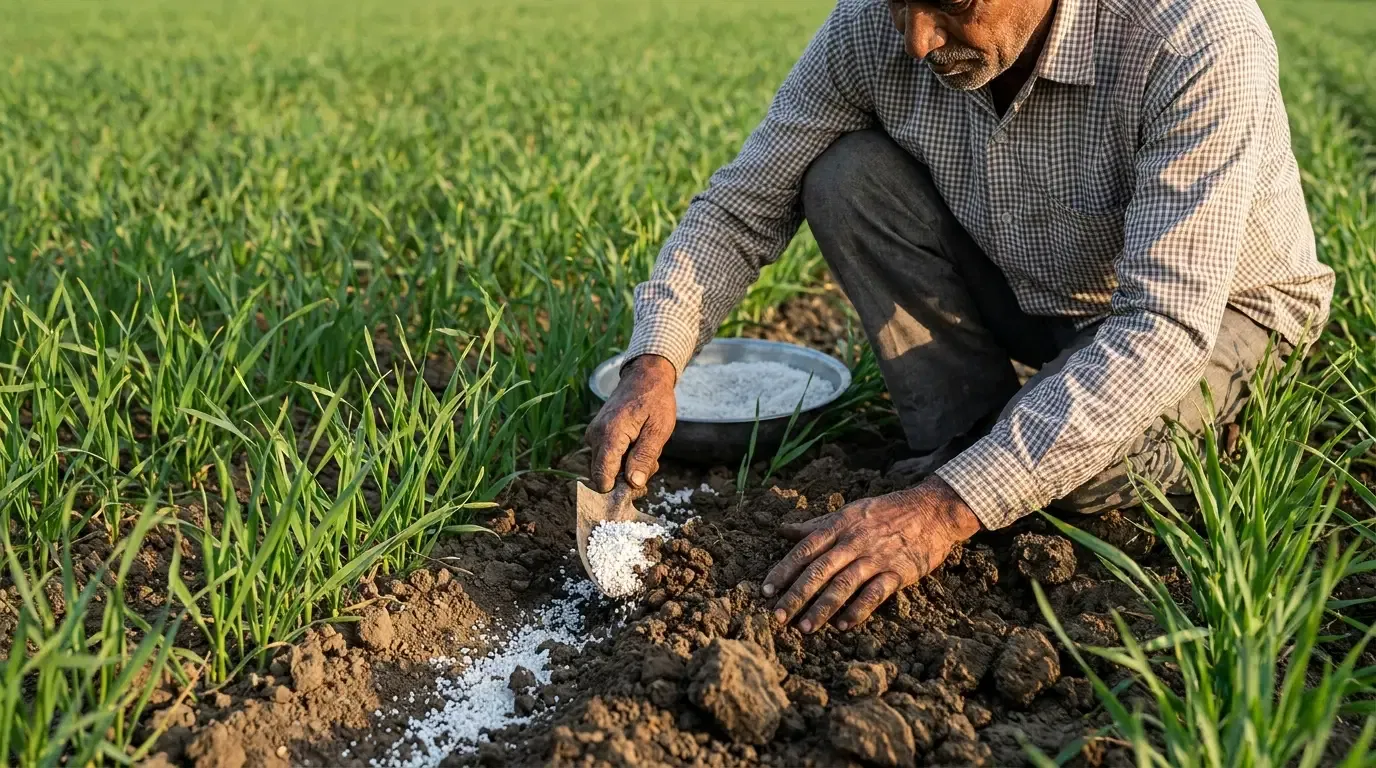
The most effective way to reduce nitrogen loss is to apply urea right before a rainfall or irrigation event that will move it into the soil. Even a light soaking can help, but more is usually better for getting urea below the surface quickly.
As a general rule, aim to get urea watered in within 24 hours of application. In hot, dry, or windy conditions, the window is even shorter.
Best practice: Apply urea just ahead of 0.25 to 0.5 inches of rainfall or enough irrigation to dissolve and move it into the soil.
Incorporate Urea Into the Soil
If rainfall is not expected soon, mechanical incorporation is one of the best ways to protect nitrogen. Mixing urea into the soil reduces exposure to air and lowers the risk of ammonia volatilization.
Common incorporation methods include:
- Tillage for field crops
- Banding fertilizer below the soil surface
- Injection into soil with specialized equipment
- Light cultivation in gardens and small plots
Incorporation is especially important for no-rain situations, high-value crops, and alkaline soils where surface losses can be severe.
Use Urease Inhibitors When Surface Application Is Necessary
Sometimes urea must be left on the surface, especially in no-till systems, pastures, lawns, or when equipment limitations make incorporation impossible. In those cases, a urease inhibitor can help slow the conversion of urea into ammonia and buy time for rainfall or irrigation to move it into the soil.
Urease inhibitors are most useful when:
- Rain is delayed for several days
- Soil temperatures are warm
- Urea is applied on residue or thatch
- Volatilization risk is high
These products do not eliminate nitrogen loss completely, but they can significantly reduce it when used correctly.
Avoid Applying Urea in Hot, Dry, Windy Weather
Weather plays a major role in nitrogen loss. Urea applied during hot afternoons, dry spells, or windy conditions is more likely to lose nitrogen to the air. Warm soil speeds urease activity, while dry surface conditions leave urea exposed longer before it can move into the soil.
Whenever possible, apply urea during cooler parts of the day and avoid spreading it just before several dry days. Early morning application can sometimes help if dew or irrigation is expected soon after.
Choose the Right Placement Method
Placement matters just as much as timing. Broadcasting urea on the surface has the highest volatilization risk. More protected placement methods can improve nitrogen efficiency and crop uptake.
Better Placement Options
- Banding: Places fertilizer in a concentrated zone below or near the root zone
- Side-dressing: Applies nitrogen near growing crops with less surface exposure
- Subsurface application: Reduces contact with air and residue
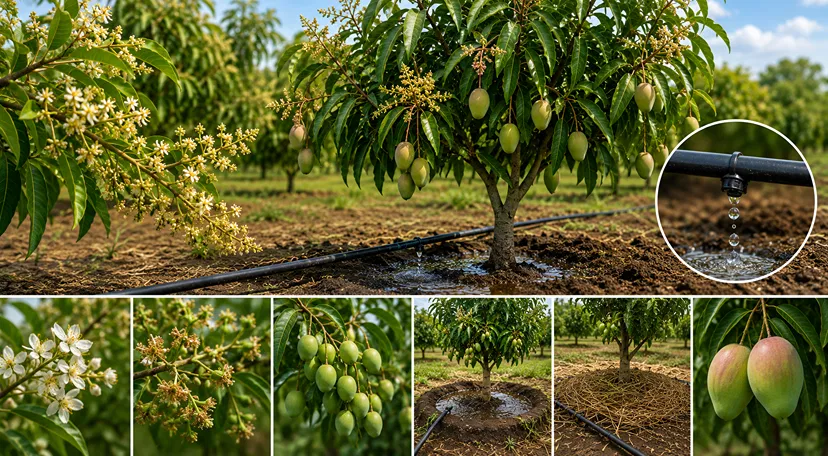
- Fertigation: Delivers urea through irrigation systems for immediate soil contact
For many growers, banded or injected urea gives the best balance of efficiency, crop response, and reduced nitrogen loss.
Mind the Soil pH
Soil pH affects how much nitrogen is lost from urea. Alkaline soils, especially those with pH above 7.0, are more prone to ammonia volatilization. On these soils, surface-applied urea can lose a larger share of its nitrogen if it is not incorporated quickly.
If you farm on high-pH ground, use extra care with placement, irrigation timing, and inhibitor use. These conditions make protecting nitrogen from the air even more important.
Don’t Overapply Urea
Applying more urea than the crop needs does not improve efficiency. In fact, it raises the cost of any nitrogen that is lost to the air. A precise fertilizer program based on soil tests, crop demand, and yield goals helps avoid unnecessary losses and supports stronger returns.
To get the best results:
- Base rates on soil and tissue testing
- Match timing to crop uptake
- Split applications when appropriate
- Adjust rates for weather and soil conditions
Efficient nitrogen management starts with applying the right amount, in the right place, at the right time.
Best Practices for Applying Urea Safely and Efficiently
If you want to minimize nitrogen loss from urea, follow these practical steps:
- Apply urea just before rainfall or irrigation whenever possible.
- Incorporate it into the soil if surface exposure will be long.
- Use a urease inhibitor when incorporation is not possible.
- Avoid application during hot, dry, windy weather.
- Prefer banding, injection, or subsurface placement over broadcasting.
- Pay extra attention on high-pH soils and heavy residue fields.
- Base application rates on soil tests and crop needs.
Following these steps can significantly improve nitrogen use efficiency and reduce wasted fertilizer.
Conclusion
Urea can be an excellent nitrogen source, but only if it is managed carefully. To apply urea without losing nitrogen to the air, focus on quick soil contact, smart timing, and better placement. Rainfall, irrigation, incorporation, and urease inhibitors all help protect your investment and keep more nitrogen available for plant growth.
The bottom line: the faster urea gets into the soil, the less nitrogen you lose. Make that your goal every time you apply it, and you’ll improve fertilizer efficiency, reduce waste, and support healthier crops, lawns, or pastures.