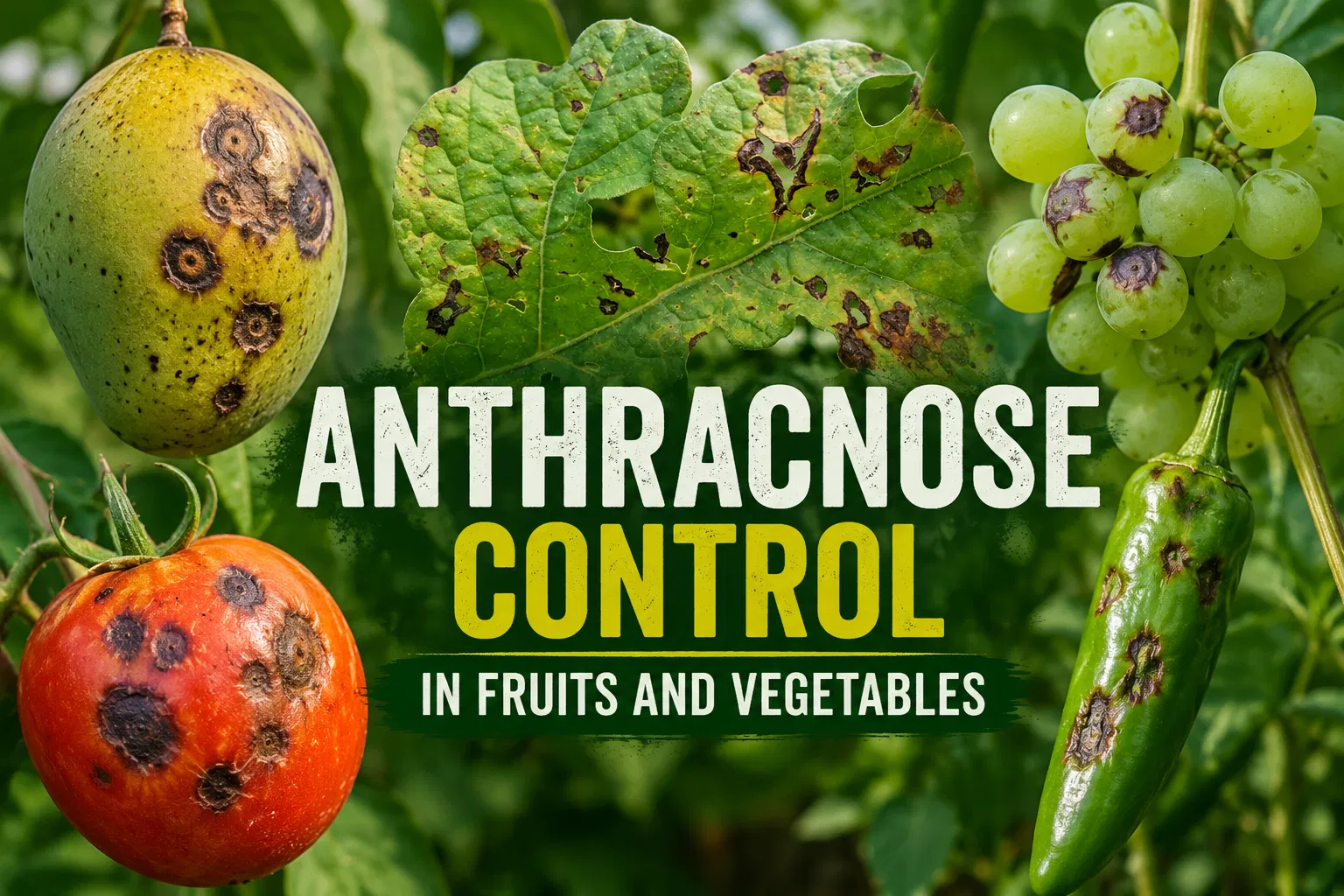
Few plant diseases spread as quietly and damage crops as quickly as anthracnose. One day fruits and vegetables look healthy, and the next you may notice dark, sunken spots, leaf blight, or rotting tissue that ruins quality and yield. For growers, gardeners, and produce handlers, effective anthracnose control in fruits and vegetables is essential to protecting harvests and reducing losses.
Anthracnose is a fungal disease that affects many crops, including tomatoes, peppers, cucumbers, beans, mangoes, avocados, strawberries, citrus, and melons. Because it thrives in warm, wet conditions, it can spread rapidly when weather, irrigation, or handling practices favor moisture on plant surfaces. The good news is that anthracnose can be managed successfully with a combination of sanitation, cultural practices, resistant varieties, and timely fungicide use when needed.
What Is Anthracnose?
Anthracnose is a group of plant diseases caused by several fungi, most commonly from the Colletotrichum genus. These pathogens infect leaves, stems, flowers, and fruits, often creating round, dark lesions with concentric rings or sunken centers. On fruits and vegetables, anthracnose can lead to premature drop, poor storage life, and unmarketable produce.
The disease often begins unnoticed. Fungal spores spread by rain splash, overhead irrigation, contaminated tools, infected seed, and infected plant debris. Once established, anthracnose can move quickly through a crop, especially when temperatures are warm and humidity remains high.
Common Signs and Symptoms
Recognizing symptoms early is one of the most important steps in anthracnose control. Depending on the crop, symptoms may vary, but common signs include:
- Small water-soaked spots that enlarge over time
- Dark, sunken lesions on fruits
- Brown or black spots on leaves with defined edges
- Stem cankers or cracking on stems and petioles
- Premature fruit drop
- Soft rot or decay during storage and transport
In many fruits, anthracnose lesions may appear as circular, depressed areas with pink or orange spore masses in humid conditions. In vegetables, the disease may look like blotchy leaf damage or fruit blemishes that reduce market value.
Why Anthracnose Spreads So Easily
Anthracnose is persistent because its fungi survive in plant debris, infected seeds, volunteer plants, and sometimes on alternate host weeds. The disease spreads most aggressively when several conditions align:
- Frequent rainfall or overhead watering
- Warm temperatures, often between 75°F and 85°F
- Poor air circulation
- Dense plant spacing
- Infected transplants, seed, or fruit
- Handling of wet plants or produce
Since anthracnose often depends on moisture for infection, reducing leaf wetness is a major part of managing the disease effectively.
Best Cultural Practices for Anthracnose Control
Preventing anthracnose starts long before symptoms appear. Strong cultural management reduces disease pressure and makes chemical control more effective if it becomes necessary.
1. Start with Clean Seed and Disease-Free Transplants
Always choose certified disease-free seed and healthy transplants from reputable suppliers. Infected seed or nursery stock can introduce anthracnose into the field or garden before the crop is even established.
2. Rotate Crops
Avoid planting the same crop or closely related crops in the same area year after year. Crop rotation helps reduce the buildup of fungal spores in soil and crop residue. Whenever possible, rotate with non-host crops for at least two to three years.
3. Remove Infected Plant Material
Promptly remove and destroy diseased leaves, stems, and fruits. Do not leave infected debris in the field, compost it unless the compost reaches temperatures high enough to kill pathogens, or allow it to remain where spores can survive.
4. Improve Airflow
Proper spacing, pruning, and trellising help leaves dry faster after rain or irrigation. Better airflow lowers humidity around the plant canopy, which makes it harder for anthracnose to infect tissues.
5. Use Drip Irrigation When Possible
Overhead irrigation increases leaf wetness and splashes spores from plant to plant. Drip irrigation delivers water directly to the root zone and is one of the most effective ways to reduce anthracnose spread.
6. Mulch the Soil
Organic or plastic mulch helps prevent spores from splashing up from soil and infected debris onto leaves and fruits. Mulch also reduces weed growth, which can serve as a reservoir for pathogens.
7. Harvest Carefully
Pick fruits and vegetables gently to avoid wounds. Bruises, cuts, and abrasions provide entry points for anthracnose fungi. Harvest only when produce is dry, and handle it with clean containers and tools.
Resistant Varieties and Crop Selection
Whenever available, planting anthracnose-resistant or tolerant varieties can significantly reduce losses. Resistance is not always complete, but it can slow disease development and make management easier. This is especially helpful in crops like beans, peppers, tomatoes, and certain fruits where varietal differences in susceptibility are well documented.
Check local extension recommendations for varieties that perform well in your area. Disease pressure, climate, and crop type all influence which varieties offer the best protection.
Fungicide Options for Anthracnose Management
Fungicides can be an important tool in anthracnose control, especially under high-risk weather conditions or in commercial production systems. However, fungicides work best when used as part of an integrated disease management program rather than as a stand-alone solution.
Key points to consider include:
- Apply fungicides preventively before infection when possible
- Follow labeled rates and timing recommendations carefully
- Rotate fungicide modes of action to reduce resistance risk
- Use products appropriate for the specific crop and disease
- Observe pre-harvest intervals and safety requirements
Because fungicide labels differ by crop and region, always confirm approved products for your specific fruit or vegetable before application. Resistance management is especially important with anthracnose fungi, which can adapt when the same chemistry is used repeatedly.
Postharvest Control Measures
Anthracnose does not end at harvest. In many fruits and vegetables, the fungus can remain latent and develop during storage, shipping, or ripening. That is why postharvest handling is just as important as field management.
Effective postharvest practices include:
- Harvesting only sound, undamaged produce
- Cooling produce promptly after harvest
- Keeping storage areas clean and dry
- Avoiding condensation on fruit and vegetables
- Sorting out infected or bruised items before storage
For some crops, approved postharvest fungicide treatments or hot water treatments may be used to reduce decay. These methods should only be used according to crop-specific guidelines.
Managing Anthracnose in the Home Garden
Home gardeners can reduce anthracnose with a few practical habits. Water plants early in the day at the base, not overhead. Space plants properly and remove infected leaves and fruit as soon as they appear. Keep garden beds free of fallen debris, and disinfect pruners between uses.
If the disease becomes recurring, consider switching to resistant varieties or moving the crop to a new location. In humid regions, choosing more open garden sites with good sun exposure can make a big difference.
Smart anthracnose control is about prevention first. Once the disease gets established, it becomes much harder to stop. Sanitation, moisture management, and early intervention remain the foundation of success.
Integrated Anthracnose Control Strategy
The most effective anthracnose management program combines several tactics rather than relying on one solution. An integrated approach should include:
- Clean seed or transplants
- Resistant varieties when available
- Crop rotation and debris removal
- Reduced leaf wetness through drip irrigation and spacing
- Careful scouting for early symptoms
- Timely fungicide use when justified
- Good harvest and storage hygiene
This layered strategy lowers disease pressure from multiple angles and improves the chances of producing healthy, marketable crops.
Final Thoughts
Anthracnose control in fruits and vegetables requires consistency, attention to detail, and a proactive mindset. Because the disease thrives in moisture and spreads quickly, waiting until symptoms are widespread often leads to major losses. The best results come from combining sanitation, resistant varieties, irrigation management, and targeted fungicide applications when needed.
If you want healthier plants and better-quality harvests, start with prevention today. Monitor crops regularly, reduce wetness wherever possible, and remove infected material early. With the right integrated approach, anthracnose can be managed effectively and your fruits and vegetables can stay productive, clean, and saleable.