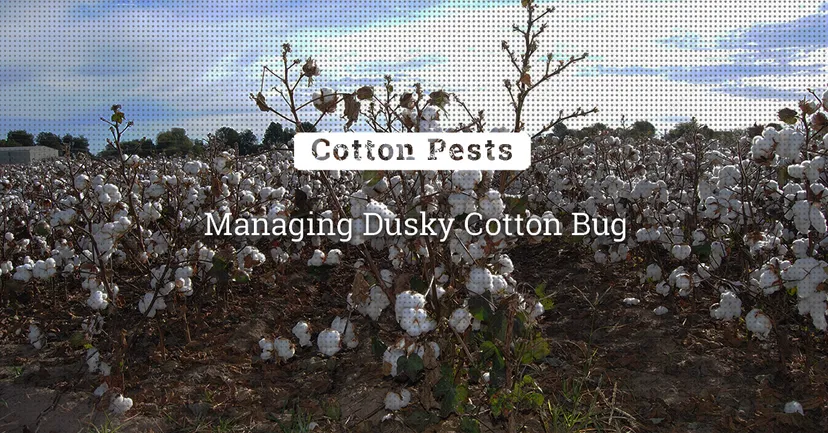
Cotton growers know the pressure that sucking pests can create. Aphids, jassids, whiteflies, and thrips may be small, but their impact on crop health, fiber quality, and final yield can be severe. When infestations build quickly, timely control becomes essential. That is where acetamiprid for sucking pest control in cotton stands out as a practical and widely used solution.
Acetamiprid is a systemic insecticide known for fast action, strong performance against key cotton sucking pests, and ease of use in integrated pest management programs. For farmers looking to protect tender cotton growth and reduce pest-driven stress, it offers a valuable tool when used correctly.
Why Sucking Pests Are a Major Threat in Cotton
Sucking pests feed by piercing plant tissues and extracting sap. This weakens the plant, disturbs normal growth, and often causes leaf curling, yellowing, stunting, and reduced boll development. In many cotton-growing regions, these pests can appear early in the season and spread rapidly under warm, dry conditions.
The most common sucking pests in cotton include:
- Aphids – cause leaf curling, honeydew buildup, and can transmit diseases
- Jassids – create characteristic leaf scorching and downward curling
- Whiteflies – weaken plants and contribute to sticky honeydew and sooty mold
- Thrips – damage young leaves and growing points, especially in early crop stages
Left unchecked, these pests can reduce photosynthesis, delay crop development, and affect lint quality. That is why early and targeted intervention matters.
What Makes Acetamiprid Effective
Acetamiprid belongs to the neonicotinoid group of insecticides. It works by affecting the nervous system of target insects, leading to rapid feeding cessation and eventual death. One of its key strengths is its systemic action, which means the product is absorbed by the plant and helps protect new growth as well.
This makes acetamiprid especially useful in cotton, where pests often attack tender leaves and shoots. It is commonly valued for:
- Fast knockdown of active sucking pest populations
- Systemic and translaminar movement in plant tissues
- Reliable control of multiple pest species
- Compatibility with crop protection programs
- Useful performance in early to mid-season cotton management
In practical field use, acetamiprid helps reduce pest pressure before damage spreads across the crop.
How Acetamiprid Works in Cotton
When applied to cotton, acetamiprid is absorbed and distributed within the plant. As sucking pests feed on treated tissues, they ingest the active ingredient. This disrupts their nervous system and stops feeding quickly, which is just as important as the eventual mortality effect.
Stopping feeding early helps limit plant stress and prevents further crop injury. In a crop like cotton, where early vigor influences overall yield potential, that early protection can make a significant difference.
Healthy cotton starts with protecting the plant before pest damage becomes irreversible.
Key Benefits of Acetamiprid for Cotton Growers
Acetamiprid has become a preferred option in many cotton protection programs because it offers both efficiency and flexibility. Some of the main benefits include:
1. Broad Control of Sucking Pests
It is effective against multiple pest groups that commonly attack cotton, reducing the need for separate treatments.
2. Systemic Protection
Because the compound moves within the plant, it can help protect new foliage and growing points.
3. Quick Feeding Interruption
Pests often stop feeding soon after exposure, which reduces immediate crop damage.
4. Practical Application Timing
It can be used when pest populations first cross economic thresholds, helping growers respond before infestations explode.
5. Useful in Resistance Management Programs
When rotated properly with other modes of action, acetamiprid can support a more sustainable insect control strategy.
Best Practices for Using Acetamiprid in Cotton
To get the best results, timing and application quality are critical. Acetamiprid should be used based on pest scouting and economic threshold levels rather than on a fixed calendar schedule.
- Scout the field regularly to detect early pest buildup.
- Identify the target pest correctly before selecting the spray.
- Apply at the recommended label rate for your product formulation.
- Ensure thorough coverage on the crop canopy, especially where pests are concentrated.
- Use sprays when pest pressure is rising but before severe damage occurs.
- Rotate with different insecticide groups to reduce resistance risk.
Good spray practices improve performance and help preserve the effectiveness of the active ingredient over time.
When to Use Acetamiprid in Cotton
Acetamiprid is often most useful during early and vegetative stages, when sucking pests are actively damaging young leaves and shoots. It may also be applied later in the season if pest pressure remains high and monitoring shows threshold levels are exceeded.
Some situations where growers commonly consider acetamiprid include:
- Early aphid or jassid buildup on young cotton plants
- Whitefly infestations beginning to spread across the field
- Thrips damage on seedlings and newly emerged plants
- High pest pressure after weather conditions favor rapid multiplication
As with any insecticide, local recommendations, label directions, and extension guidance should always be followed.
Integrated Pest Management and Acetamiprid
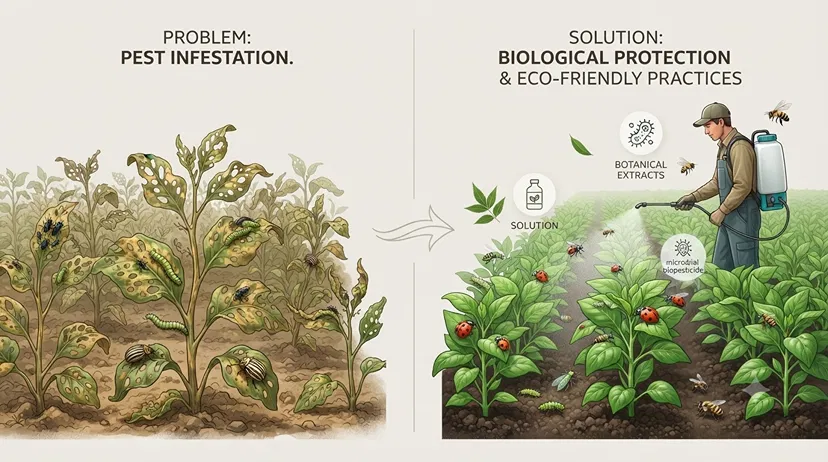
Acetamiprid works best as part of an integrated pest management, or IPM, approach. Relying on one product alone can increase the chance of resistance and may not provide long-term control. A smarter strategy combines chemical, cultural, and monitoring practices.
Effective cotton IPM may include:
- Regular field scouting and pest identification
- Conservation of beneficial insects where possible
- Avoiding unnecessary early sprays
- Using economic thresholds before treatment
- Rotating insecticides with different modes of action
- Removing weeds and alternate hosts that support pest buildup
By combining acetamiprid with these practices, growers can improve control while supporting more sustainable cotton production.
Resistance Management Considerations
Because sucking pests reproduce quickly and can adapt under repeated selection pressure, resistance management is essential. Acetamiprid should not be used repeatedly without rotation. Overuse can reduce field effectiveness over time.
To help manage resistance:
- Rotate with insecticides from different IRAC groups
- Avoid back-to-back applications of the same mode of action
- Use the correct dosage and spray interval
- Target the most vulnerable pest stages when possible
- Keep careful records of spray history and field performance
Protecting the long-term usefulness of acetamiprid benefits both current and future cotton crops.
Final Thoughts on Acetamiprid for Cotton Sucking Pest Control
Acetamiprid is a strong, field-tested option for controlling major sucking pests in cotton. Its systemic activity, fast feeding suppression, and effectiveness against aphids, jassids, whiteflies, and thrips make it a valuable tool for growers facing early and recurring pest pressure.
Still, the best results come from smart use: scout regularly, treat only when needed, follow label instructions, and rotate insecticide modes of action. When used as part of a well-planned IPM program, acetamiprid for sucking pest control in cotton can help protect crop health, support yield potential, and improve harvest outcomes.
For cotton growers, timely pest control is not just a reaction—it is an investment in the crop’s full potential.