A plant that droops, yellows, or drops leaves right after repotting is alarming, but it isn't always fatal. The key is telling ordinary transplant shock — a temporary, recoverable stress response — apart from the handful of repotting mistakes that genuinely put a plant at risk. Here's how to tell the difference and what to do about it.
Transplant Shock vs. Real Trouble
| Sign | Likely Transplant Shock (Normal) | Likely Serious Problem |
|---|---|---|
| Drooping | Mild, appears within a day or two, improves within 1–2 weeks | Severe, worsens over time, doesn't stabilize |
| Leaf drop | A few older/lower leaves shed | Rapid, widespread leaf drop across the whole plant |
| Stem/base | Firm, normal color | Soft, mushy, blackened, or foul-smelling |
| Timeline | Symptoms plateau or improve within 2–3 weeks | Symptoms keep progressing past 3 weeks |
Common Causes of Post-Repotting Decline
1. Root Damage During the Move
Roots torn or broken while removing the plant or loosening the root ball need time to heal, and until they do, the plant can't take up water and nutrients efficiently — showing up as wilting even in moist soil.
2. Overwatering Right After Repotting
This is the single most common cause of a plant actually dying post-repot, not just showing shock. Fresh soil combined with a reduced, still-recovering root system can't use water as fast as before; excess moisture sitting around damaged roots creates ideal conditions for root rot pathogens like Pythium and Fusarium species.
3. Sudden Change in Light or Location
Moving a plant to a brighter spot at the same time as repotting adds a second stress on top of root disturbance. Leaves that were adapted to lower light can scorch or the plant can wilt simply from the combined shock, separate from anything wrong with the roots.
4. Oversized Pot
A pot that's too large holds unused, consistently wet soil around the root ball, which both invites rot and gives roots little incentive to actively grow into the new space.
5. Wrong Soil Type
Dense, poorly draining soil suffocates recovering roots that need oxygen to regrow. This is especially damaging for succulents and other plants that need a much grittier mix than standard potting soil provides.
6. Fertilizing Too Soon
Applying fertilizer immediately after repotting can burn already-stressed root tips with concentrated salts, compounding the damage rather than helping recovery.
How to Diagnose What's Actually Wrong
Gently tip the plant out of its pot and look at the roots. Firm, light-colored roots with normal soil moisture point to ordinary transplant shock — give it time. Dark, mushy, or foul-smelling roots confirm root rot, which needs active intervention rather than patience alone.
How to Revive a Struggling Plant
- If roots are healthy: Move to bright, indirect light, water only when the topsoil is dry, and wait — most transplant shock resolves within 2–3 weeks without intervention.
- If roots show early rot: Remove the plant, trim away all blackened or mushy roots with a clean tool, and repot into fresh, well-draining mix — a blend of potting mix and cocopeat with added sand or perlite for aeration.
- If rot is confirmed: Drench the root zone with a Trichoderma-based bio-fungicide after repotting to suppress soil-borne pathogens before they spread further.
- Once new growth appears: A mild seaweed-based biostimulant can support root recovery and nutrient uptake without the intensity of a full chemical fertilizer — introduce it only after the plant shows clear signs of stabilizing.
When It's Genuinely Too Late
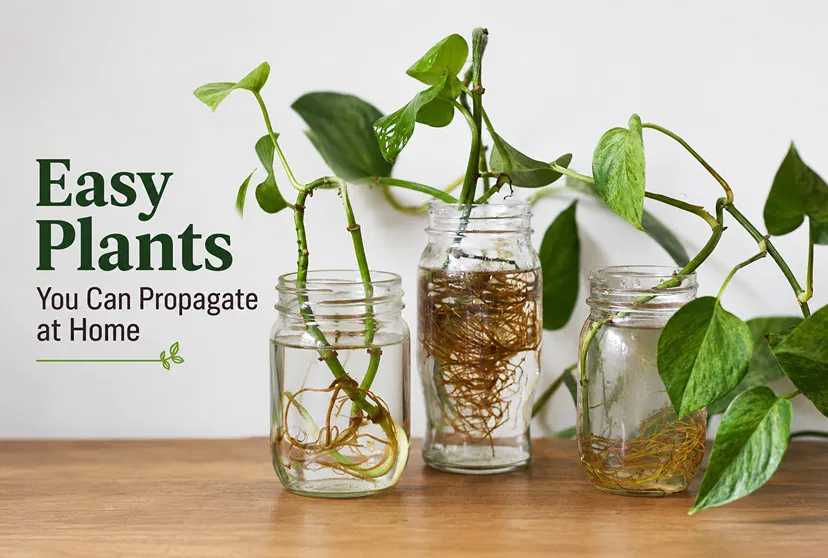
A stem base that has turned fully black and mushy, combined with a root system that has almost entirely rotted away, usually can't be saved as a whole plant. In that case, check for any firm, healthy stem sections above the damage — many houseplants, including pothos and jade plant, can be propagated from a healthy cutting even if the original root system is lost.
Frequently Asked Questions
How long does transplant shock normally last?
Typically 1–3 weeks; symptoms should be stabilizing or improving by the end of that window, not worsening.
Should I water more if my plant is wilting after repotting?
Not automatically — check the soil moisture first. Wilting with wet soil usually points to root damage or rot, not thirst.
Can a plant recover from root rot after repotting?
Yes, if caught early — trimming affected roots and repotting into fresh, well-draining soil with a bio-fungicide treatment gives it a real chance.
Disclaimer: General guidance for common indoor and container plants; recovery outcomes depend on the extent of root damage, species, and growing conditions. Always follow product label instructions for any fertilizer or bio-fungicide application.