Water is one of the most valuable resources in agriculture and landscaping, yet much of it is often wasted through runoff, evaporation, or deep percolation. Trickle irrigation, also known as drip irrigation, offers a smarter way to deliver water exactly where it is needed. By supplying moisture slowly and directly to the root zone, this efficient irrigation method helps plants grow healthier while conserving water and reducing waste.
Whether used in farms, orchards, gardens, greenhouses, or home landscapes, drip irrigation has become one of the most practical solutions for modern water management. Understanding its working principle and uses can help growers, gardeners, and property owners make better decisions about irrigation systems.
What Is Trickle Irrigation?
Trickle irrigation is a method of applying water slowly and in a controlled manner directly to the base of plants. Instead of flooding the entire field or spraying water over a large area, the system releases water drop by drop through emitters, drippers, or micro-sprinklers.
This precise application reduces water loss and ensures that the root zone receives adequate moisture. Because of this, drip irrigation is especially useful in areas where water is scarce or where plants require careful irrigation management.
Working Principle of Trickle Irrigation
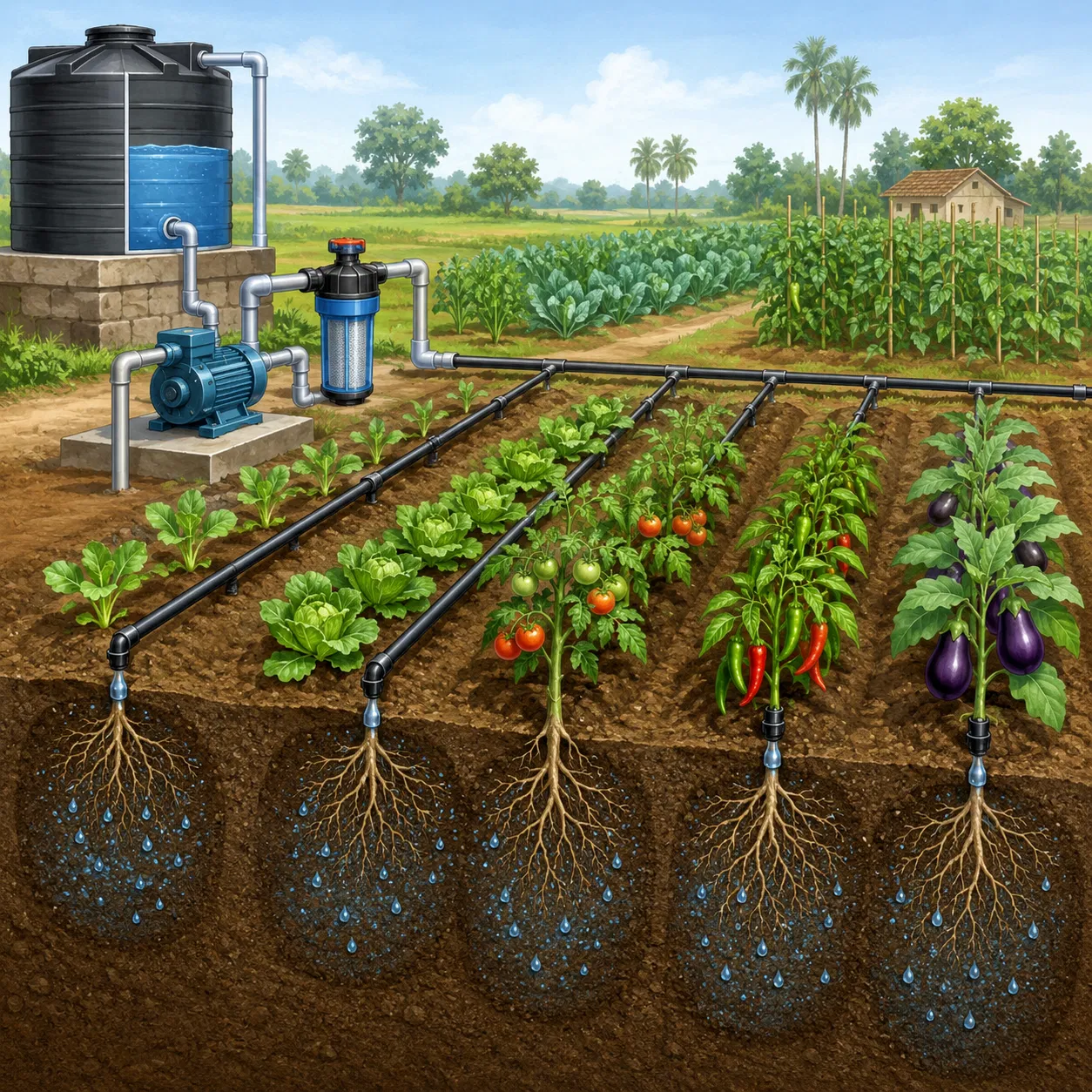
The working principle of trickle irrigation is simple: water is delivered under low pressure through a network of pipes and released slowly near the plant roots. This controlled release allows the soil to absorb water efficiently without excessive runoff or evaporation.
1. Water Source and Pumping
The system begins with a water source such as a tank, well, pond, or municipal supply. A pump may be used to maintain the required pressure so water can move through the entire system evenly.
2. Filtration
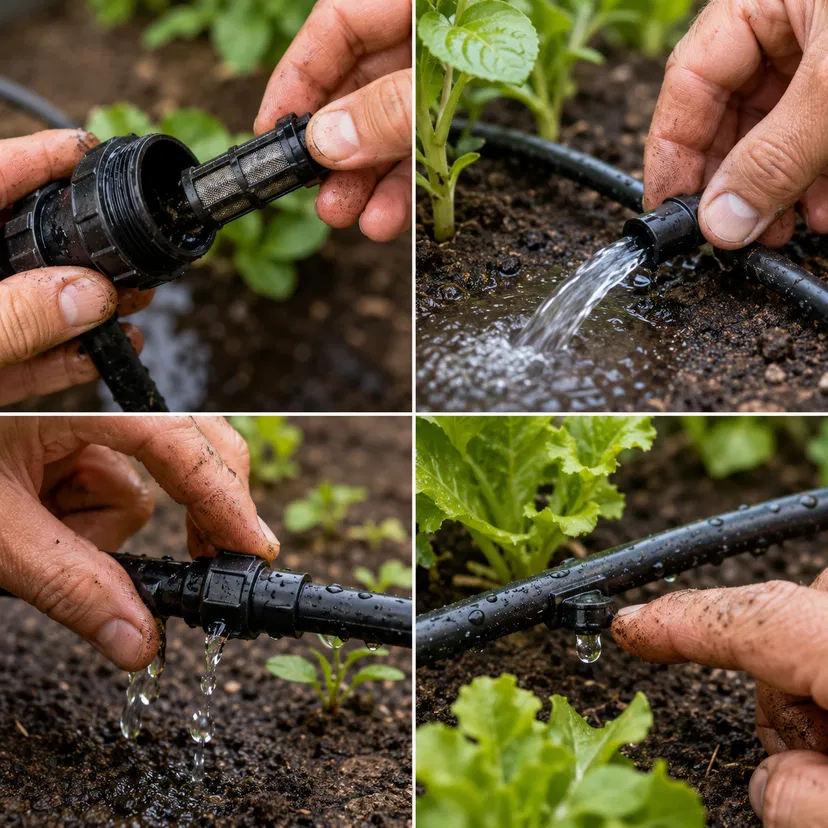
Before water enters the pipes, it passes through filters to remove dirt, sand, and other particles. This step is essential because drip emitters have tiny openings that can easily clog.
3. Main and Sub-Main Pipelines
Filtered water flows into the mainline and then into smaller sub-main lines. These pipelines distribute water across the field, garden, or greenhouse in a planned layout.
4. Laterals and Emitters
From the sub-main lines, smaller lateral tubes carry water close to each plant. Emitters or drippers are placed at intervals along these tubes. Each emitter releases water slowly, usually at a fixed flow rate, directly into the soil near the roots.
5. Root Zone Wetting
Because water is applied near the root zone, plants receive consistent moisture where they need it most. The soil absorbs the water gradually, reducing evaporation and minimizing drainage losses.
6. Pressure and Flow Control
Pressure regulators, valves, and timers are often used to control the flow rate and irrigation schedule. This makes it possible to automate watering and maintain uniform distribution across different plant types and soil conditions.
In simple terms, drip irrigation works by delivering small amounts of water slowly and directly to plant roots, improving efficiency and reducing waste.
Main Components of a Drip Irrigation System
A trickle irrigation system usually includes several important parts that work together to deliver water efficiently:
- Water source: Supplies the irrigation water.
- Pump: Provides pressure for water movement.
- Filter: Removes debris and prevents clogging.
- Mainline and sub-main pipes: Carry water through the system.
- Lateral tubes: Deliver water to individual plants.
- Emitters/drippers: Release water drop by drop.
- Valves and regulators: Control flow and pressure.
- Timers or controllers: Automate irrigation schedules.
Benefits of Trickle Irrigation
Drip irrigation is widely preferred because it offers several important advantages over traditional watering methods. Its benefits make it ideal for both small-scale and large-scale use.
Water Efficiency
One of the biggest benefits of trickle irrigation is water savings. Since water is delivered directly to the root zone, very little is lost to evaporation, wind drift, or surface runoff.
Better Plant Growth
Plants receive regular and controlled watering, which supports healthier root development and more stable growth. Avoiding overwatering also helps reduce plant stress.
Reduced Weed Growth
Because only the desired plant area gets watered, the surrounding soil stays drier. This makes it harder for weeds to grow and compete with crops or garden plants.
Lower Disease Risk
Wet leaves and excess surface moisture often encourage fungal diseases. Drip irrigation keeps foliage dry, helping reduce the risk of leaf-related plant diseases.
Fertilizer Efficiency
Trickle irrigation can be combined with fertigation, a method of applying fertilizers through the irrigation system. This improves nutrient delivery and helps plants absorb nutrients more effectively.
Labor and Time Savings
With timers and automated controls, drip systems reduce the need for manual watering. This saves time, effort, and labor costs over the long term.
Suitable for Uneven Land
Drip irrigation works well on sloped or irregular terrain where surface irrigation may cause uneven water distribution.
Uses of Trickle Irrigation
Trickle irrigation is highly versatile and can be used in many different settings. Its precision and efficiency make it useful wherever controlled watering is needed.
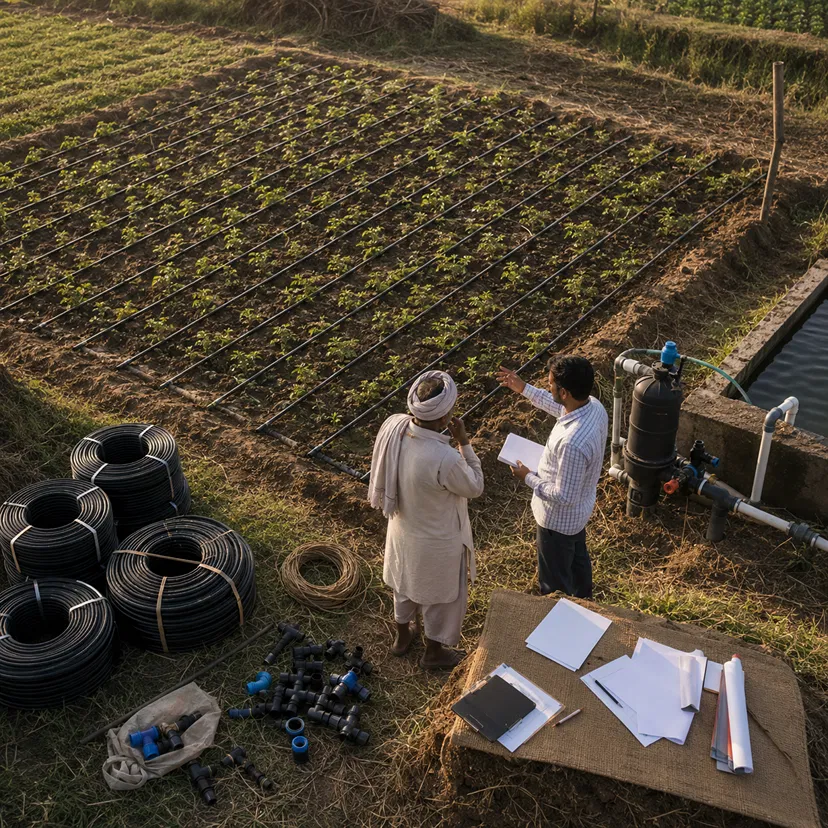
Agriculture
Farmers use drip irrigation for row crops, vegetables, cotton, sugarcane, and other high-value crops. It helps improve yield while reducing water consumption.
Orchards and Vineyards
Fruit trees, grapevines, and plantation crops benefit greatly from drip systems because water can be applied near each tree or vine individually.
Greenhouses
In greenhouse farming, where environmental conditions are carefully managed, trickle irrigation provides exact control over soil moisture and nutrient delivery.
Landscaping and Lawns
Drip irrigation is commonly used in gardens, flower beds, hedges, and landscaped areas to keep plants healthy while conserving water.
Home Gardening
Homeowners use small-scale drip systems for potted plants, vegetable gardens, and decorative plants. It is a convenient way to maintain regular watering during hot weather or while traveling.
Nurseries
Nursery plants need consistent moisture without waterlogging. Drip irrigation provides a reliable solution for seedlings, saplings, and young plants.
Limitations of Trickle Irrigation
Although drip irrigation is highly effective, it also has some limitations. Understanding these helps users maintain the system properly and avoid problems.
- Initial cost: Installation can be more expensive than basic watering methods.
- Clogging risk: Emitters can block if the water is not properly filtered.
- Maintenance needs: Pipes, emitters, and filters require regular inspection.
- Design requirement: The system must be planned carefully for even water distribution.
- Damage possibility: Tubes may be affected by sunlight, rodents, or physical wear.
Best Practices for Efficient Drip Irrigation
To get the most out of trickle irrigation, proper installation and maintenance are essential. A well-managed system lasts longer and performs better.
- Use good filtration: Keep emitters free from clogging by filtering water properly.
- Check pressure regularly: Maintain the right pressure for uniform water delivery.
- Inspect emitters: Look for leaks, blockages, or uneven flow.
- Schedule watering wisely: Irrigate based on crop need, soil type, and weather.
- Flush the lines: Clean pipelines periodically to remove sediment buildup.
- Protect tubes from damage: Cover or secure lines where necessary.
Why Trickle Irrigation Matters Today
As water scarcity becomes a growing concern, efficient irrigation systems are more important than ever. Trickle irrigation supports sustainable farming and gardening by reducing waste and improving water-use efficiency. It helps growers produce more with less water, making it a practical response to modern agricultural challenges.
This method also supports precision agriculture, where every drop and nutrient is managed carefully. For farmers, landscapers, and home gardeners alike, drip irrigation is not just a convenience—it is a smart investment in healthier plants and better resource management.
Conclusion
Trickle irrigation, or drip irrigation, is one of the most efficient ways to water plants. Its working principle is based on slow, direct delivery of water to the root zone, which minimizes waste and promotes healthier growth. From farms and orchards to gardens and greenhouses, its uses are wide-ranging and highly valuable.
If you want to save water, reduce maintenance, and improve plant performance, drip irrigation is worth considering. With proper design, regular maintenance, and smart scheduling, it can deliver long-term benefits for both productivity and sustainability.
In a world where every drop counts, trickle irrigation offers a simple but powerful solution.