Root rot and wilt diseases can quietly devastate crops long before the damage becomes obvious. By the time leaves droop, roots brown, or plants collapse, the pathogen has often already spread. For growers looking for a sustainable, effective, and soil-friendly approach, Trichoderma for root rot and wilt disease control has become one of the most trusted biological solutions in modern agriculture.
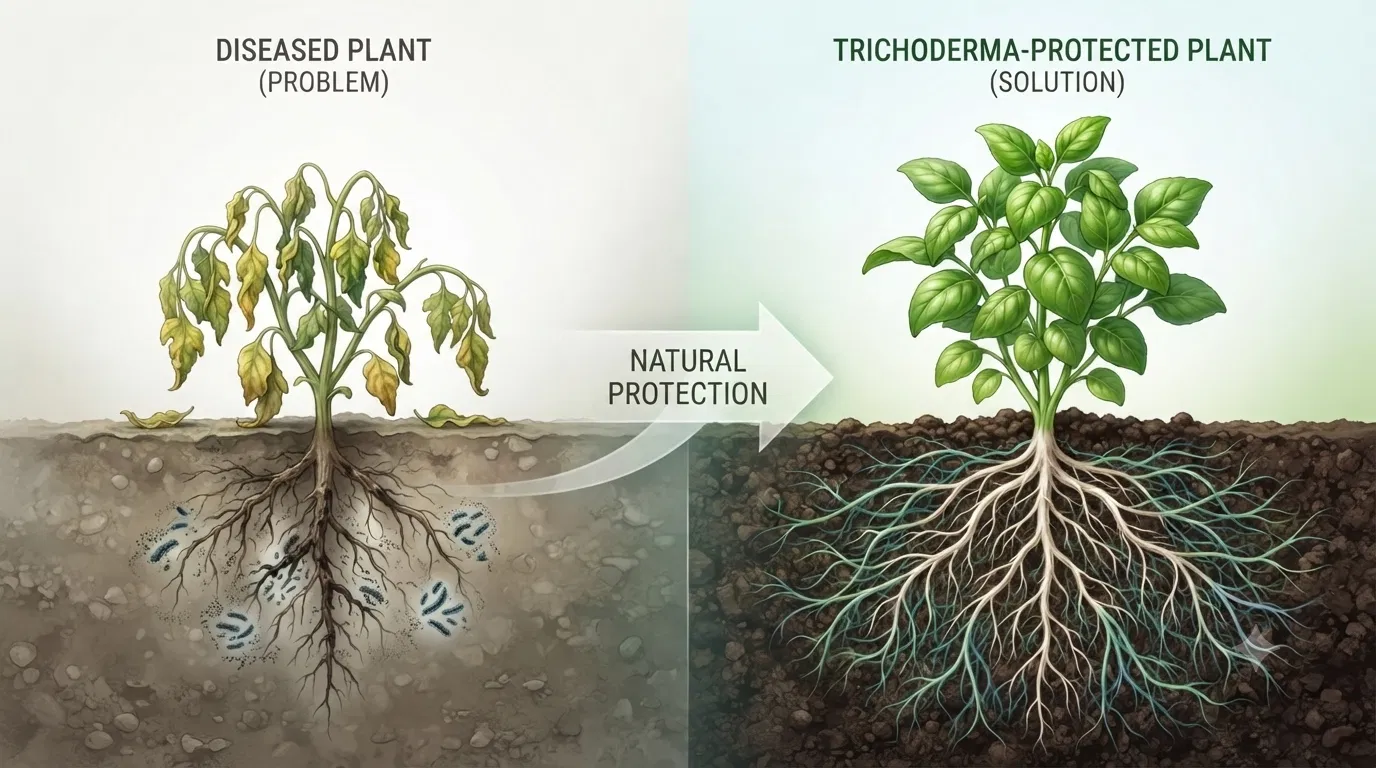
Trichoderma is not a chemical fungicide. It is a beneficial fungus that lives in the root zone, competes with harmful pathogens, and helps plants build stronger defenses. Whether you are growing vegetables, fruits, ornamentals, or field crops, Trichoderma can play a powerful role in reducing disease pressure and improving plant vigor.
What Is Trichoderma?
Trichoderma is a genus of beneficial fungi found naturally in soil and around plant roots. Some species are widely used as biocontrol agents because they suppress harmful fungi that cause root rot, wilt, damping-off, and other soil-borne diseases.
Instead of attacking the crop, Trichoderma colonizes the rhizosphere, or root zone, where it helps create a protective environment. It is commonly applied as:
- Seed treatment
- Soil drench
- Root dip
- Compost or organic amendment
- Granular formulation in planting beds
Why Root Rot and Wilt Are So Dangerous
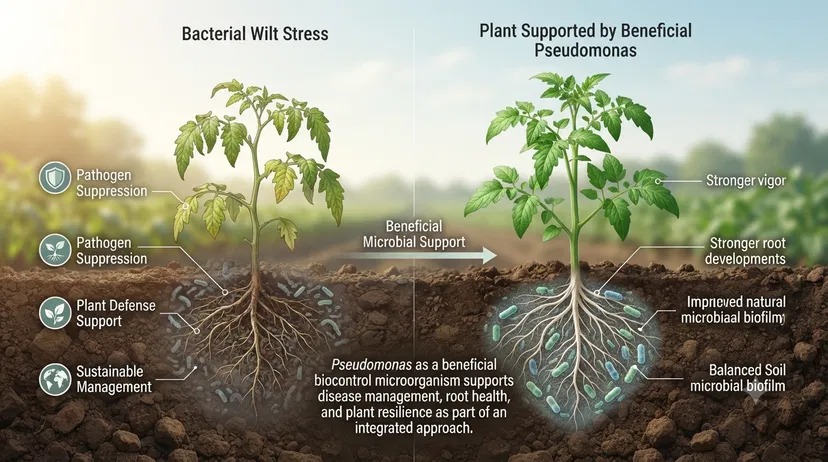
Root rot and wilt diseases are often caused by soil-borne fungi such as Fusarium, Rhizoctonia, Phytophthora, and Pythium. These pathogens attack roots, block water uptake, and weaken the plant's ability to transport nutrients.
Common signs include:
- Yellowing leaves
- Stunted growth
- Wilting during the hottest part of the day
- Blackened or rotting roots
- Sudden plant collapse
- Poor flowering and low yield
Because these pathogens live in soil, they are difficult to eliminate completely. That is why preventive biological control is so important.
How Trichoderma Controls Root Rot and Wilt
Trichoderma works through several complementary mechanisms. This makes it especially effective in integrated disease management programs.
1. It Competes for Space and Nutrients
Trichoderma colonizes root surfaces quickly and occupies the same ecological niche that disease-causing fungi need. By doing so, it limits the ability of harmful organisms to establish themselves.
2. It Produces Antifungal Compounds
Many Trichoderma species release enzymes and metabolites that inhibit or destroy pathogen cell walls. This weakens fungi responsible for root rot and wilt, reducing their spread in the soil.
3. It Parasitizes Harmful Fungi
Trichoderma can directly attack pathogenic fungi through a process called mycoparasitism. It recognizes the pathogen, attaches to it, and breaks it down using enzymes such as chitinases and glucanases.
4. It Stimulates Plant Defenses
Another major benefit of Trichoderma is its ability to trigger the plant's own immune response. Treated plants often develop stronger resistance to infection and recover more quickly from stress.
5. It Improves Root Growth
Healthier roots mean better uptake of water and nutrients. Trichoderma is often associated with more vigorous root systems, which helps plants tolerate drought, transplant shock, and disease pressure more effectively.
Benefits of Using Trichoderma in Crop Protection
Trichoderma is popular not only because it controls disease, but because it supports overall plant health. Key benefits include:
- Reduced incidence of root rot and wilt
- Improved root development
- Better seedling survival
- Enhanced nutrient absorption
- Stronger plant immunity
- Lower dependence on chemical fungicides
- Safer option for organic farming
- Better soil biological activity
For many growers, Trichoderma is an ideal choice because it offers both disease protection and plant growth promotion in one application.
Best Ways to Apply Trichoderma
To get the best results, Trichoderma should be applied before or early in disease development. It works best as a preventive treatment rather than a rescue treatment for severely infected plants.
Seed Treatment
Coating seeds with Trichoderma before sowing helps protect seedlings from damping-off and early root infections. This is especially useful for vegetables and field crops.
Root Dip
For transplants, dipping roots in a Trichoderma suspension before planting can help establish beneficial colonization right from the start.
Soil Drench
Applying Trichoderma directly to the soil around the root zone allows it to establish in the rhizosphere and suppress soil-borne pathogens.
Compost Mixing
Adding Trichoderma to compost or well-decomposed organic matter can increase microbial activity and improve soil health over time.
Granular Application
Granular formulations are convenient for nurseries, orchards, and larger field applications where uniform distribution is important.
When to Use Trichoderma for Maximum Effect
Timing matters. Trichoderma performs best when the soil environment supports its survival and multiplication.
- Before planting or transplanting
- At the seedling stage
- After pruning or root disturbance
- During early signs of disease pressure
- As part of routine soil health management
Once root rot is severe, Trichoderma alone may not be enough. It is most effective when used early and consistently.
How to Support Trichoderma Activity in the Field
Trichoderma is a living organism, so its performance depends on the environment. To encourage successful colonization, farmers should focus on good agronomic practices.
- Avoid waterlogged soil
- Use well-drained growing media
- Incorporate organic matter
- Maintain balanced fertilization
- Reduce excessive chemical fungicide use
- Store products properly away from heat and direct sunlight
Healthy soil gives Trichoderma the best chance to thrive and protect plants effectively.
Trichoderma in Organic and Sustainable Farming
As growers look for safer alternatives to synthetic disease control, Trichoderma has gained importance in organic and low-input systems. It fits well into sustainable agriculture because it reduces pathogen pressure without harming beneficial organisms or leaving harmful residues.
It is especially valuable in:
- Organic vegetable production
- Nursery management
- Greenhouse cultivation
- Fruit orchards
- Medicinal and horticultural crops
In many cases, Trichoderma also complements compost, biofertilizers, and other microbial products, creating a more resilient soil ecosystem.
Limitations to Keep in Mind
Although Trichoderma is highly effective, it is not a magic cure. Results can vary based on soil conditions, pathogen load, product quality, and application method.
Important considerations include:
- Use reliable, high-quality formulations
- Apply at the right growth stage
- Avoid mixing with incompatible pesticides
- Do not expect instant visible results
- Combine with sanitation, drainage, and crop rotation
The best outcomes come from integrating Trichoderma into a broader disease management strategy.
Conclusion
Root rot and wilt diseases are among the most destructive problems in crop production, but they do not have to define your harvest. Trichoderma for root rot and wilt disease control offers a practical, eco-friendly, and proven way to protect roots, strengthen plants, and improve long-term soil health.
When used early and correctly, Trichoderma does more than suppress disease it helps build a healthier growing system from the ground up.
If you want stronger roots, lower disease losses, and a more sustainable production program, Trichoderma deserves a place in your crop protection plan. Start early, apply consistently, and combine it with good agronomy for the best results.