Water is one of the most valuable inputs on any farm, and in many regions, it is also one of the scarcest. As climate patterns shift, rainfall becomes less predictable, and water costs continue to rise, farmers need irrigation methods that do more with less. The good news is that several water-saving irrigation methods can help reduce waste, improve crop health, and lower long-term costs without sacrificing yield.
Whether you manage a small family farm or a large-scale operation, adopting smarter irrigation practices can make a measurable difference. In this guide, we’ll explore the most effective water-efficient irrigation systems every farmer should consider, along with practical tips for getting the best results.
Why Water-Saving Irrigation Matters
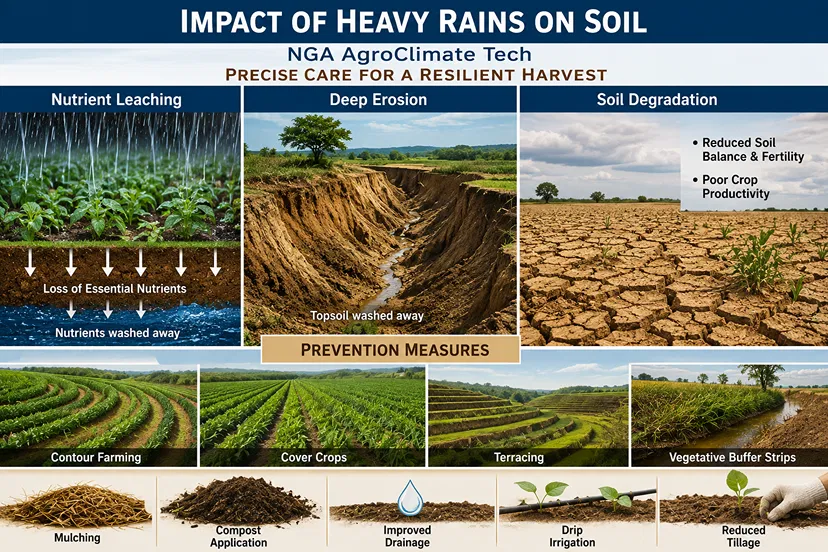
Traditional irrigation methods often lose a significant amount of water through evaporation, runoff, and deep percolation. That means crops receive less of the water applied, and farmers pay more for wasted resources. By switching to efficient irrigation techniques, you can:
- Reduce water consumption
- Improve crop yield and consistency
- Lower pumping and energy costs
- Minimize soil erosion and nutrient loss
- Support sustainable farming practices
Efficient water use is no longer optional; it is a competitive advantage. Farms that adopt smarter irrigation strategies are often better prepared for drought, regulations, and changing market conditions.
1. Drip Irrigation
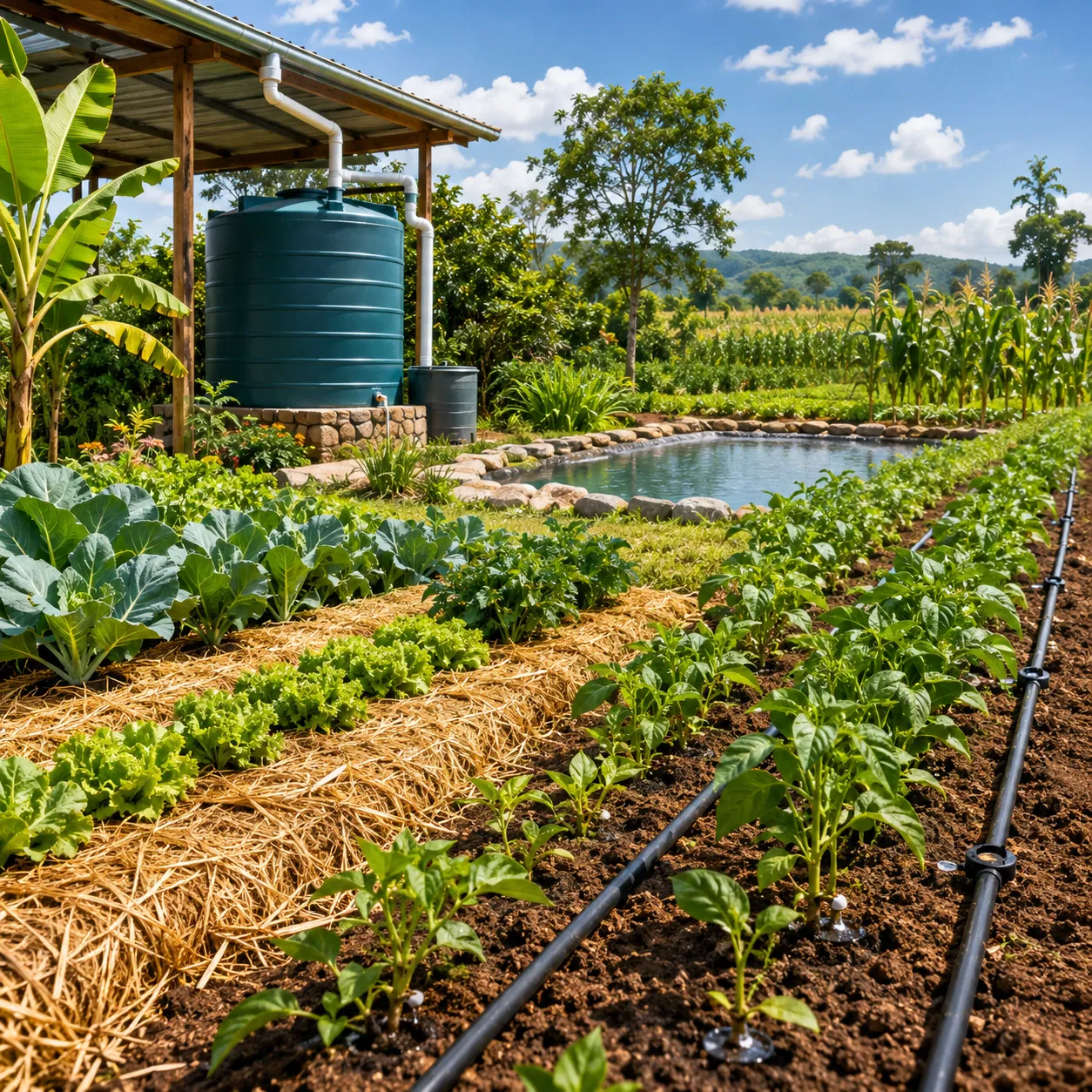
Drip irrigation is one of the most effective water-saving irrigation methods available today. It delivers water directly to the root zone through a network of tubes, emitters, and valves. Instead of soaking the entire field, drip systems target only the plants that need moisture.
Why farmers choose drip irrigation
- Reduces evaporation and runoff
- Improves water placement and efficiency
- Helps control weeds by limiting water between rows
- Works well for vegetables, orchards, vineyards, and row crops
Drip irrigation is especially useful in dry regions or on uneven terrain where water distribution can be difficult. It can also be combined with fertigation, which allows fertilizers to be applied through the irrigation system for even better precision.
2. Micro-Irrigation
Micro-irrigation is a broader category that includes drip systems, micro-sprinklers, and other low-flow delivery methods. These systems are designed to apply water slowly and precisely, making them ideal for water conservation.
Best uses for micro-irrigation
- Greenhouses
- High-value crops
- Fruit trees
- Nurseries
Because micro-irrigation applies water in small amounts over time, it helps maintain consistent soil moisture while reducing waste. For farmers growing crops with specific water needs, this can lead to healthier plants and more uniform growth.
3. Sprinkler Irrigation with Smart Controls
Sprinkler irrigation can still be efficient when paired with modern technology and careful scheduling. Unlike older systems that often overwater fields, today’s smart sprinkler systems can be adjusted based on soil conditions, weather data, and crop stage.
How to make sprinkler systems more water-efficient
- Use pressure regulators to reduce misting and drift
- Install timers and automated controllers
- Water early in the morning or late in the evening
- Match nozzle type and spacing to crop needs
Smart sprinkler irrigation works best when carefully managed. If you already have a sprinkler setup, upgrading controls may be a cost-effective way to reduce water use without replacing the entire system.
4. Soil Moisture Monitoring
One of the most overlooked ways to save water is simply knowing when to irrigate. Soil moisture sensors and monitoring tools help farmers avoid guesswork by measuring the actual water content in the root zone.
Benefits of soil moisture monitoring
- Prevents overwatering
- Helps schedule irrigation more accurately
- Improves drought management
- Supports data-driven farm decisions
When combined with any irrigation method, soil moisture monitoring can significantly improve efficiency. Instead of irrigating on a fixed schedule, farmers can respond to real conditions in the field. This not only saves water but also protects crops from stress caused by too much or too little moisture.
5. Mulching to Reduce Evaporation
While mulching is not an irrigation system on its own, it is a powerful companion to water-saving irrigation methods. Mulch helps retain soil moisture by reducing evaporation from the soil surface and keeping the root zone cooler.
Common mulch options
- Organic mulches such as straw, leaves, or compost
- Plastic mulch for row crops
- Living mulch in some specialty systems
Mulching can reduce the frequency of irrigation and improve overall water retention. It also helps suppress weeds, which compete with crops for moisture. For farmers looking to make the most of every drop, mulch is a simple but highly effective strategy.
6. Deficit Irrigation
Deficit irrigation is a controlled method where crops receive less water than their full requirement during certain growth stages. The goal is to conserve water while minimizing any impact on yield or quality.
When deficit irrigation works best
- Wine grapes
- Olives
- Some fruit and nut crops
- Crops where quality matters more than maximum size
This method requires careful planning and crop knowledge. If used correctly, deficit irrigation can improve water productivity and sometimes even enhance crop quality. However, it is not suitable for every crop or every stage of growth, so it should be applied strategically.
7. Irrigation Scheduling Based on Weather Data
Weather-based irrigation scheduling uses local climate data, evapotranspiration rates, and forecast information to determine when and how much to irrigate. This method helps farmers avoid irrigating before rainfall or during low-demand periods.
Why weather-based scheduling matters
- Reduces unnecessary watering
- Improves timing and accuracy
- Adapts to changing weather conditions
- Supports smarter resource planning
Even simple tools like rain gauges and weather apps can improve scheduling. For larger operations, automated systems can integrate weather data directly into irrigation decisions, making water savings even more substantial.
How to Choose the Right Irrigation Method
Not every water-saving irrigation method fits every farm. The right choice depends on crop type, soil conditions, terrain, budget, and available water supply. Before investing in a new system, consider these factors:
- Crop needs: Different crops require different watering patterns
- Soil type: Sandy soils drain faster, while clay soils hold water longer
- Field layout: Uneven fields may benefit more from drip or micro-irrigation
- Water source: Pressure and flow rate affect system performance
- Budget: Initial costs should be weighed against long-term savings
A combination of methods often works best. For example, a farmer might use drip irrigation, mulch, and soil moisture sensors together to maximize efficiency.
Final Thoughts
Saving water on the farm is about more than conservation; it is about resilience, profitability, and smarter crop management. By adopting water-saving irrigation methods like drip irrigation, micro-irrigation, soil moisture monitoring, and weather-based scheduling, farmers can reduce waste and improve productivity at the same time.
The best irrigation system is the one that delivers the right amount of water, at the right time, with the least waste.
If you want better yields and lower water bills, start by evaluating your current irrigation setup and identifying one or two efficiency improvements you can make this season. Small changes can lead to major savings over time, and every drop counts.