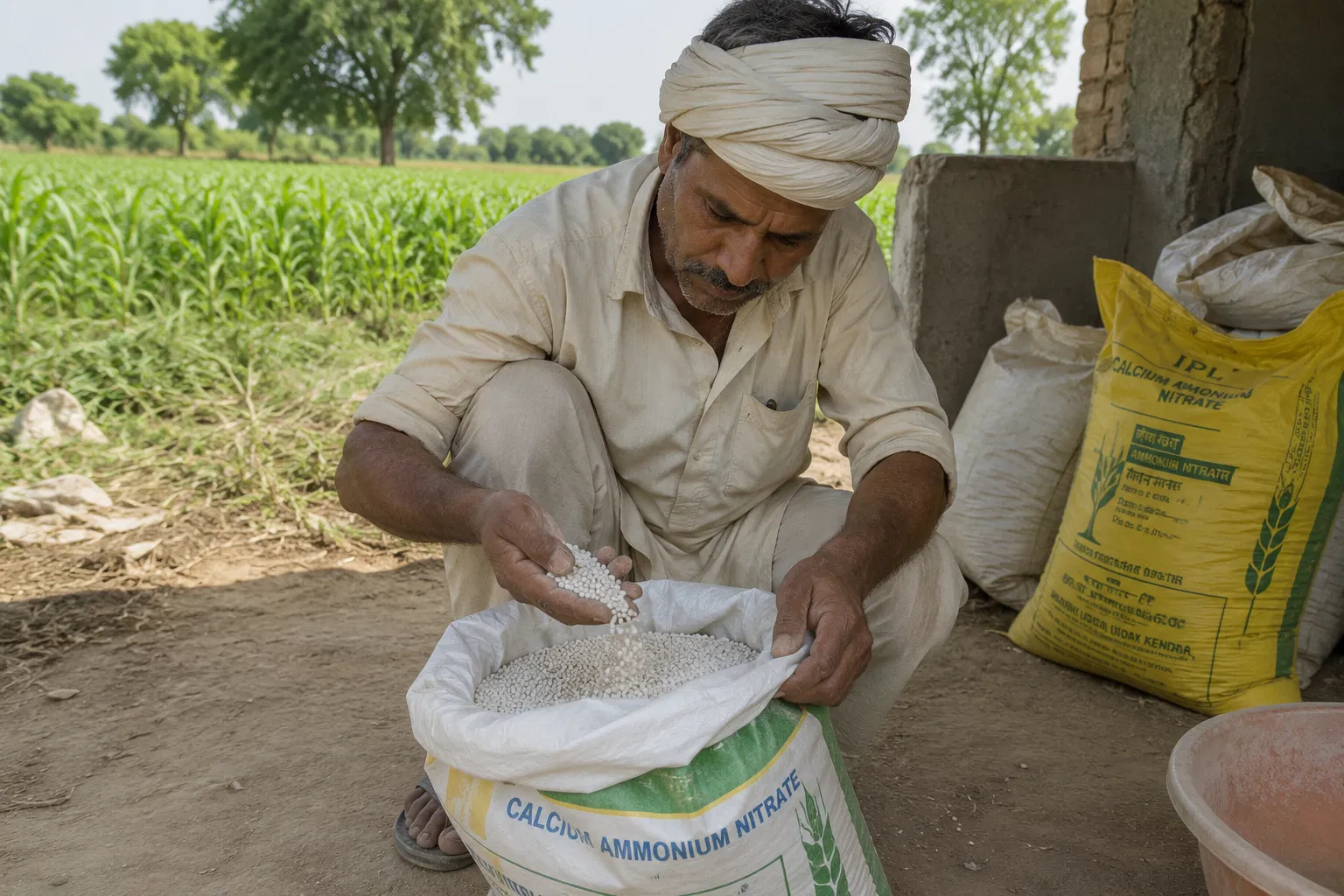
CAN fertilizer, short for calcium ammonium nitrate, is a powerful nitrogen source that helps crops grow strong and productive. But like any agricultural input, it must be stored and handled correctly to protect people, crops, equipment, and the environment. Safe CAN fertilizer storage is not just a best practice—it is essential for maintaining product quality and reducing risks on the farm.
Whether you are managing a large-scale operation or a small garden supply area, understanding how to handle CAN fertilizer safely can help prevent moisture damage, contamination, spills, and unnecessary losses. The good news is that safe storage and handling are straightforward when you follow a few key rules.
Why Safe CAN Fertilizer Storage Matters
CAN fertilizer is designed to deliver reliable nutrition, but improper storage can reduce its effectiveness and create hazards. Moisture is one of the biggest threats. When CAN absorbs water from the air, it can harden, clump, and become difficult to spread evenly. This can lead to poor application and uneven crop results.
Storage mistakes can also increase the risk of contamination. CAN should never be kept near fuels, oils, pesticides, or other incompatible materials. Clean, organized storage protects both the product and the people handling it.
Safe handling starts with prevention: keep CAN dry, clean, labeled, and separated from incompatible substances.
Best Practices for Storing CAN Fertilizer
1. Keep the Storage Area Dry
Moisture control is the most important part of CAN fertilizer storage. Store bags or bulk material in a dry, well-ventilated building protected from rain, leaks, and condensation. Avoid areas with high humidity whenever possible.
If you are storing bagged CAN fertilizer, place it on pallets rather than directly on the floor. This improves air circulation and reduces the chance of moisture absorption from concrete surfaces.
2. Protect Against Direct Sunlight and Heat
CAN fertilizer should be stored in a cool location away from direct sunlight and excessive heat. While CAN is generally stable when stored properly, heat can contribute to product deterioration and packaging damage over time. A shaded, enclosed storage area is ideal.
3. Separate from Incompatible Materials
Never store CAN fertilizer near combustible materials, fuels, lubricants, herbicides, pesticides, or other chemicals that could contaminate the product or create a dangerous situation. Good fertilizer warehouse safety depends on clear separation and proper labeling.
Use designated storage zones and maintain clear aisles so that materials do not get mixed accidentally.
4. Stack Bags Correctly
When stacking CAN fertilizer bags, avoid creating unstable piles. Follow manufacturer recommendations for stack height and always keep stacks neat and even. Overstacking can damage packaging, compress product, and make handling more difficult.
Leave enough space between stacks and walls for inspection, airflow, and pest control.
5. Use First-In, First-Out Rotation
To maintain product quality, use a first-in, first-out system. This means the oldest fertilizer is used first, reducing the chance of long-term storage problems. Label incoming stock clearly with delivery dates and inspect inventory regularly.
How to Handle CAN Fertilizer Safely
Wear Proper Personal Protective Equipment
Anyone handling CAN fertilizer should wear suitable personal protective equipment, especially when loading, unloading, or spreading large quantities. Basic protection may include:
- Gloves
- Safety glasses
- Long sleeves
- Dust mask if dust is present
- Sturdy work boots
Although CAN is not highly hazardous under normal conditions, PPE helps reduce irritation and protects workers from accidental exposure.
Avoid Creating Dust
When moving or transferring CAN fertilizer, handle it carefully to minimize dust. Dust can be irritating to the eyes, nose, and skin, and it can also create cleanup issues in storage areas. Use gentle pouring techniques and keep containers closed when not in use.
Use Clean Equipment
Always use clean tools, loaders, spreaders, and conveyors when handling CAN fertilizer. Residue from other products may contaminate the fertilizer or affect how it flows. Clean equipment also reduces the risk of blockages and inconsistent application.
Train Workers on Safe Handling Procedures
Training is one of the most effective ways to improve CAN fertilizer handling safety. Workers should understand how to lift bags properly, recognize signs of product damage, report spills, and follow storage rules. Clear instructions reduce mistakes and improve workplace safety.
Transporting CAN Fertilizer Safely
Safe handling does not stop at the storage room. Transporting CAN fertilizer requires the same attention to cleanliness, stability, and separation. Bags should be secured during movement to prevent tipping or tearing. Bulk loads should be covered and protected from moisture during transit.
Use vehicles and trailers that are clean, dry, and free from chemical residue. Avoid transporting CAN fertilizer with fuels or other hazardous materials unless regulations and compatibility guidelines allow it. Keeping loads organized helps prevent spillage and contamination.
What to Do if CAN Fertilizer Gets Wet
If CAN fertilizer is exposed to moisture, act quickly. Move the affected material to a dry area if possible and inspect the extent of the damage. Slight surface dampness may not ruin the product, but significant wetting can cause clumping or hardening.
Do not try to force hardened fertilizer through application equipment. This can damage machinery and result in uneven spreading. If product quality is compromised, follow supplier guidance or local disposal requirements.
Spill Cleanup and Emergency Response
Even with careful handling, spills can happen. The key is to respond calmly and efficiently. Stop the source of the spill if it is safe to do so, and keep the area clear of unnecessary traffic.
For dry CAN fertilizer spills:
- Use clean tools to collect the material
- Avoid mixing it with soil, fuel, or other chemicals
- Return clean product to storage if it has not been contaminated
- Dispose of contaminated material according to local regulations
For larger spills, follow site safety procedures and notify the appropriate personnel immediately. Good fertilizer spill cleanup practices help protect workers and the surrounding environment.
Environmental Considerations
Safe CAN fertilizer storage also supports environmental protection. Preventing runoff, leaks, and contamination helps keep fertilizer out of drains, waterways, and soil areas where it is not needed. Store products in sealed conditions and inspect the storage site regularly for signs of damage or water intrusion.
Keeping fertilizer contained also supports responsible nutrient management. When CAN is protected from moisture and contamination, it remains effective and easier to apply accurately, reducing waste and supporting better crop nutrition.
Signs Your CAN Fertilizer Storage Needs Improvement
If your storage area has any of the following issues, it may be time to improve your system:
- Visible dampness or leaks
- Hardened or clumped fertilizer
- Strong chemical odors from nearby materials
- Damaged or torn packaging
- Poor ventilation
- Disorganized stacks or blocked aisles
- Missing labels or inventory records
Addressing these problems early helps prevent bigger losses and keeps your fertilizer inventory in usable condition.
Final Thoughts on CAN Fertilizer Safety
Storing and handling CAN fertilizer safely is simple when you focus on the essentials: keep it dry, keep it clean, keep it separated, and keep it organized. These basic habits protect product quality, reduce workplace risks, and support better crop results.
By following proper CAN fertilizer storage and handling practices, you can avoid waste, improve safety, and make sure every application delivers the results you expect. Review your current storage setup today, identify any weak points, and put better systems in place before the next shipment arrives.