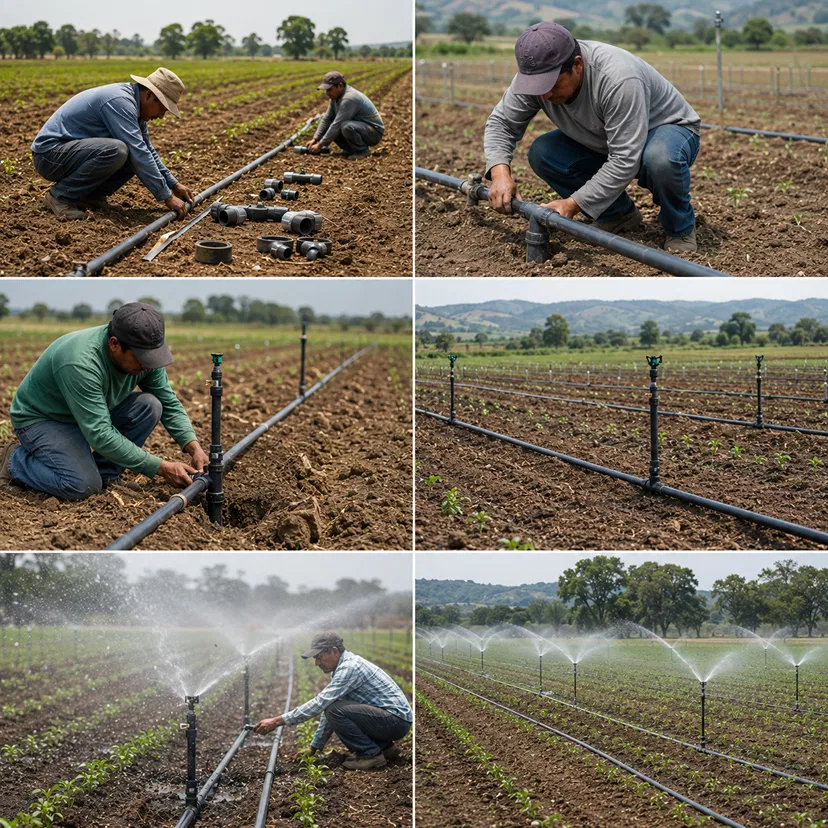
A well-designed sprinkler system does more than keep grass green—it delivers even coverage, conserves water, and prevents dry spots, runoff, and wasted pressure. If you’re planning an irrigation layout, two factors matter most from the start: sprinkler spacing and water pressure. Get these right, and your system works efficiently. Get them wrong, and even the best sprinkler heads will struggle.
This guide breaks down the essentials of sprinkler system design in a simple, practical way. Whether you’re installing a new irrigation system or improving an existing one, understanding spacing and pressure basics will help you build a smarter, more reliable setup.
Why Sprinkler System Design Matters
Sprinkler system design is not just about placing heads around a yard. It is about matching the right spray pattern, nozzle type, spacing, and pressure to the landscape. Proper design helps ensure every area receives consistent water coverage without overwatering or underwatering certain sections.
Good design also helps with:
- Water efficiency
- Healthier turf and plants
- Lower utility costs
- Reduced maintenance
- Less overspray onto sidewalks, driveways, and buildings
In short, smart sprinkler layout saves time, money, and water.
Understanding Sprinkler Spacing
Sprinkler spacing refers to the distance between sprinkler heads. The goal is to create even overlap so water is distributed uniformly across the lawn or planting area. In professional irrigation design, this is often called head-to-head coverage.
Head-to-head coverage means each sprinkler throws water far enough to reach the next sprinkler head. This overlap helps prevent dry strips between heads and improves overall uniformity.
Common Spacing Rules
While spacing depends on nozzle type, pressure, and spray radius, there are a few common guidelines:
- Spray heads are typically spaced around 8 to 15 feet apart.
- Rotor heads often cover larger areas and may be spaced 15 to 35 feet apart.
- Head-to-head spacing is the safest rule for consistent coverage.
Always follow the manufacturer’s recommended throw radius and spacing chart. These charts are based on actual performance, not just theoretical range.
Why Overlap Is Important
Sprinkler water does not fall in a perfect circle. Wind, pressure variation, slope, and nozzle performance all affect distribution. Overlap helps balance these inconsistencies.
Rule of thumb: A sprinkler system should be designed so each head reaches the next head’s location for even coverage across the zone.
Without enough overlap, you may notice brown patches, uneven growth, or parts of the yard that stay too dry. Too much overlap, on the other hand, can cause oversaturation and runoff.
The Role of Water Pressure in Sprinkler Design
Water pressure is one of the most important factors in sprinkler system performance. Pressure affects how far water travels, how evenly it sprays, and whether the heads operate as intended.
If pressure is too low, sprinkler heads may not pop up correctly or may fail to reach their designed radius. If pressure is too high, the spray can mist, drift, and waste water while reducing uniformity.
Ideal Pressure Range
Most sprinkler heads are designed to operate within a specific pressure range. As a general guideline:
- Spray heads often perform best around 30 PSI
- Rotor heads commonly work well around 35 to 45 PSI
- Drip irrigation usually requires much lower pressure, often around 20 PSI or less with regulation
Always check the specifications for the exact heads you are using, because pressure requirements vary by brand and model.
What Happens When Pressure Is Wrong
Incorrect pressure can create several problems:
- Low pressure: Short throw distance, poor head rotation, uneven watering
- High pressure: Fogging, misting, overspray, faster wear on components
- Pressure imbalance: Some heads may perform differently than others in the same zone
Pressure regulation is often necessary to keep every sprinkler head working within its intended range. This can be done with pressure-regulating heads, inline regulators, or zone-specific adjustments.
How Spacing and Pressure Work Together
Spacing and pressure are closely connected. A sprinkler head’s throw distance depends on pressure, so if pressure changes, spacing may need to change too.
For example, if heads are spaced based on a 25-foot throw radius but actual pressure only allows 20 feet, the system will leave dry gaps. On the other hand, if pressure is too high, the throw radius may exceed the design and create wasteful overspray.
That is why sprinkler design should never treat spacing and pressure as separate decisions. They must be planned together for proper irrigation performance.
Practical Design Tips
- Measure the water pressure first. Test static and dynamic pressure before choosing sprinkler heads.
- Match the head type to the zone size. Use spray heads for smaller areas and rotors for larger spaces.
- Follow head-to-head spacing. Design for full overlap instead of maximum possible distance.
- Use matched precipitation rates. Choose heads and nozzles that apply water at similar rates within the same zone.
- Adjust for slopes and wind. Real-world conditions can affect distribution and may require closer spacing.
Key Factors That Affect Sprinkler Spacing
Several site conditions influence spacing decisions. A good irrigation layout takes all of them into account.
1. Landscape Shape
Long, narrow strips often need different head placement than wide open lawns. Corners, curves, and irregular edges may require additional heads to eliminate dry areas.
2. Soil Type
Sandy soil absorbs water quickly, while clay soil absorbs more slowly. Although soil type does not directly change spacing, it affects how water should be applied. In some cases, closer spacing helps reduce missed spots and improve distribution.
3. Slope
On sloped ground, water can run off before it absorbs. More strategic spacing and shorter watering cycles may be needed to improve efficiency.
4. Wind Exposure
Wind can move spray off target, especially with smaller spray nozzles. Areas exposed to wind may benefit from more careful spacing and lower-trajectory nozzles.
How to Check and Adjust Water Pressure
Before finalizing a sprinkler system, measure water pressure with a gauge. It is important to test both static pressure and dynamic pressure.
- Static pressure is the pressure when no water is flowing.
- Dynamic pressure is the pressure while the system is operating.
Dynamic pressure is the more useful measurement for sprinkler design because it shows how the system performs under real conditions.
If pressure is too high, consider using a pressure regulator. If it is too low, you may need to divide the system into smaller zones, use more efficient heads, or improve supply lines.
Common Sprinkler Design Mistakes to Avoid
Even simple systems can run into trouble if spacing and pressure are overlooked. Avoid these common mistakes:
- Placing heads too far apart
- Ignoring manufacturer pressure ratings
- Mixing different precipitation rates in the same zone
- Using spray heads where rotors are more appropriate
- Failing to test actual water pressure before installation
- Overlooking slopes, wind, and irregular landscaping
These mistakes can lead to uneven watering, wasted water, and poor plant health.
Final Thoughts on Sprinkler System Design
Effective sprinkler system design starts with the basics: correct spacing and proper pressure. When sprinkler heads are placed with head-to-head coverage and matched to the right operating pressure, the result is a system that waters evenly, conserves resources, and performs reliably season after season.
If you are designing or upgrading an irrigation system, take the time to test pressure, choose the right head type, and map out spacing carefully. A thoughtful layout today will save water, reduce repairs, and keep your landscape healthier in the long run.
Need the best results? Build your sprinkler system around spacing and pressure first, and everything else becomes easier to manage.